
Expanding Biodiesel Access in Great Lakes Shipping
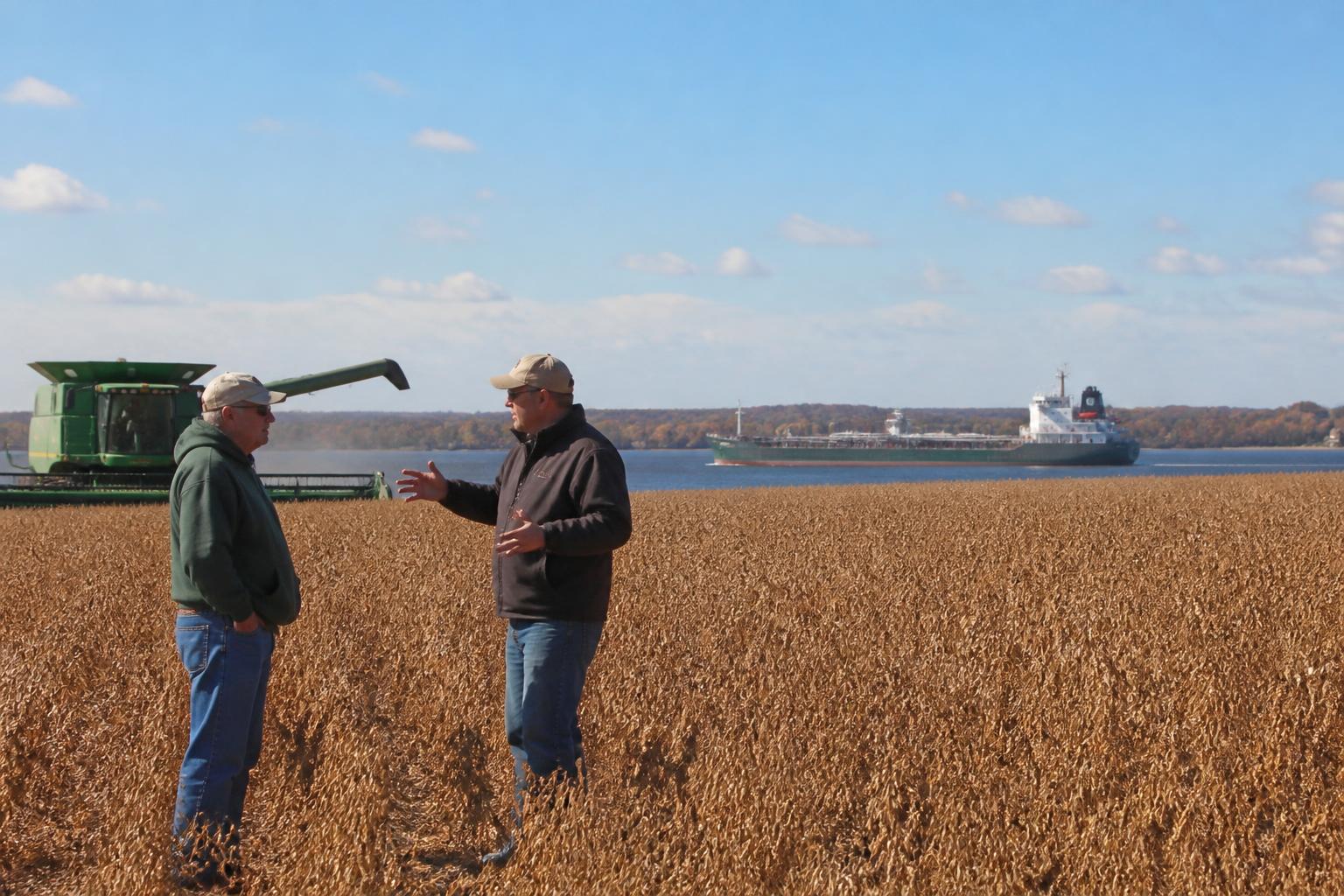
The maritime sector is showing renewed interest in alternative fuel sources, with new initiatives aimed at connecting shipping vessels directly with renewable fuel suppliers. As the industry explores ways to lower carbon footprints, biodiesel is emerging as a critical component, with potential demand reaching hundreds of thousands of gallons. For soybean producers, this represents a shifting landscape in domestic fuel demand that could eventually influence regional logistics and supply chains.
By creating structured mapping tools, industry alliances are helping facilitate a more efficient connection between agricultural suppliers and the maritime vessels that traverse the Great Lakes. This shift towards renewable energy integration may provide a more stable, local end-market for soybean-based biodiesel, helping to smooth out some of the traditional price volatility seen in global energy markets.
Navigating Logistical Bottlenecks in Grain Transport
While regional efforts to boost renewable fuel usage are gaining traction, the broader U.S. shipping sector remains sensitive to environmental disruptions. Recent droughts in international transit corridors, such as those impacting Northern Arc ports, serve as a stark reminder of how climate-driven water levels can impede global grain movement. These bottlenecks often force stakeholders to reassess current freight rate trends and adjust their transit strategies to ensure commodities reach export terminals on schedule.
Furthermore, managing the intersection of local harvest timing and international logistical delays is a perennial challenge for grain handlers. As highlighted in recent reports on optimizing regional grain movement, the ability to pivot between rail, truck, and maritime shipping is essential when one mode of transport faces capacity constraints or infrastructure hurdles.
What it means for the market
For farmers and elevator operators, these developments highlight a dual reality: while global transit remains vulnerable to environmental conditions, the rise of domestic biodiesel demand offers a long-term buffer. Diversifying delivery options, from traditional export routes to emerging regional renewable fuel suppliers, will be key to managing transport risk through the winter season and beyond.
Comments
No comments yet - be the first to share your take.