
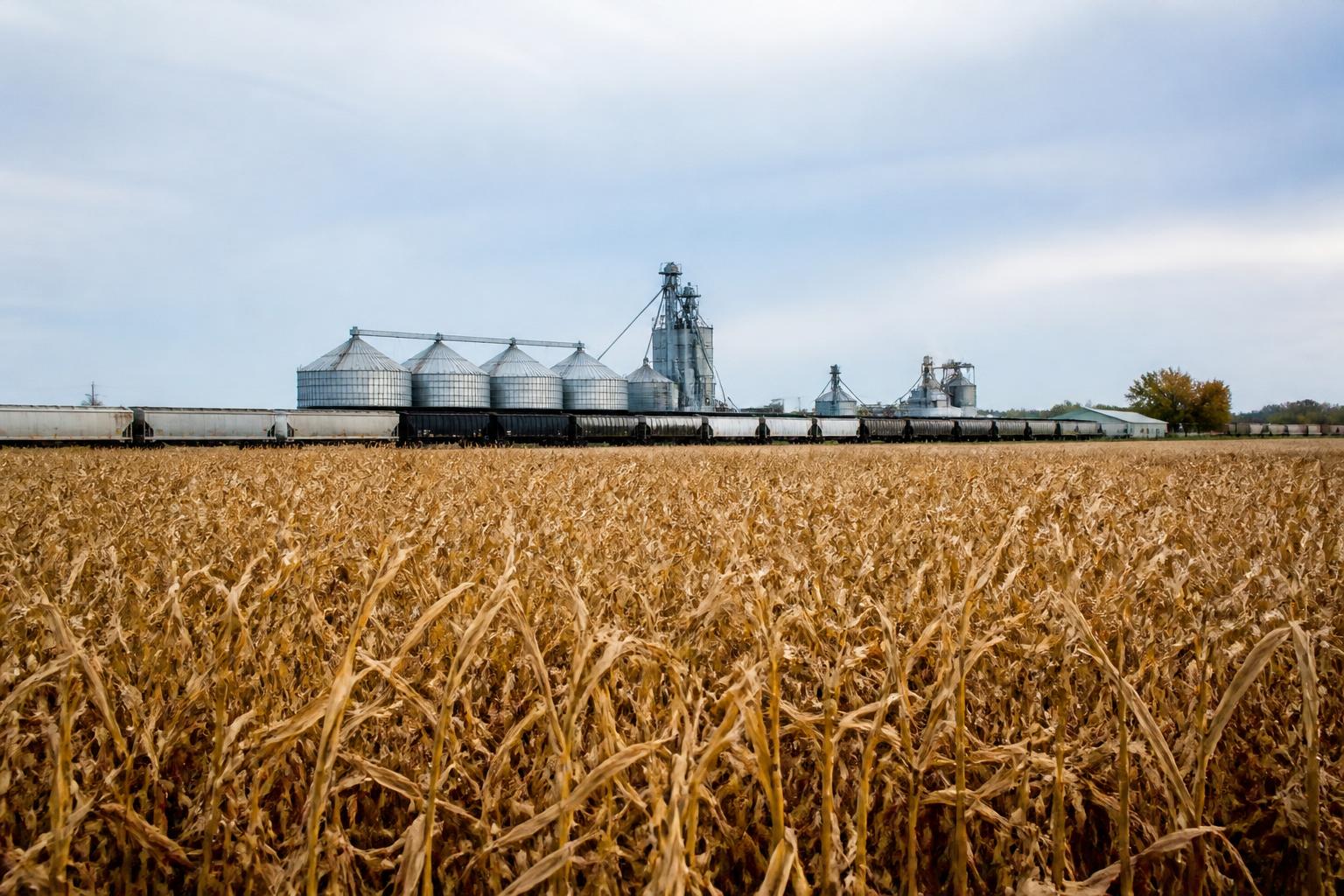
Rising Rail Costs and Infrastructure Constraints
As the fall harvest continues to move through major shipping corridors, grain handlers and producers are navigating a more complex logistics environment. Recent industry reports indicate that rail fuel surcharges for grain shipments have reached record highs. These increased costs, which are typically passed down through the supply chain, can create immediate margin pressures for those looking to move commodities to export terminals or domestic processing facilities. For many operators, these surcharges represent a significant shift in the cost of doing business during a critical time of year.
Barge Fleet Contraction Strains Export Capacity
Beyond rail, the inland waterway system faces its own set of challenges. An aging and shrinking inland barge fleet is becoming a focal point for logistics planners. With replacement costs for new equipment reaching high levels, the industry may see reduced capacity or slower turnaround times. This potential bottleneck, as discussed in our recent look at maritime logistics and renewable fuels, could eventually impact grain basis levels in regions heavily reliant on river transit for export accessibility.
The current state of U.S. ag logistics mirrors broader global shifts, where managing infrastructure and late-season market adjustments are becoming essential survival skills for agribusinesses. While market demand for corn and soybeans remains steady, the ability to deliver product efficiently is now as much a factor as the commodity price itself. For a wider look at how these logistical trends are evolving, you can review our insights on how freight rates fluctuate during peak harvest.
Key Takeaways
- Rail fuel surcharges have seen a significant, record-breaking increase, impacting the landed cost of grain.
- The inland barge fleet is tightening due to aging vessels and elevated replacement capital requirements.
- Logistics costs are exerting upward pressure on the supply chain, potentially affecting local grain basis.
What it means for the market
For grain elevators and producers, these transport hurdles suggest that logistics planning should be prioritized early in the season. As transport costs remain volatile, maintaining flexibility in your shipping strategy and monitoring regional freight availability may help mitigate the impact of rising surcharges and potential barge shortages on your bottom line.
Comments
No comments yet - be the first to share your take.