
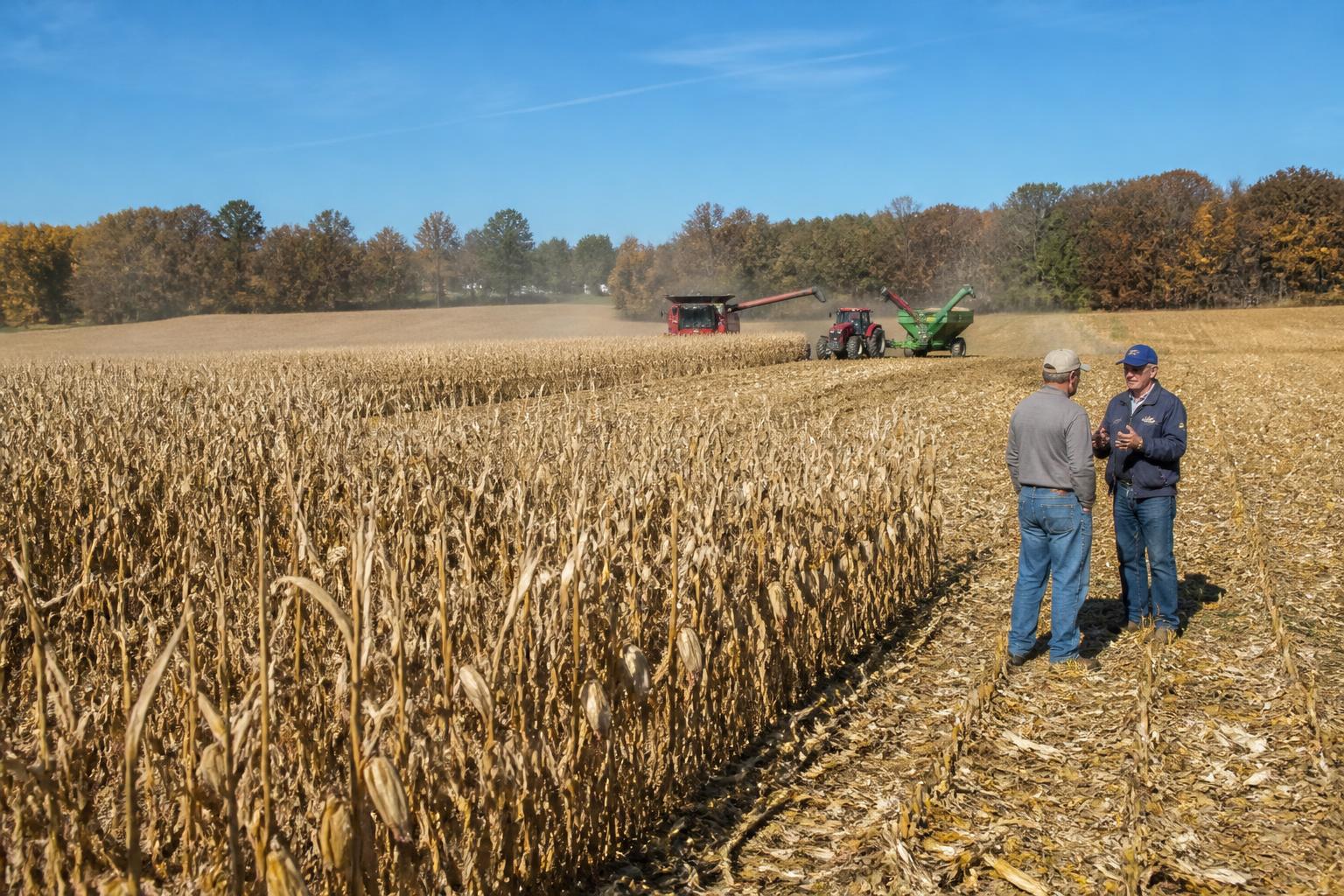
As Washington growers wrap up fall harvest operations, the focus is shifting toward navigating a complex combination of regulatory uncertainty and localized supply chain pressures. Producers across the state are currently balancing the realities of a changing political landscape in Washington D.C., where recent election results have introduced new questions regarding the trajectory of pending farm bill negotiations and long-term federal support structures.
Logistical efficiency remains a top priority for agribusinesses, particularly as the industry continues to push for stability in port operations. Recent efforts by various trade coalitions to address ongoing cost burdens, such as the push for the permanent suspension of certain port fees, underscore the urgency of keeping transit routes competitive for regional exports. For many, maintaining reliable access to key maritime and inland transport hubs is essential for managing the flow of commodities during this final stretch of the year.
Input Markets and Operational Costs
Beyond logistics, producers are keeping a close watch on the volatility of input markets. Reports of rising fertilizer prices amid tightening local supplies continue to influence on-farm budget planning. While growers often look to mitigate these costs through early procurement or strategic storage, the current environment requires a disciplined approach to cash flow management until market conditions stabilize heading into the winter months.
What it means for the market
For farmers and handlers, the intersection of federal policy, logistics, and input costs highlights the need for operational agility. As the industry settles into the post-harvest period, producers should remain cautious regarding overhead expenditures while maintaining a strong pulse on both regional transport capacity and national policy developments that could impact farm-gate returns in the coming season.
Comments
No comments yet - be the first to share your take.