
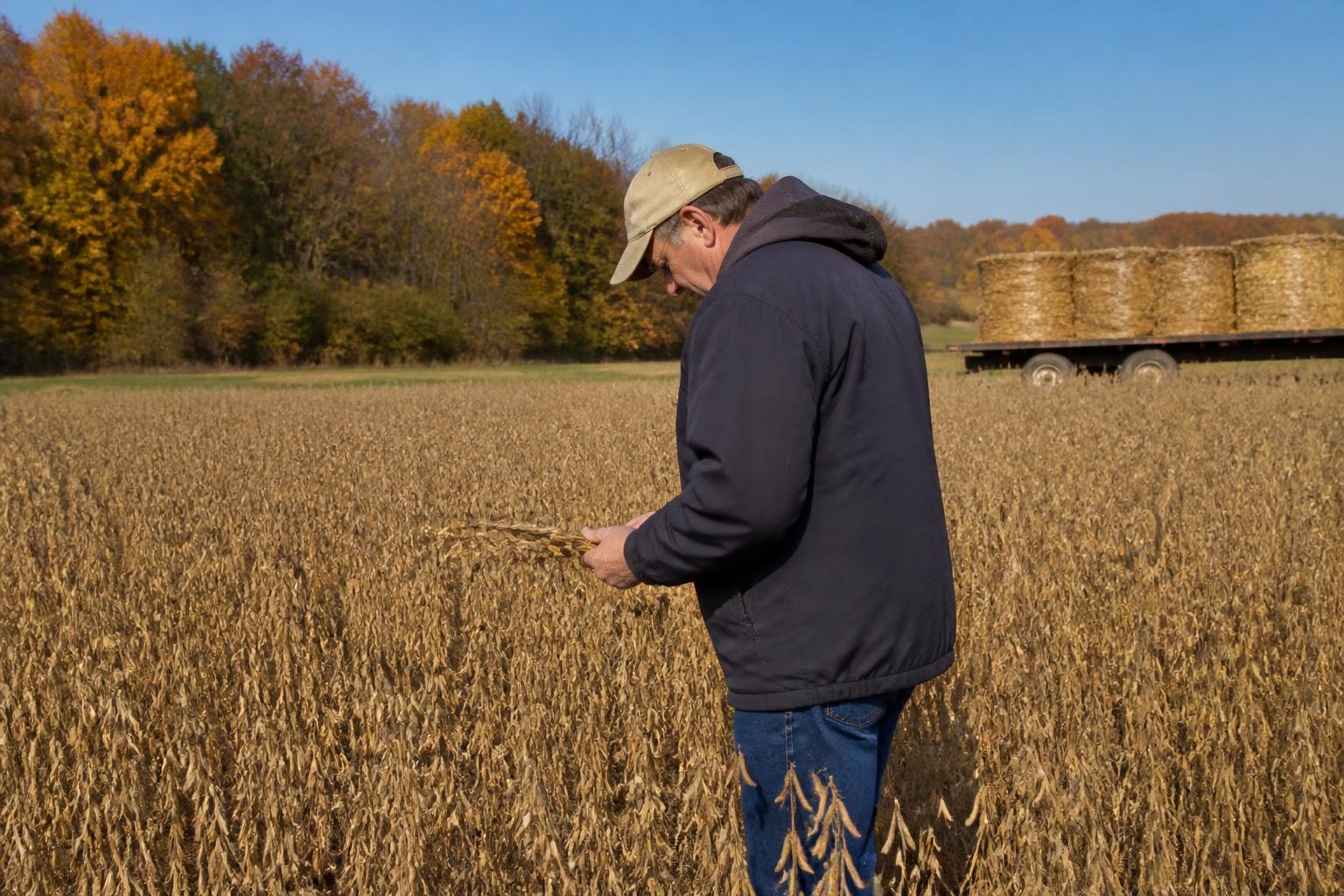
With the Iowa harvest crossing its final hurdles, many producers are reflecting on a season characterized by both high production potential and persistent environmental variables. While the overall mood in the countryside remains anchored by the promise of strong yields, the reality of recent weather patterns has introduced distinct challenges that require careful post-harvest management and field observation.
For those still pulling equipment out of the shed to finish remaining corn acres, vigilance remains a priority. Recent moisture cycles have, in some instances, extended the window of concern for crop quality and soil compaction. Managing late-season crop health is not merely about logistics; it is an essential component of protecting the investment put into the ground earlier this year.
Addressing Moisture and Disease in Final Fields
The convergence of humidity and cooler temperatures can create an environment where disease pressure lingers even as the calendar turns toward winter. In many regions, agronomists have highlighted that the impact of weather-related stress—ranging from hail damage earlier in the year to excess moisture—can manifest as lodging risks or compromised grain quality. Taking the time to assess field conditions before heavy machinery traverses soft ground is a critical step in preserving yield potential for the upcoming season.
Strategic Planning for Next Season
As the combines are cleaned and stored, the focus for many Iowa agribusinesses and farmers shifts toward long-term field maintenance and input planning. Collaborations between local research institutions and private industry continue to play a pivotal role in refining how producers approach these ongoing protection challenges. Integrating effective logistical and field protection strategies now can often reduce the complexity of next year’s planting cycle, ensuring that conservation efforts and resource management remain aligned with broader economic goals.
What it means for the market
For the Iowa market, the focus on late-season crop protection highlights a shift from intensive production to preservation. As producers balance the final harvest tallies with the need for infrastructure maintenance and disease mitigation, the emphasis remains on high-quality yield retention. Maintaining rigorous standards for grain condition and soil health during this transitional phase is essential for positioning local operations for success in the next market cycle.
Comments
No comments yet - be the first to share your take.