
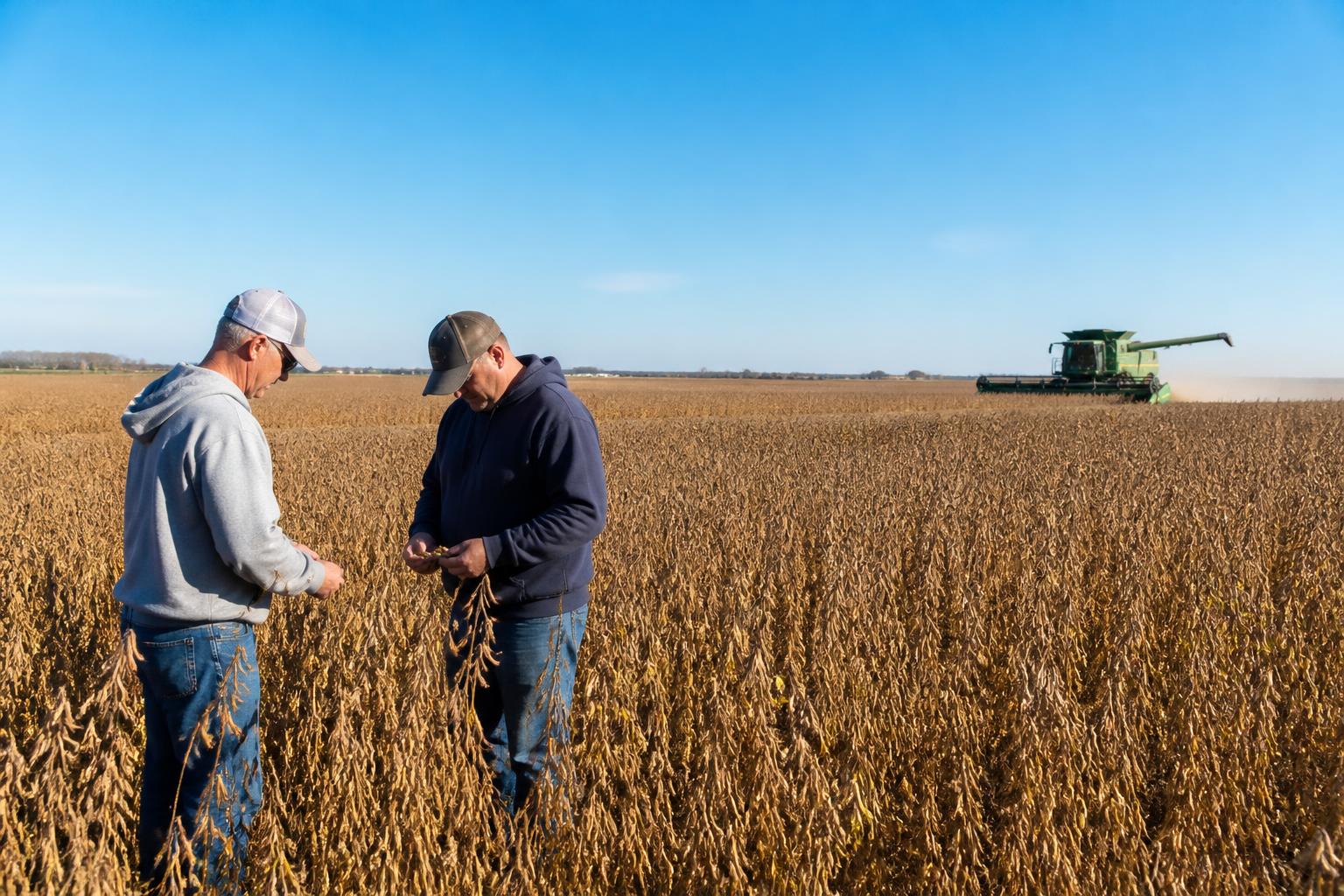
The late-season window across Iowa continues to present a dynamic environment for growers, as warm fall conditions push back some typical timing for nitrogen applications and field preparation. While farmers work to balance these tasks, the primary focus remains on protecting margins against the backdrop of historical price volatility for essential inputs.
Producers are increasingly evaluating their financial exposure for the upcoming season. For those in Northwest Iowa and across the state, strategic procurement and careful monitoring of overhead have become critical components of fall planning. Managing these expenses is a key part of maintaining long-term sustainability, especially as field conditions evolve and logistics demands intensify. The combination of unpredictable weather cycles and market pressures requires a disciplined approach to both soil fertility timing and capital allocation.
Navigating Market and Input Pressures
The broader agricultural landscape remains sensitive to policy shifts regarding transparency in supply chains, particularly regarding fertilizer costs. For Iowa agribusinesses, tracking these shifts is more than a routine task; it is a defensive measure against market instability. Many growers are looking for ways to streamline their operations, ensuring that the necessary nutrients are applied only when field conditions and temperature thresholds align to maximize efficiency.
Logistical Challenges and Field Readiness
While the pace of the harvest can vary due to lingering soil moisture in certain areas of the state, current efforts are centered on optimizing the movement of grain. The interplay between local elevator capacity and the regional transportation network remains a pivotal factor. Producers are encouraged to maintain close communication with grain handlers to stay ahead of potential bottlenecks at the scale, particularly as the season winds down and the race against the cooling calendar accelerates.
Key Takeaways
- Warm weather is allowing for a flexible window in nutrient management, though monitoring soil conditions remains essential.
- Input cost management is a priority, with many farmers taking preemptive steps to secure supplies for the next cycle.
- Logistical coordination with local elevators remains vital as the harvest moves through its final stages.
What it means for the market
For Iowa farmers and industry stakeholders, the current phase of the season is defined by proactive planning. By managing input commitments now and maintaining agility in logistical operations, growers can better position themselves to absorb market volatility. The ability to pivot based on real-time field data and regional supply trends will continue to differentiate outcomes as the state moves deeper into the late-fall window.
Comments
No comments yet - be the first to share your take.