
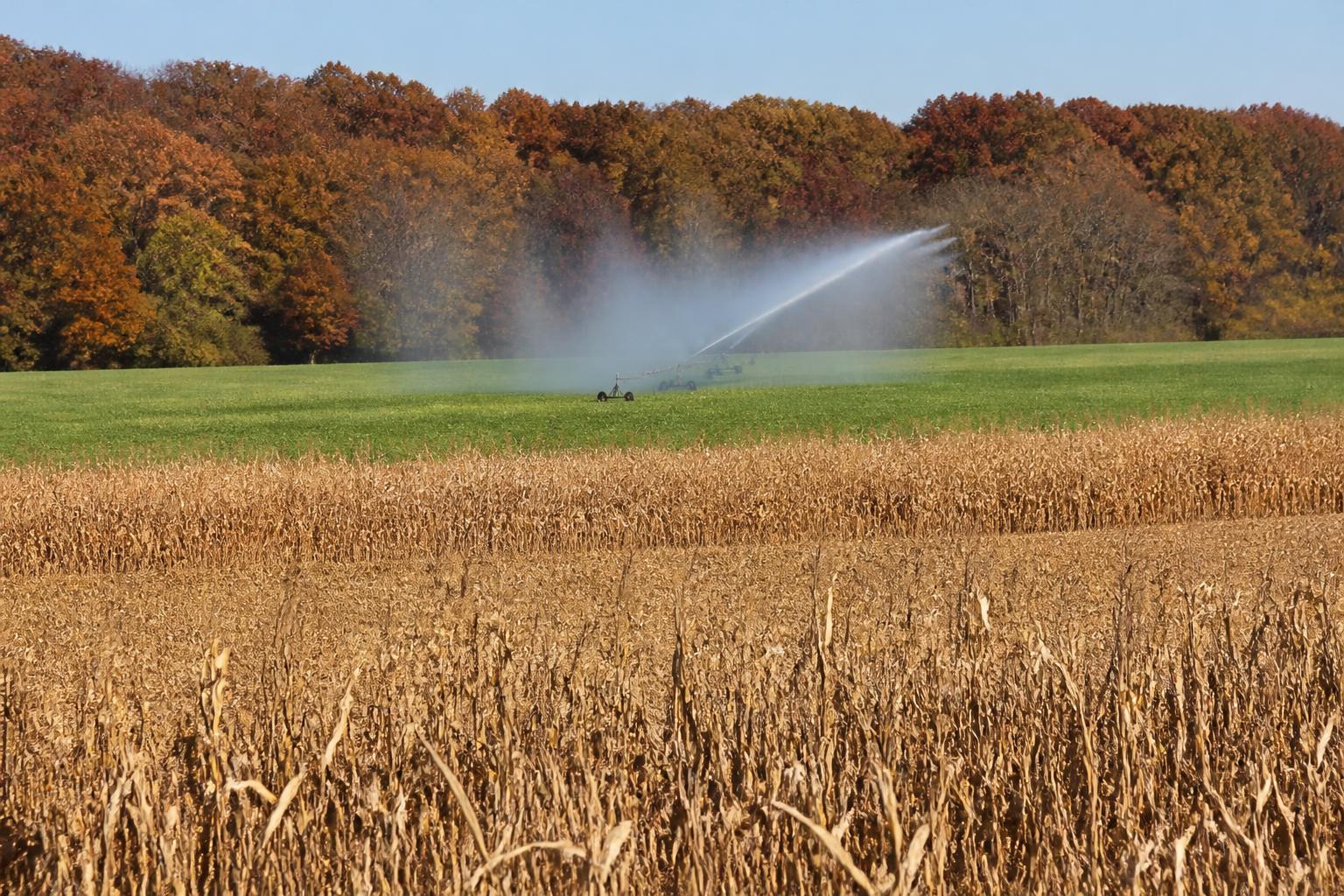
Missouri producers are navigating a complex landscape this fall as harvest operations continue against a backdrop of variable yields and lingering market concerns. For many, the season has been defined by fluctuating conditions that impacted crop development, leading to mixed results in both corn and soybean production across the state.
The challenges of the past growing season, which saw periods of moisture stress, remain at the forefront of farm management decisions. As highlighted in recent analysis regarding balancing yield variability and storage constraints, the emphasis for many Missouri operations has shifted toward managing logistics and maximizing the value of the current crop despite inconsistent output.
Managing Market and Operational Risks
Beyond the field, economic considerations are weighing heavily on agricultural businesses. With reports of a significant portion of the harvest remaining unsold, producers are closely watching for potential shifts in trade policy that could influence future pricing. This uncertainty makes the role of reliable field risk management and market outlook strategies more critical than ever.
Logistical and administrative updates continue to emerge, including recent state-level extensions of agricultural tax credits and regulatory adjustments aimed at supporting local gins and producers. These measures may provide some stability as growers evaluate their long-term position in a tightening input market.
Adapting to Environmental Pressures
The fall has brought its own set of environmental hurdles. From dry conditions impacting winter wheat irrigation to ongoing efforts in crop protection and disease management, the need for precise input application remains vital. Farmers are encouraged to keep a close eye on field-specific data to optimize their resource allocation as they close out the calendar year.
What it means for the market
For Missouri agribusinesses and producers, the current environment necessitates a conservative but proactive stance. With yields showing high variability and market conditions remaining in flux, focusing on storage efficiency, monitoring legislative support, and maintaining rigorous crop protection standards will be essential for protecting margins through the winter months.
Comments
No comments yet - be the first to share your take.