
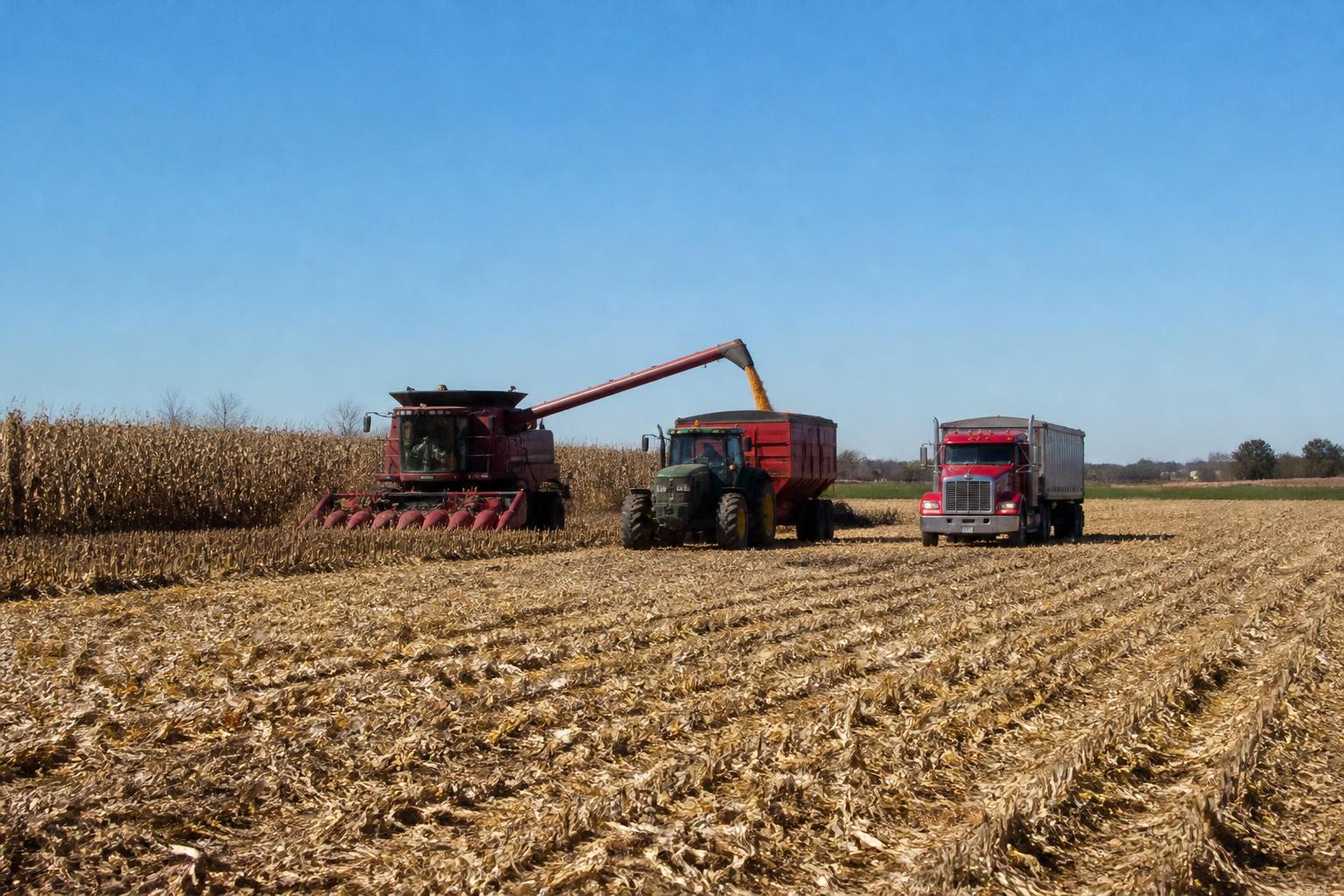
With the fall harvest pushing toward completion, Illinois growers are shifting their focus from the field to logistics and operational management. The season has presented a distinct set of challenges, from variable yield outcomes to the practicalities of moving grain through regional transport corridors.
Ensuring efficient transport during these final weeks of the season is a priority for many producers and haulers. Recent permit availability for harvest operations in Illinois offers a necessary pathway for moving equipment and grain across state roads, helping to alleviate some of the bottlenecks typical during peak transport windows. Producers are encouraged to coordinate closely with local grain elevators to anticipate potential storage throughput, as storage demand remains a persistent factor in managing post-harvest efficiency.
Refining Input and Management Strategies
Beyond the immediate logistics of the harvest, industry activity across the state continues to evolve. New research into production techniques, including on-farm trials supported by commodity associations, aims to address the yield variability observed this year. For many, these results provide a foundational baseline for adjusting fertility and planting plans for the upcoming cycle.
Additionally, the broader Illinois agricultural landscape is seeing shifts in how producers approach risk. With updates to federal farm programs, farmers are balancing the potential for record assistance payments against the evolving requirements for program enrollment. Managing these shifts in market support often requires a diligent approach to grain marketing, as seen in various regional efforts to optimize operation costs against volatile market returns.
Infrastructure and Market Access
The movement of grain is also being influenced by infrastructure developments that expand market reach. As agribusinesses in the state enhance their intake capabilities, producers may find new options for routing their fall harvest. While logistics remain focused on short-term site-to-bin or site-to-elevator hauls, the expansion of regional market access continues to offer long-term benefits for local competitiveness.
What it means for the market
For the Illinois agricultural sector, the coming weeks are about closing the loop on current harvest logistics while preparing for administrative hurdles. Producers should monitor local permit requirements for transport and remain in contact with regional grain handlers regarding capacity. Leveraging current research and adapting to program changes will be essential for maintaining a resilient posture as the industry transitions into the winter months.
Comments
No comments yet - be the first to share your take.