
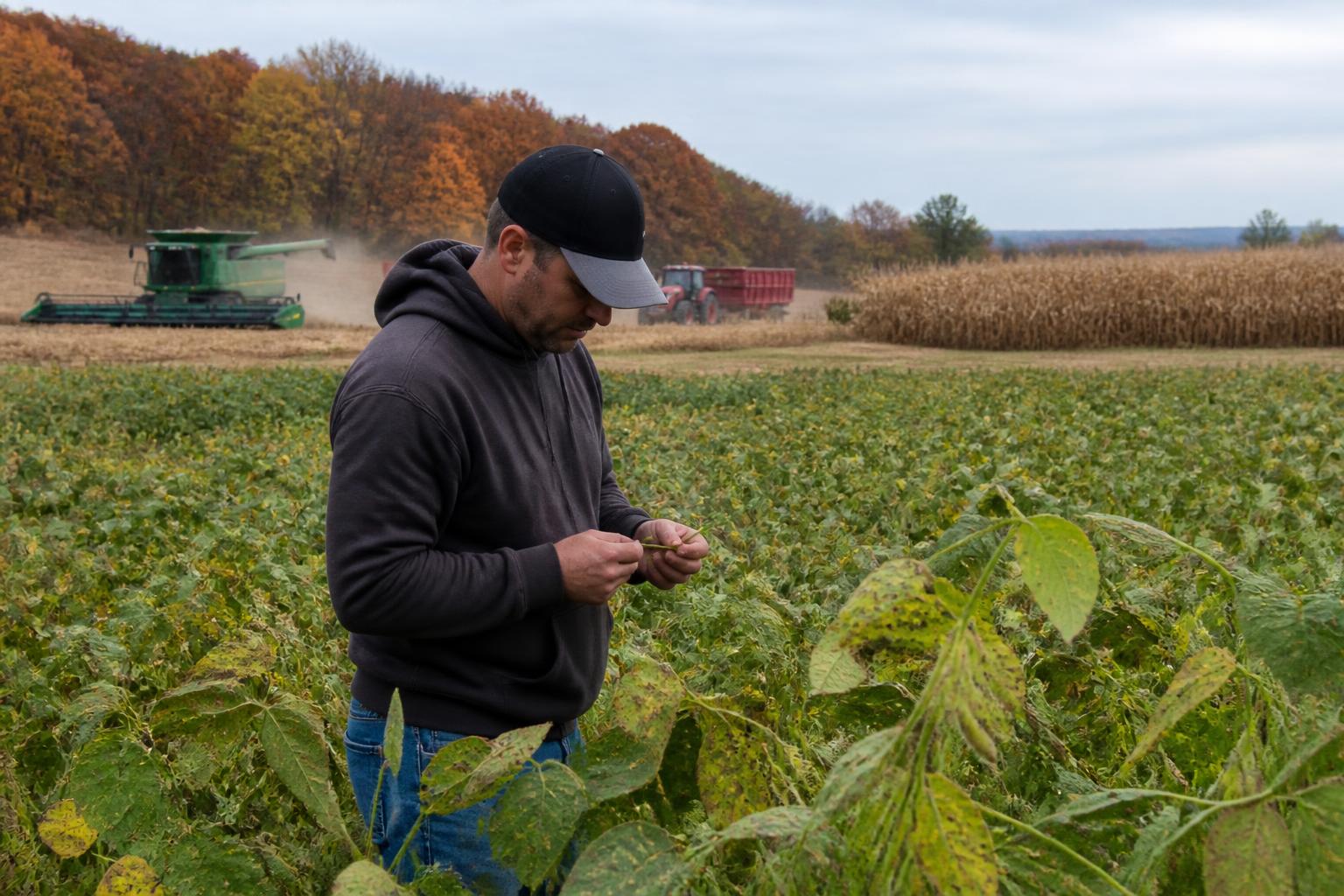
With the Iowa harvest cycle moving into its most active phase, farmers across the state are turning their focus toward field protection and final yield management. While many areas report promising crop health, the late-season landscape presents a nuanced environment for producers navigating both biological threats and broader input market dynamics.
Addressing Emerging Weed Resistance
One of the primary concerns for Iowa growers this fall remains the development of herbicide-resistant weeds. Recent reports indicate that waterhemp has shown signs of resistance to dicamba, complicating traditional management strategies. For farmers in high-pressure regions, this shift necessitates a deeper evaluation of integrated pest management practices for the upcoming season, as relying on single-mode-of-action herbicides may no longer yield the same levels of efficacy.
Pest Pressure and Crop Resilience
Beyond weed control, producers have been keeping a close watch on insect activity. Despite instances of armyworms observed in eastern parts of the state, many fields have demonstrated strong resilience. The ability to monitor and identify these threats early remains a critical component for protecting the bottom line as the crop approaches maturity.
Input Market Considerations
The agricultural sector is also keeping a sharp eye on the consolidation within the inputs market. Concerns from ag groups regarding the potential for monopoly-like conditions in the fertilizer supply chain are prompting many cooperatives and farmers to re-examine their long-term procurement strategies. As logistical windows tighten during the fall, ensuring reliable access to inputs remains as vital as the harvest itself.
What it means for the market
For Iowa agribusinesses and producers, the current environment emphasizes the importance of adaptability. Whether it is responding to shifting weed patterns or navigating volatility in the fertilizer market, proactive planning is essential. As the state moves further into the fall, maintaining a focus on sustainable input use and diversified pest management will likely be the keys to sustaining the strong performance seen in many regions this year.
Comments
No comments yet - be the first to share your take.