
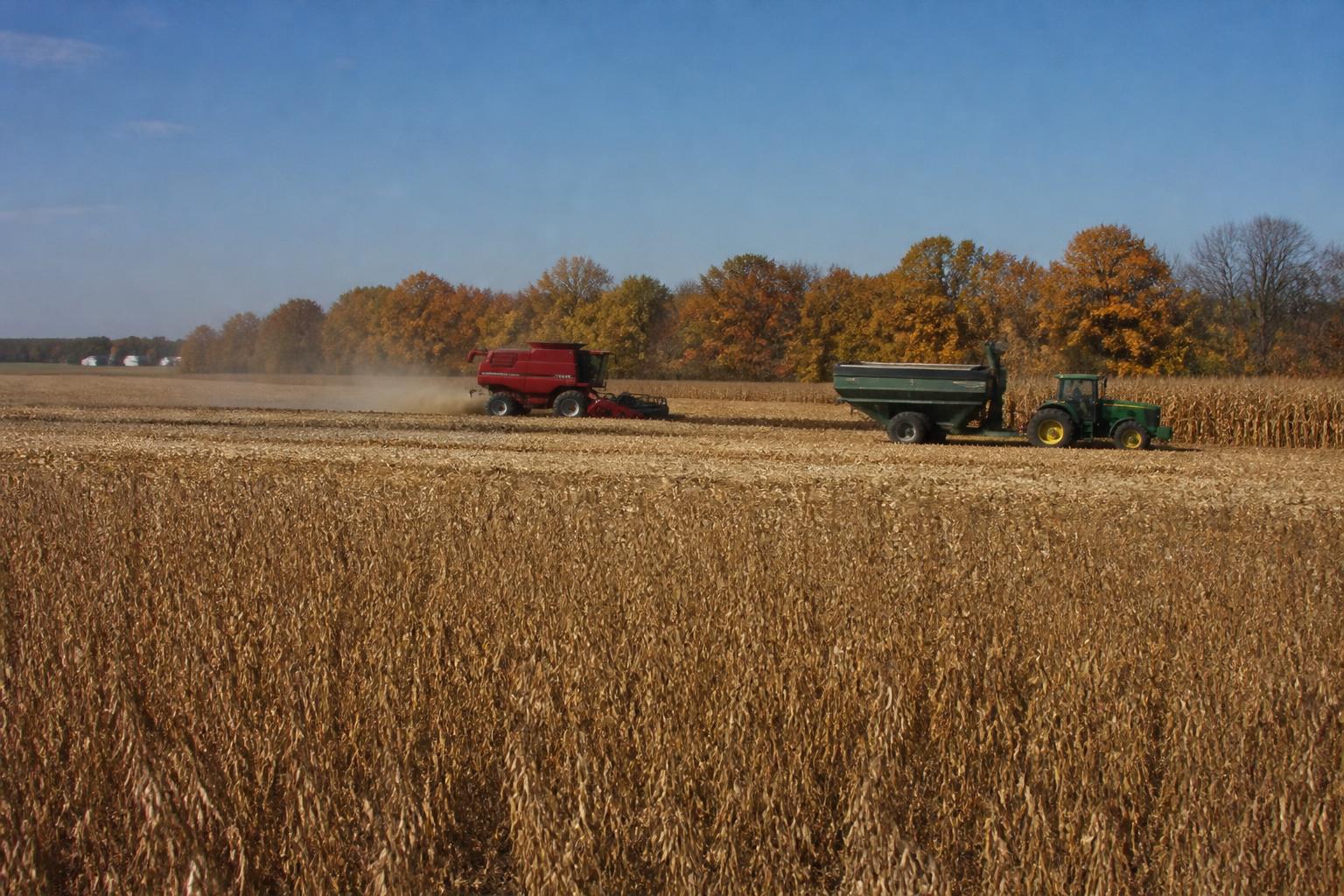
With the harvest season in full swing across Illinois, producers are turning their attention toward both end-of-year financial positioning and strategic field preparations. While the current market has seen recent fluctuations in grain bids for corn, soybeans, and wheat, many operators are evaluating their operational footprint to maintain efficiency heading into the next cycle.
Amidst these broader economic considerations, the focus on sustainable field management is gaining momentum. New state-level initiatives providing incentives for no-till and strip-till practices are now becoming available, offering a potential avenue for farmers to offset some of the persistent input costs that have characterized the current agricultural landscape. These programs often serve as a bridge for growers looking to improve soil health while managing the long-term viability of their harvest and storage requirements.
Managing On-Farm Financial Health
Financial flexibility remains a primary concern for the Illinois agricultural community. Although recent reports suggest a rise in overall farm income, tight cash reserves continue to signal potential headwinds. As growers evaluate their land tenure, it is worth noting that a significant portion of Illinois acreage is leased rather than owned, prompting many to revisit their lease structures to ensure they provide the best balance of risk in an uncertain economy.
For those managing logistical hurdles, including the tightening of fuel supplies and transport availability, the season has been particularly demanding. Navigating these regional pressures requires a keen eye on logistical bottlenecks that can often slow down the movement of grain from rural elevators to major shipping hubs.
What it means for the market
The convergence of available conservation incentives and the need for fiscal discipline suggests a shift toward more cautious, efficiency-driven management strategies. Farmers who can successfully integrate cost-saving tillage practices while maintaining yield potential may find themselves in a stronger position to weather the volatility in cash reserves and fuel pricing currently impacting the broader Illinois agri-food system.
Comments
No comments yet - be the first to share your take.