
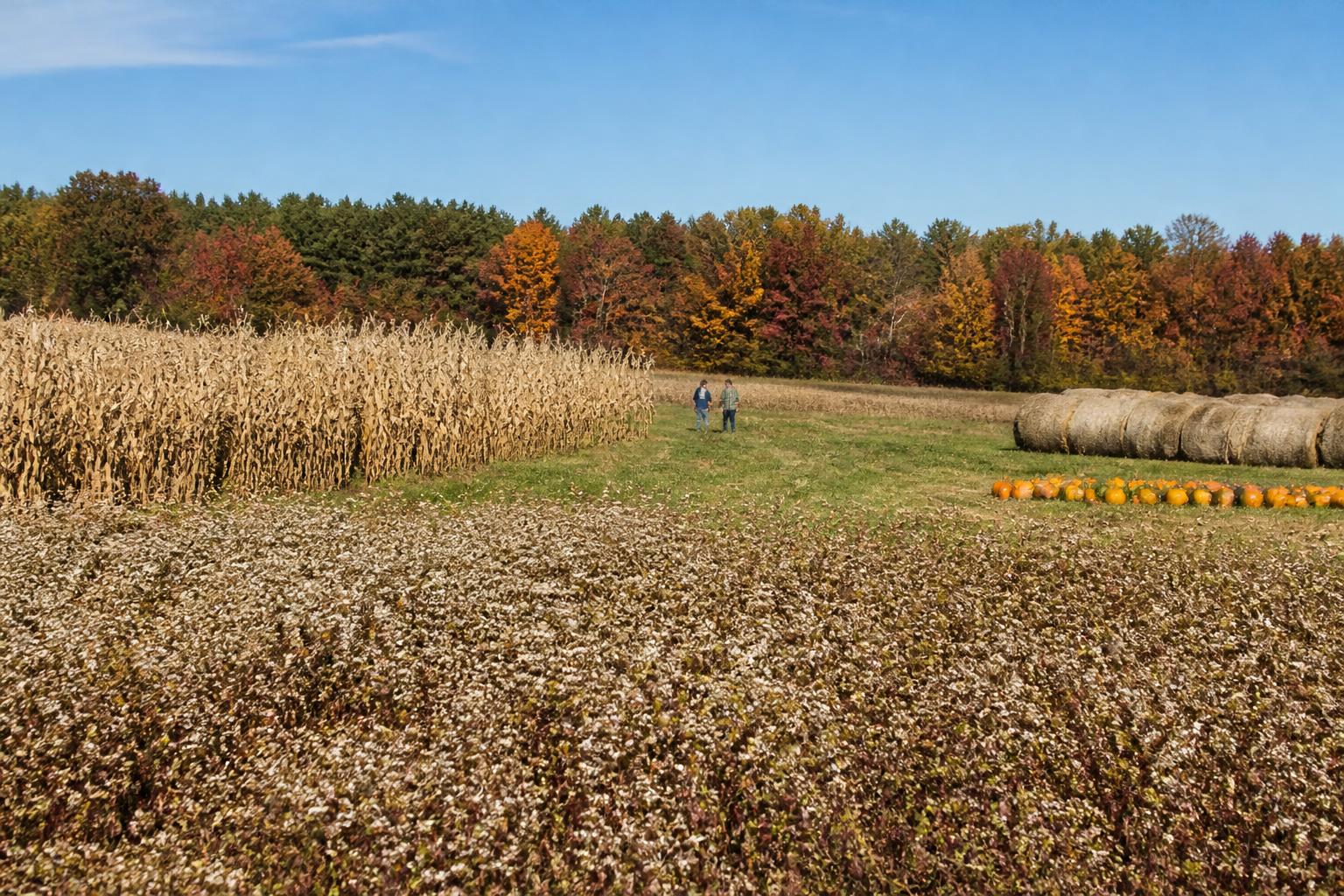
As the autumn harvest window remains in full swing across Michigan, producers are facing a familiar challenge: shifting weather patterns. Recent cooler temperatures are beginning to impact the natural field dry-down process for late-season crops, forcing many grain handlers and farmers to reassess their drying strategies. This seasonal deceleration can tighten the timeline for storage and transport, particularly as elevators manage the influx of incoming grain.
Managing Moisture and Drying Efficiency
With field drying slowing down, energy consumption at the dryer level may become a more critical factor for profitability this month. While high-capacity grain handling systems are designed to manage peak volumes, the increased reliance on artificial drying typically adds significant overhead. For many growers, balancing moisture levels while maintaining flow through local facilities is essential to navigating the operational costs associated with this year's harvest. Ensuring that storage bins are prepared and that moisture testing is consistent remains a top priority to mitigate spoilage risks during the busy fall push.
Logistics and Regional Constraints
Beyond the drying shed, Michigan farmers continue to contend with logistical headwinds that affect transport efficiency. Heavy vehicle weight restrictions often remain a focal point for the industry, as they can complicate the movement of inputs and commodities across rural road networks. Effectively managing these regulatory constraints is vital for maintaining steady movement from the field to local processors, especially in regions where infrastructure bottlenecks occur during peak seasonal movement.
What it means for the market
For the Michigan agribusiness sector, the current environment emphasizes the need for flexible, efficient, and data-driven management. As temperatures remain cool, prioritize early communication with your local elevator regarding moisture requirements and potential delivery windows. Farmers who can optimize their drying energy usage and navigate regional road restrictions effectively are likely to see better margins in what is shaping up to be a demanding late-season operational cycle.
Comments
No comments yet - be the first to share your take.