
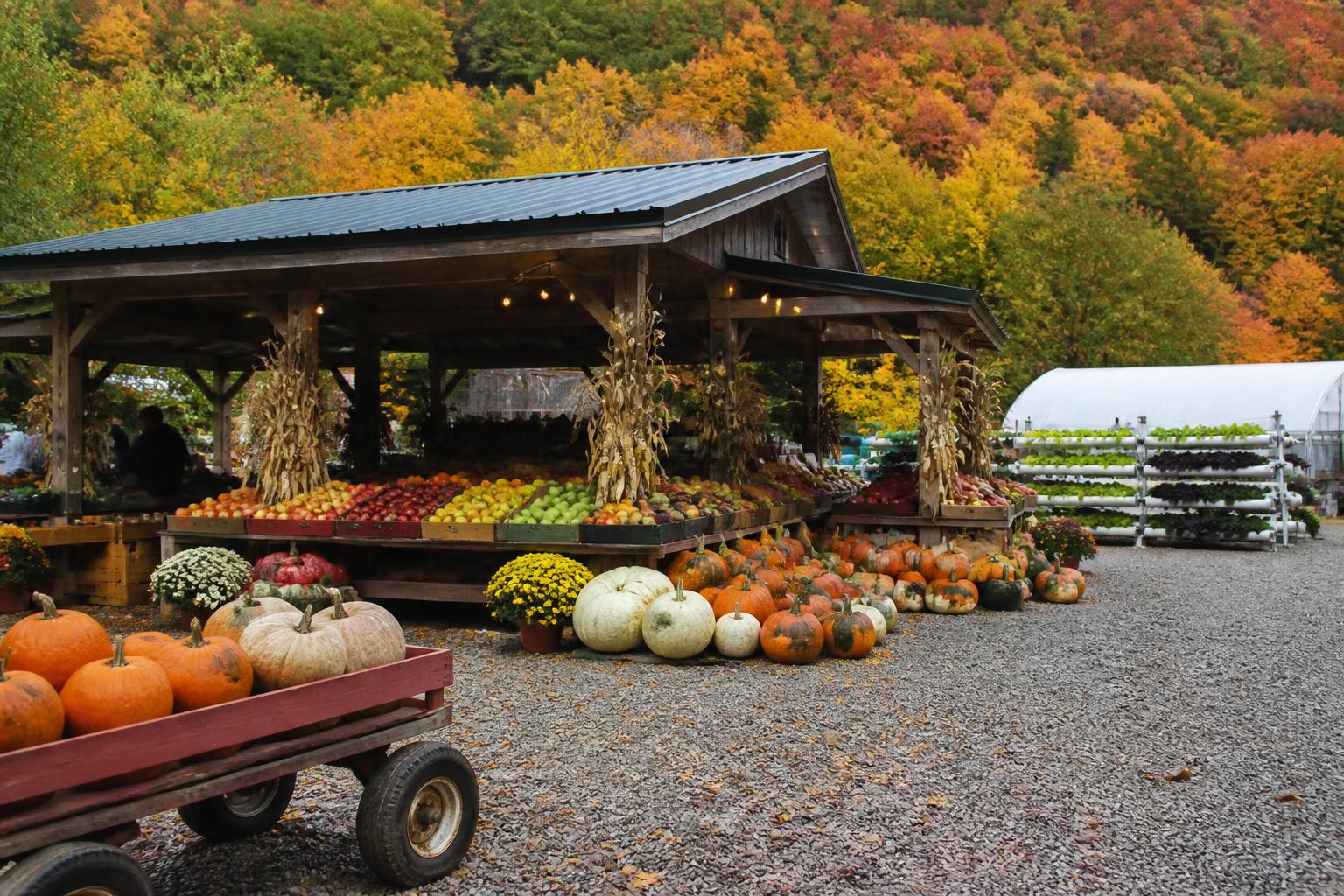
As the fall harvest season winds down across New Jersey, the agricultural landscape continues to experience significant shifts. From the rolling fields of Middlesex County to the diverse production hubs across the state, growers are concluding their seasonal operations while managing the ongoing pressure of supply chain adjustments and evolving market demands. The past few weeks have been a period of both reflection and forward-looking investment for many local agribusinesses.
For producers and grain handlers, the focus remains on streamlining logistics to manage the late-season movement of goods. Maintaining efficient farm-to-market pathways is critical as field activity decreases and operations transition toward winter maintenance. The resilience of these supply lines remains a foundational concern, especially as businesses look to balance the cost of inputs with the need for infrastructure growth.
Modernizing Production and Distribution
Innovation continues to play a vital role in keeping New Jersey agriculture competitive. Recent initiatives are exploring new methods, such as hydroponic systems and specialized field management technology, to optimize land usage. These advancements are increasingly relevant as farmers navigate the dual challenges of land preservation and the integration of renewable energy solutions like solar-powered security and monitoring tools on remote sites.
Beyond technology, community-focused initiatives are gaining traction to mitigate food waste and enhance regional stability. Participation in programs aimed at redistribution demonstrates a broader commitment among local agribusinesses to improve market efficiency, which may provide more reliable support for growers during fluctuating economic windows.
Preserving Legacy and Adapting to Change
The state has recently seen a tribute to its agricultural roots, with the passing of generational leaders who helped shape the local industry. Such milestones highlight the enduring nature of family-run farms that have been pillars of regional commerce for decades. Whether through diversifying fruit and produce offerings or adapting to new environmental and economic realities, these legacy farms continue to serve as a bellwether for the broader agricultural community in the Northeast.
As logistics and infrastructure resilience remain top-of-mind, many operators are evaluating their long-term strategies for the coming year. The combination of historical experience and modern adaptation will likely define the success of local agricultural sectors as they prepare for the winter months.
What it means for the market
For farmers and agribusiness stakeholders, the current market signals a move toward consolidation and technical modernization. As the industry faces rising operational costs, investing in efficiency—whether through automated security, better logistics, or sustainable resource use—is increasingly essential to maintaining market share in an ever-changing regional economy.
Comments
No comments yet - be the first to share your take.