
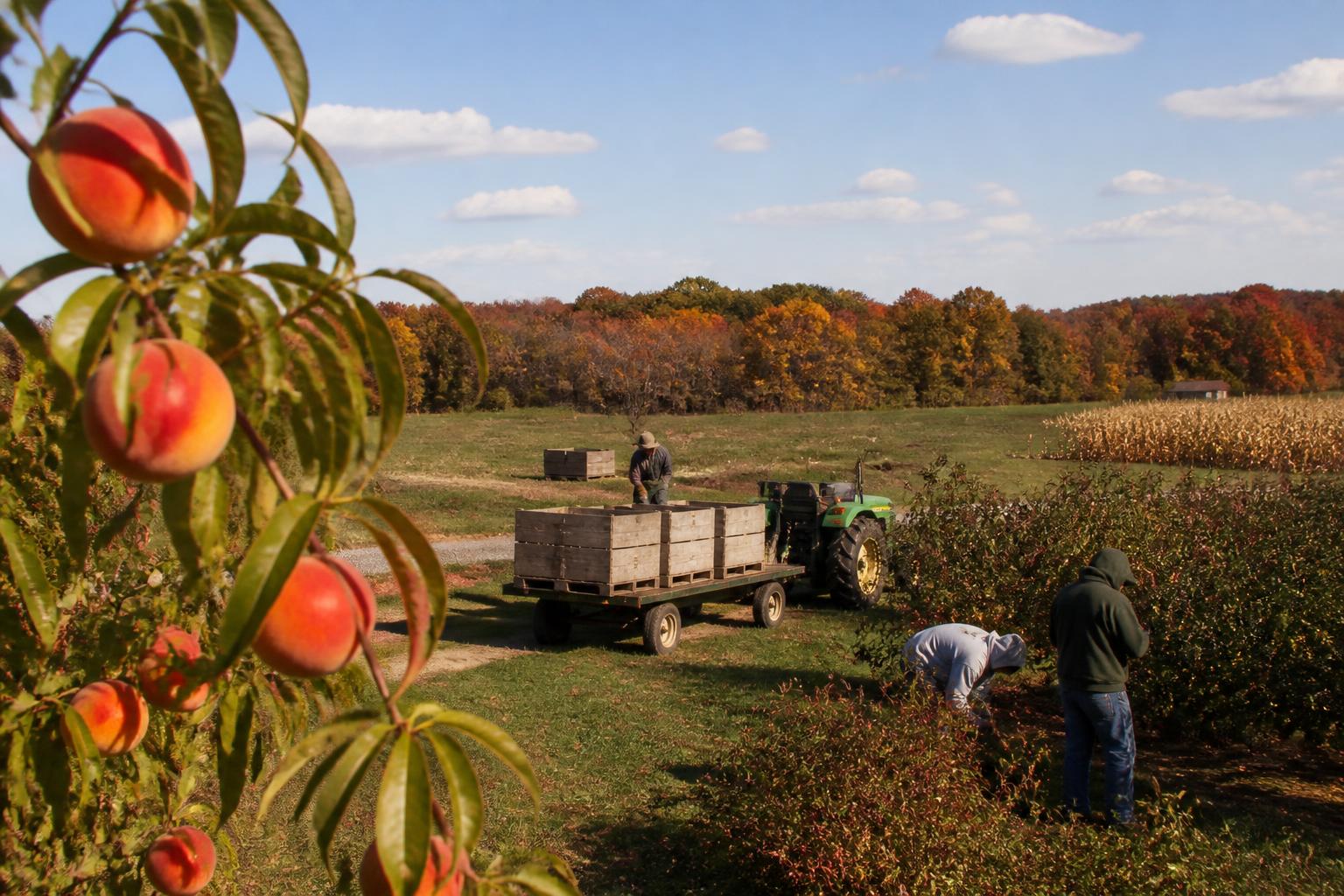
As the fall season wanes in New Jersey, the state's agricultural community continues to reflect on the balance between preserving historic land and adapting to the demands of modern market production. From the iconic fields of South Brunswick to the broader regional networks, the emphasis remains on operational longevity and the integration of sustainable practices that secure the future of the state's farmland.
For many local producers, navigating the current landscape involves more than just harvest logistics. Agribusinesses throughout the Garden State are increasingly focused on long-term stewardship, managing late-fall transitions and shifting operational priorities as winter approaches. Whether upgrading equipment or rethinking crop management, the focus on soil health remains a cornerstone of regional resilience.
Adapting to Evolving Production Standards
The commitment to efficiency is driving investment in new research and smarter operational systems. Recent federal funding initiatives aimed at universities are expected to bolster support for agricultural research facilities, a trend that may eventually offer farmers better access to advanced data and smarter operating systems for their equipment. These developments are vital for producers looking to maintain competitive edges while navigating the complex regulatory environment unique to New Jersey.
Furthermore, as growers look ahead, the adoption of cover crop management and no-till practices is gaining momentum. These methods are frequently cited as essential components for maintaining productivity while lowering input dependencies. This transition is becoming a common topic at local co-ops, where producers discuss the viability of new systems in the context of the state's unique climate and economic constraints.
Infrastructure and Market Stewardship
In addition to technical upgrades, the physical infrastructure of farms remains a critical consideration. With continued interest in land preservation—evidenced by local community efforts to protect open space—growers are often tasked with balancing active farming with the stewardship of land that serves both the community and the market. Logistics and infrastructure stability are paramount to this balance, ensuring that products move efficiently from New Jersey soil to regional and national markets.
What it means for the market
For the New Jersey agribusiness sector, the takeaway is clear: the focus is shifting toward long-term sustainability and technological integration. Producers who prioritize soil health and invest in scalable, modern operating systems are better positioned to weather seasonal fluctuations. As we move closer to winter, evaluating your equipment needs and conservation practices now may provide the operational flexibility required to address the challenges of the coming year.
Comments
No comments yet - be the first to share your take.