
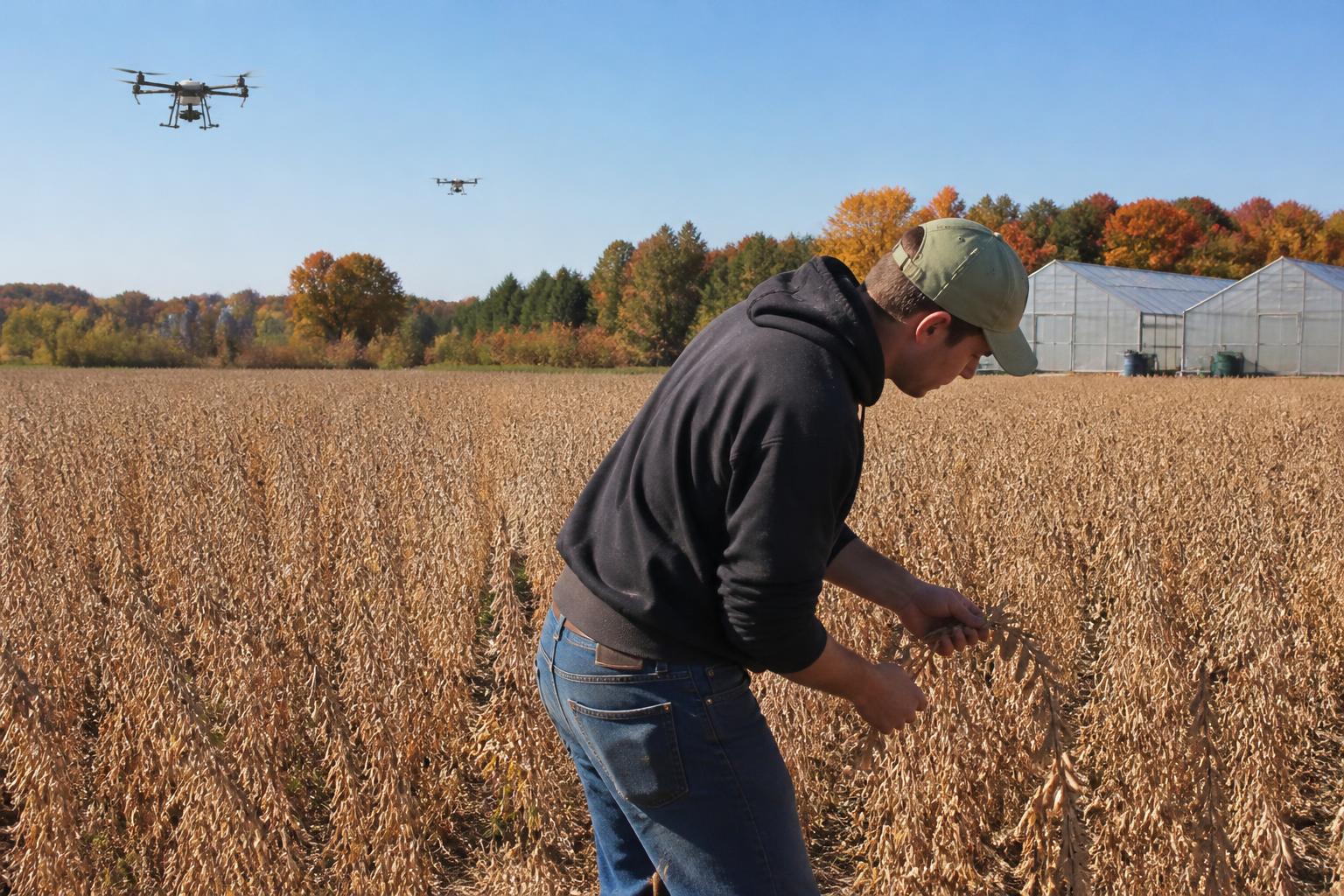
Michigan agricultural operations are navigating a transitional period as field activities move toward completion. While producers finalize harvest, attention is turning toward evolving operational requirements and institutional support aimed at enhancing long-term farm resilience and protection.
Recent developments indicate that Michigan is preparing for a significant overhaul of commercial fertilizer storage regulations. For agribusinesses and grain handlers, this shift may necessitate reviews of current storage infrastructure and compliance protocols to ensure alignment with modernized safety and environmental standards. Proactive monitoring of these regulatory updates is recommended as the industry looks toward the next planning cycle.
Expanding Support for Crop Protection
Beyond infrastructure regulation, the state is bolstering its commitment to specialty crops and environmental risk management. The Michigan Department of Agriculture and Rural Development (MDARD) has recently highlighted new collaborative efforts with Michigan State University Extension, specifically focused on equipping farmers with advanced tools to mitigate issues like PFAS. These resources are designed to help producers manage potential liabilities and maintain land health, a critical factor for long-term operational success.
Strategic Investments and Research
Research remains a cornerstone of Michigan’s agricultural strategy, evidenced by recent expansions in institutional plant science facilities. Furthermore, the state continues to solicit input for the 2027 Specialty Crop Block Grant funding, offering farmers a venue to voice priorities that affect their local operational risk profiles. For producers considering their next investments in fertility and soil management, it is useful to track current cost-management trends and logistical pressures that continue to influence the broader regional market.
What it means for the market: Producers and agribusinesses should treat these regulatory and research updates as early signals for 2027 planning. By staying engaged with state-level grant priorities and adapting to upcoming storage standards now, operations can avoid the costs of reactive compliance and better position themselves for the next growing season.
Comments
No comments yet - be the first to share your take.