
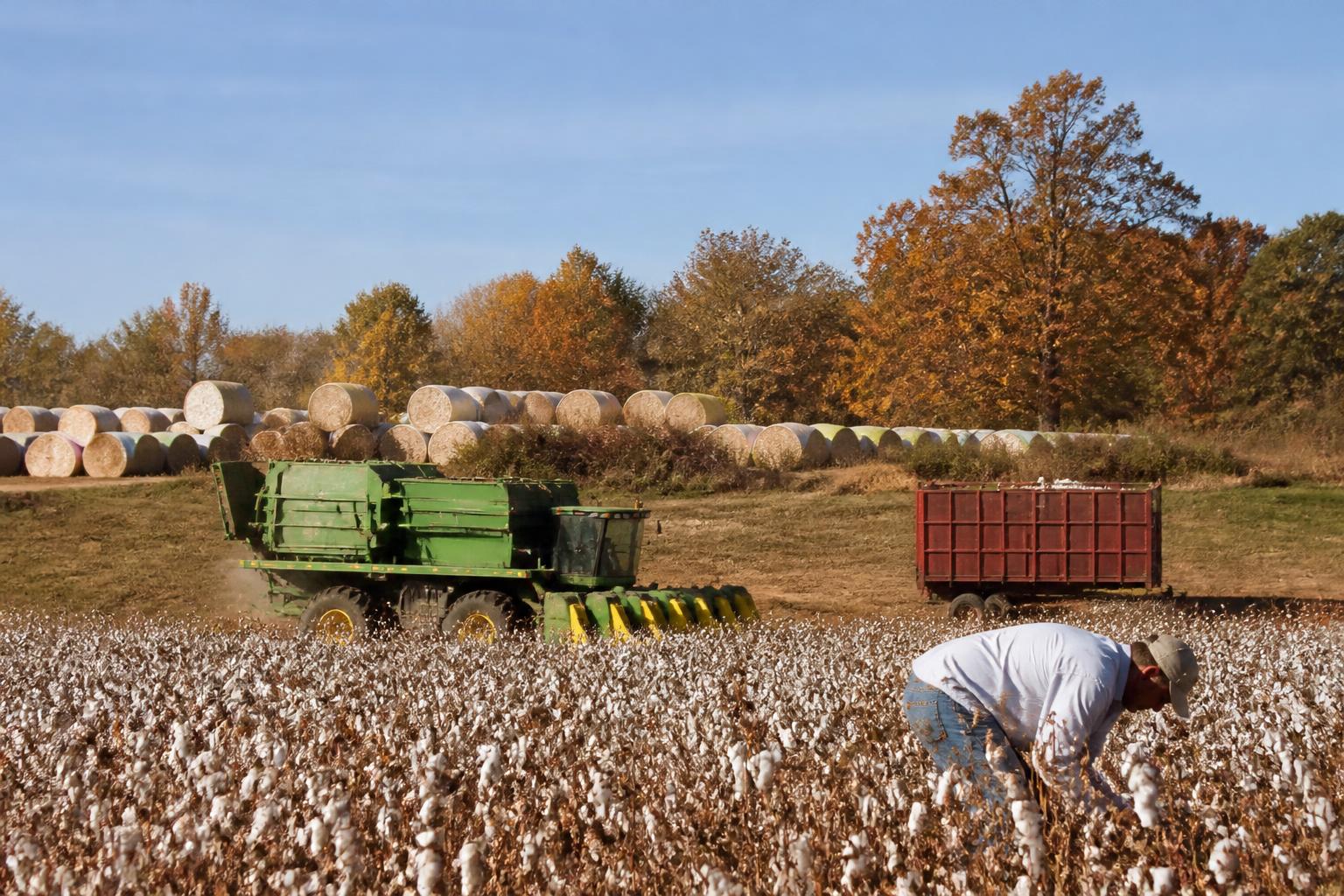
As the fall harvest season concludes across the fields of Arkansas, from the fertile Mississippi Delta to the rolling landscapes of the Arkansas River Valley, producers are turning their attention toward financial stability. This year has brought a unique set of challenges, with many local operations balancing the demands of modern precision agriculture against a backdrop of mounting economic strain. For many, the focus has shifted from the final bushels in the bin to securing the long-term viability of their land and assets.
Managing Risk in an Evolving Economic Climate
Recent reports indicate that agricultural lenders are observing significant stress on farm balance sheets, echoing concerns not seen in similar intensity for decades. In Arkansas, where row-crop production remains a cornerstone of the economy, the pressure on liquidity is forcing many to re-evaluate their input strategies and risk protection. As noted in recent analysis, Arkansas producers face financial headwinds following a variable fall harvest, making proactive financial planning essential for the upcoming winter season.
Strengthening Operational Protection
Beyond fiscal management, Arkansas growers are increasingly prioritizing the protection of their core infrastructure and agricultural assets. Whether it is safeguarding poultry operations or navigating the complexities of foreign farmland ownership regulations, operators are finding that defensive management is now as important as production yield. Strengthening biosecurity measures and maintaining clear land title compliance are becoming standard operating procedures for large and small-scale farms alike.
Technological Resilience and Long-Term Planning
The history of Arkansas agriculture, from the development of early research stations to the adoption of sophisticated biotechnologies, shows a clear path of innovation. As the industry looks toward the next growing cycle, the integration of data-driven tools can help identify cost-saving opportunities. While market volatility continues to influence local decisions, leveraging established research and risk-mitigation resources may provide a necessary cushion against sector-wide uncertainties.
What it means for the market
For grain handlers, input buyers, and service providers across the state, the current climate suggests a trend toward conservative procurement and a heightened demand for financial and legal advisory services. As Arkansas farmers tighten budgets, businesses serving the sector should anticipate a focus on value-added inputs and structured credit solutions that prioritize long-term asset protection over aggressive expansion.
Comments
No comments yet - be the first to share your take.