
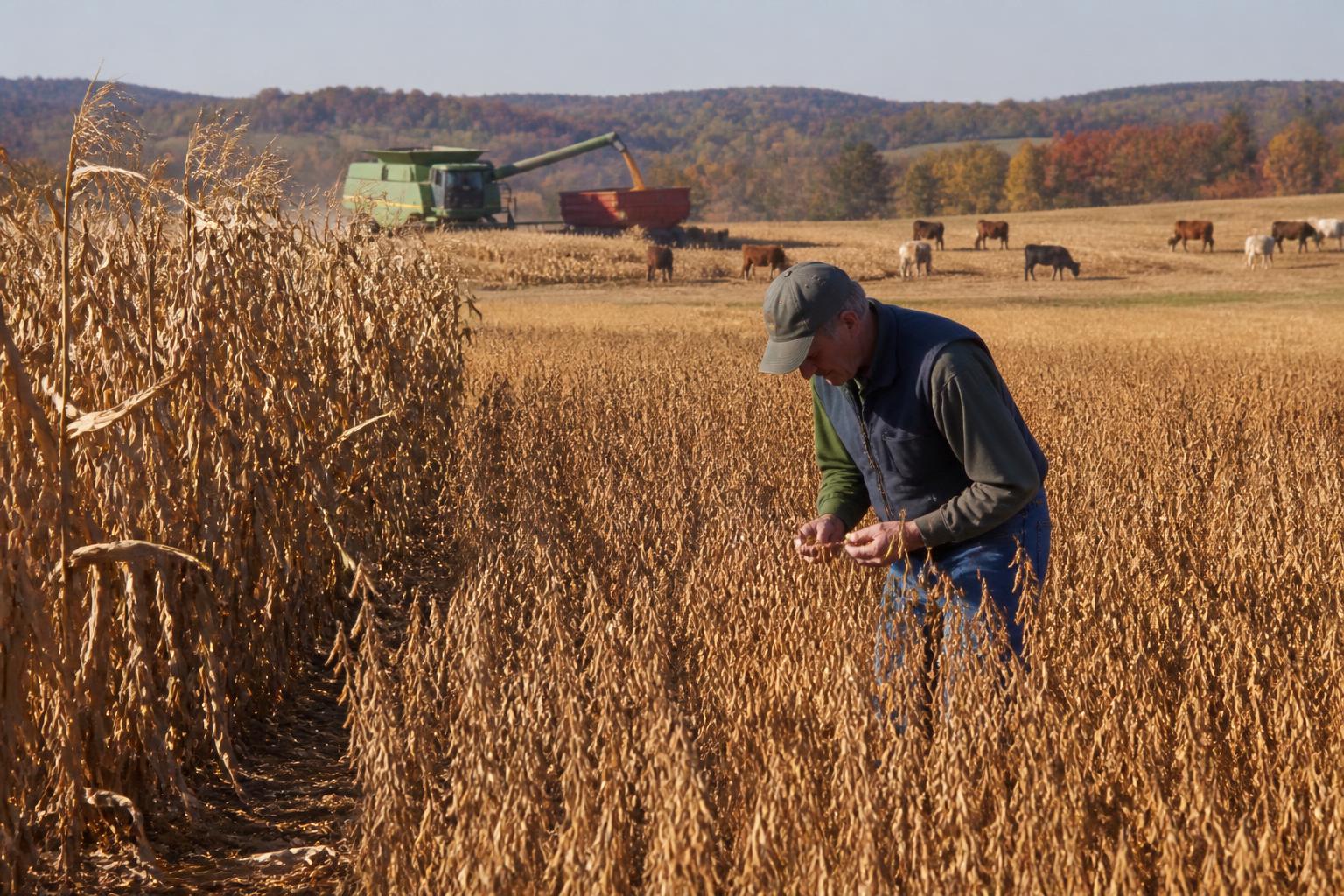
With the harvest season largely wrapping up across Minnesota, producers are pivoting from field operations to a cautious assessment of the 2027 crop year. While the physical movement of grain remains a priority, current market volatility is compelling many farmers to hold off on immediate sales, with many seeking better basis opportunities rather than rushing to move grain at lower cash prices.
Logistics infrastructure continues to play a central role in how grain flows from rural elevators to major export terminals. As we transition deeper into fall, maintaining efficient transport networks remains critical for maintaining competitive margins. The post-harvest landscape in Minnesota often requires careful coordination between rail carriers and regional grain handlers to keep supply chains moving without excessive delays.
Managing Costs in a Volatile Environment
The economic reality for many agribusinesses is underscored by tighter margins. Increased operational expenses, including rising fuel and input costs, have created a landscape where every logistical decision matters. Because commodity market volatility can suppress potential returns, experts often recommend a proactive approach to grain storage. Understanding how late-season margins behave is essential for farmers balancing current overhead against future revenue potential.
Furthermore, as the industry looks toward next year, partnerships focused on regenerative agriculture and efficiency are becoming a larger part of the conversation. These initiatives may offer long-term stability for those willing to align their operations with evolving market demands and sustainable production goals.
What it means for the market
For Minnesota producers, the current environment demands a blend of patience and logistical discipline. With cash bids fluctuating and input costs putting pressure on profitability, holding onto grain where storage allows may be a common strategy to navigate short-term price troughs. Meanwhile, staying informed on infrastructure constraints and shipping patterns will continue to be a primary lever for managing the bottom line as the state heads into the winter months.
Comments
No comments yet - be the first to share your take.