
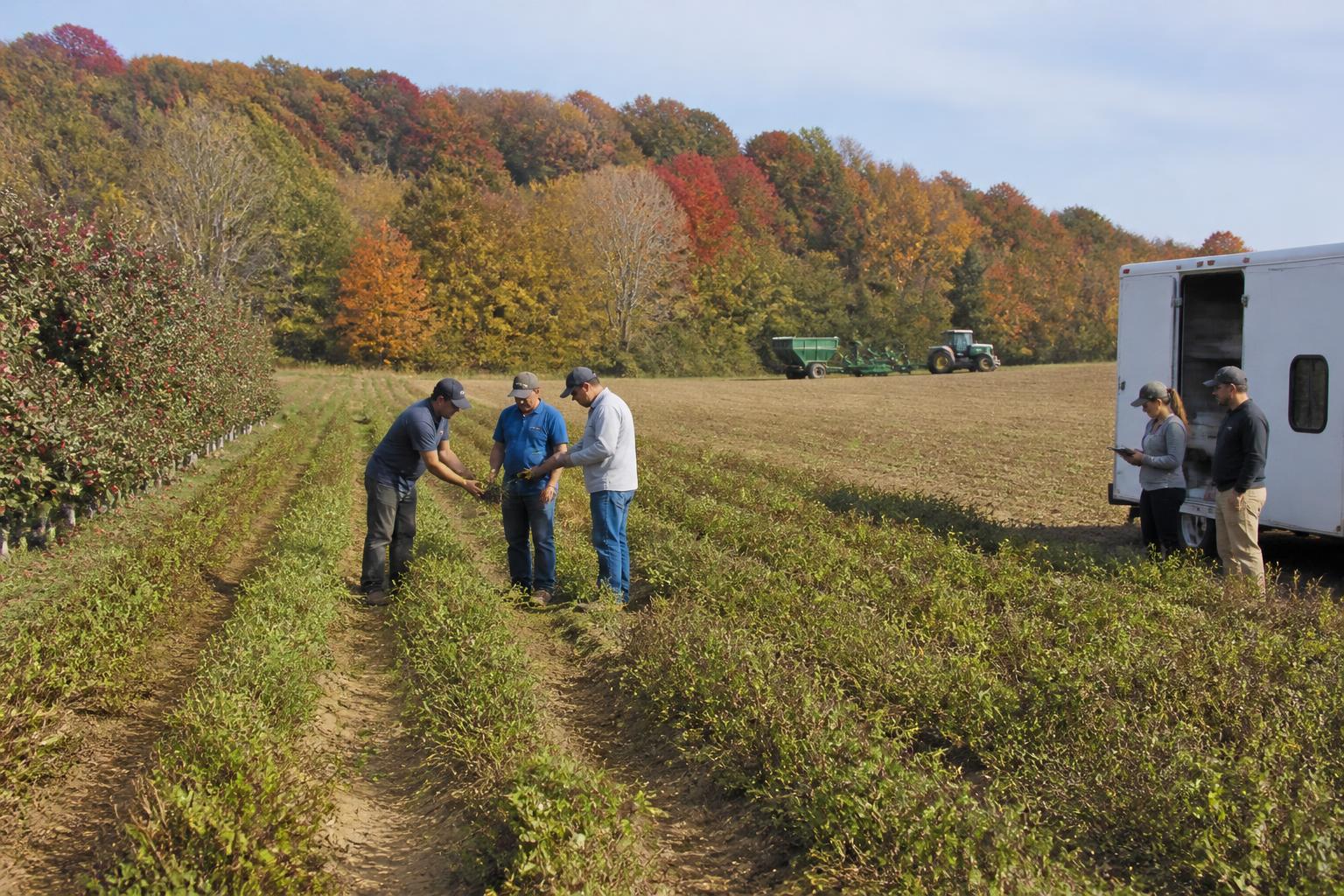
As the fall harvest winds down across Arkansas, the agricultural sector finds itself navigating a landscape defined by significant financial pressure. Producers in regions from the Delta to the Ozark foothills are reporting that thinning margins have placed immense strain on operations, leading to a noticeable uptick in bankruptcy filings across the state throughout 2025 and into the current season.
The current market environment remains testing for many, as producers grapple with tightening margins and the volatility of post-harvest commodity pricing. While some sectors, such as peanut production, have benefited from targeted state-level interventions to preserve yield, the broader agricultural community continues to seek stability in a period of restricted liquidity and rising operational costs.
Legislative Focus and Support Systems
In response to the ongoing economic headwinds, industry stakeholders are closely monitoring federal legislative progress. Efforts to move a comprehensive farm bill forward by year-end remain a primary focal point, as representatives and industry leaders emphasize the necessity of predictable policy to support long-term planning for Arkansas growers.
Beyond legislative efforts, local resources are shifting to prioritize producer welfare and business continuity. Educational workshops and mobile resource labs, such as the TransformAR initiative, are increasingly active in providing growers with technical assistance and survival strategies. These efforts are part of a broader push to ensure producers are equipped to manage the fallout from the variable fall harvest while mitigating the impact of high-interest environments.
What it means for the market
For agribusinesses, lenders, and input suppliers, the current climate underscores a need for flexible credit and risk management solutions. As Arkansas producers adjust to these pressures, the ability of supply chain partners to offer customized support or deferred payment structures may prove vital in maintaining regional stability as the industry heads into the winter planning cycle.
Comments
No comments yet - be the first to share your take.