
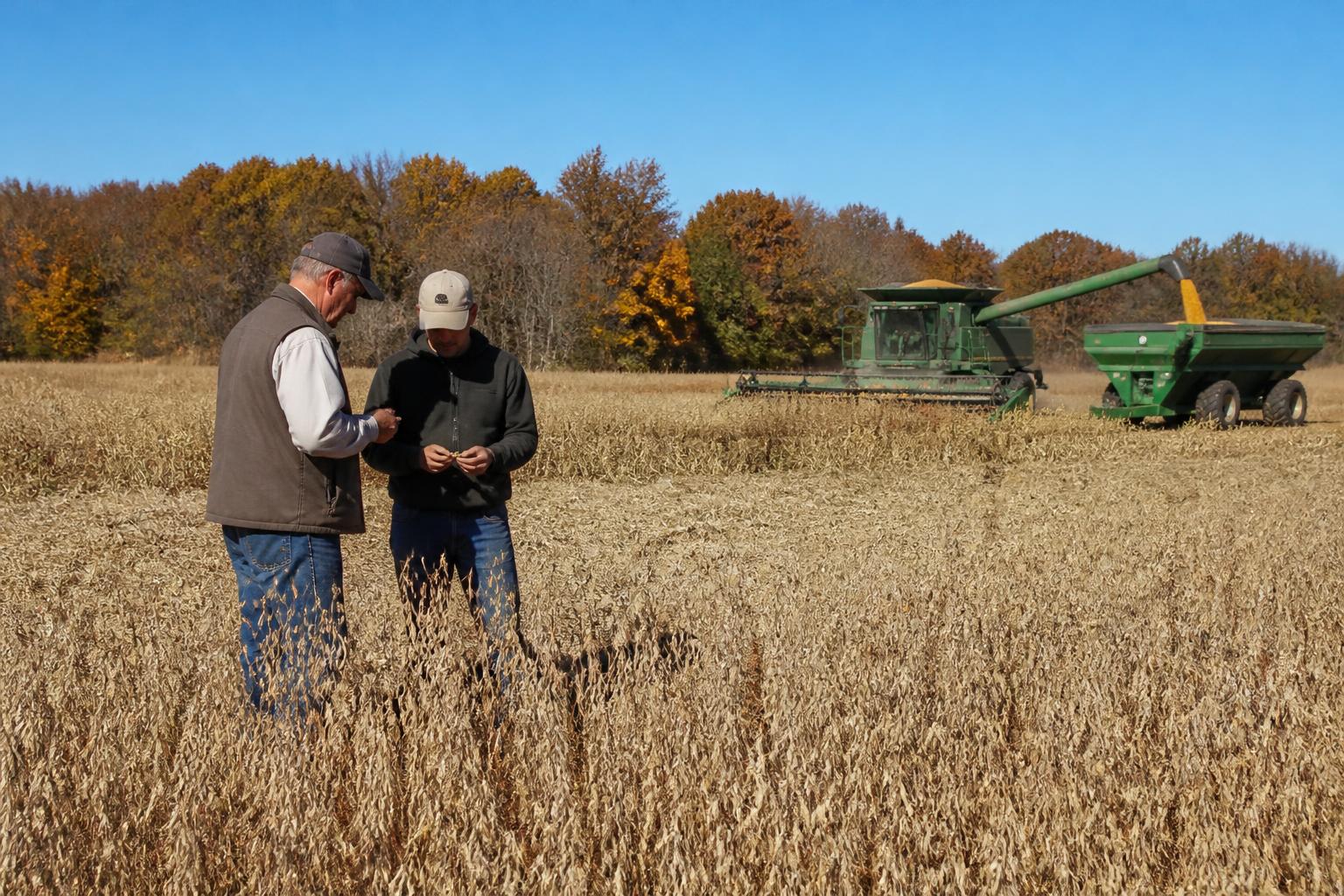
As the fall harvest concludes across Delaware, local producers are facing a complex market environment characterized by shifting commodity prices and tightening financial liquidity. With larger overall supplies currently weighing on national markets, regional grain handlers are seeing price fluctuations that may impact end-of-year storage and sales decisions.
For growers across Kent and Sussex counties, the current market reality underscores the importance of efficient inventory management. Balancing the decision to hold grain in anticipation of better pricing versus securing current cash flows is a frequent topic in local Delaware grain markets as producers weigh these logistical choices against ongoing operational costs.
Credit and Financial Positioning
Beyond the immediate pressures of the harvest, Delaware agribusinesses are navigating a tightening credit climate. With broader banking sectors flagging concerns over profitability and rising debt levels in the agricultural industry, farmers are encouraged to review their working capital needs early. This environment often necessitates a proactive approach to financial planning, particularly when calculating the return on investment for inputs and storage capacity.
Adapting to Supply Chain Realities
Logistics remain a critical component of regional profitability. As the state continues to integrate more advanced supply chain management tools, efficiency in handling and transport can offer marginal gains that offset softer commodity prices. Monitoring harvest progress and market volatility remains essential for local stakeholders looking to optimize their position in an increasingly competitive environment. Many operations are also exploring precision nutrition and technological advancements to maintain soil productivity and yield consistency in the face of these economic headwinds.
What it means for the market
The convergence of lower grain prices and restricted credit access suggests that Delaware farmers may benefit from a conservative, data-driven approach to their marketing strategy this winter. By focusing on optimizing existing storage and maintaining liquidity, producers can better position themselves to weather current volatility and prepare for the upcoming planting cycle.
Comments
No comments yet - be the first to share your take.