
Mainland Market Signals and Local Implications
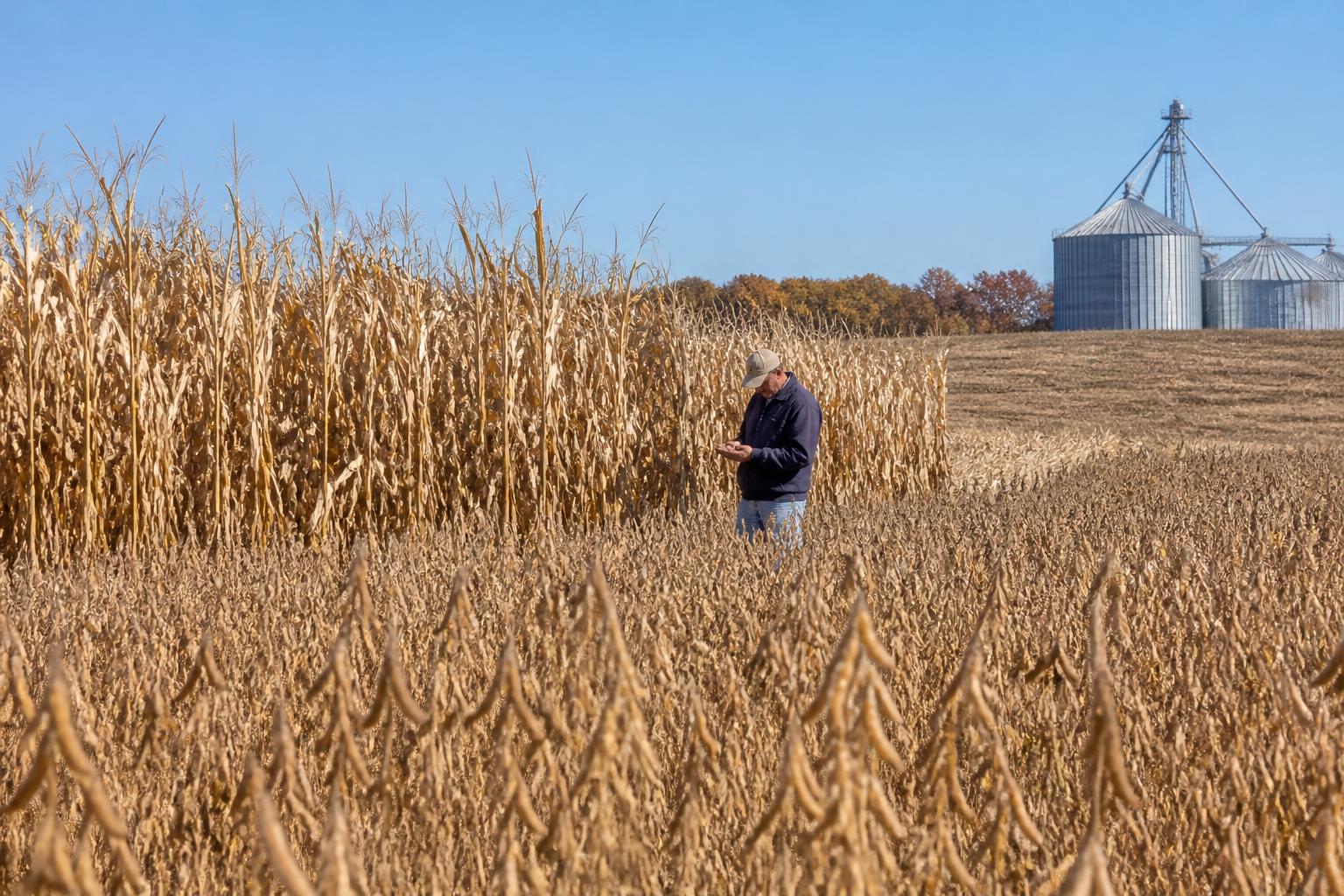
For Hawaii's livestock industry, current fluctuations in mainland corn and soybean prices serve as a critical reminder of the state's reliance on imported feed. Following recent market activity that saw grains close higher, local operators may need to reassess their purchasing strategies to manage potential cost pressures. While Hawaii agriculture often operates on unique logistical timelines, the cost of securing consistent animal feed remains tied to the broader national commodity landscape.
Understanding Feed Sourcing and Compliance
The regulatory landscape for feed continues to evolve, with ongoing discussions surrounding the use of GMO crops in animal food. Producers across the islands, from the Big Island to Oahu, should maintain vigilance regarding evolving federal guidelines that impact feed quality and importation requirements. Staying updated on grain buyers, sellers and prices in Hawaii is a practical step for ensuring that input costs remain aligned with operational budgets during periods of mainland price volatility.
Sustainability and Input Costs
Beyond traditional feed sourcing, the conversation in Hawaii's agricultural sector is shifting toward the hidden costs associated with modern production systems. As producers look to balance efficiency with rising overhead, investigating localized alternatives or more resilient supply chains may become increasingly relevant. Evaluating the total resource footprint of feed can also help agribusinesses prepare for future market shifts and potential changes in consumer preference for sustainable livestock practices.
What it means for the market
Hawaii's livestock producers should prepare for a period of adjustment. As mainland grain prices exhibit variability, local managers are encouraged to strengthen relationships with suppliers and monitor federal updates regarding feed composition. Prioritizing transparency and supply chain efficiency will be essential for maintaining profitability in a challenging market environment throughout this fall season.
Comments
No comments yet - be the first to share your take.