
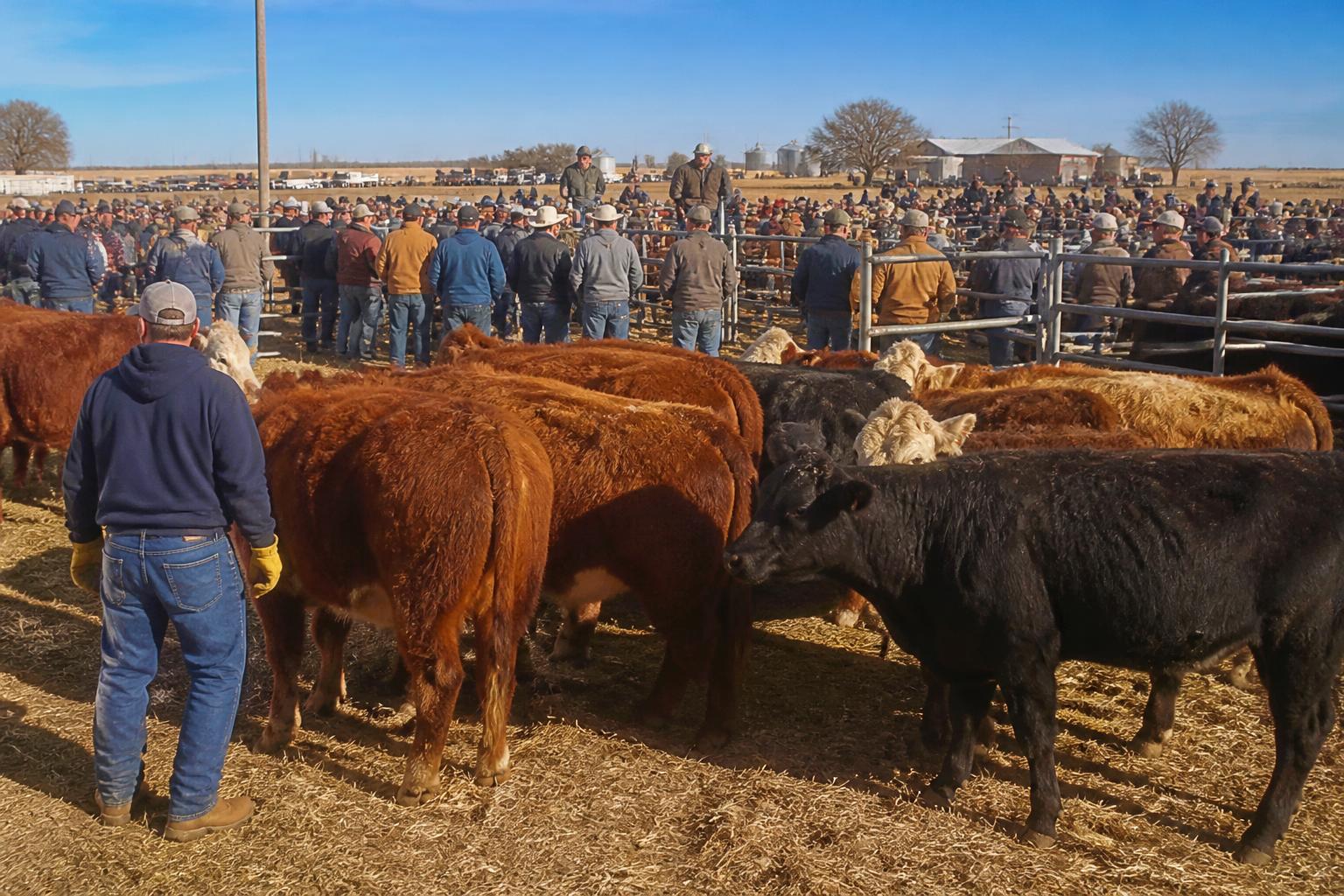
Adapting to a Shifting Trade Landscape
For New Mexico agribusinesses, the fall season often brings a mix of post-harvest logistics and strategic planning for the coming year. Recent reports regarding ongoing discussions between U.S. and Mexican officials concerning trade, particularly surrounding the movement of grain and livestock, have created an atmosphere of cautious anticipation across the state. As producers in regions from the Pecos Valley to the high plains evaluate their season, the stability of cross-border pathways remains a central point of concern for market participants.
Ensuring smooth logistics is essential for the region, where connectivity to international markets frequently dictates local pricing and demand. Many handlers in New Mexico are staying current on policy impacts on grain and livestock markets as they monitor how potential trade agreements might influence upcoming seasonal demand. These developments emphasize the need for producers to maintain flexibility in their marketing strategies while keeping a close eye on regional infrastructure updates.
Logistics and Regulatory Vigilance
Beyond broad trade policy, the physical movement of goods remains a primary logistical consideration. The recent focus on biosecurity at southern ports has prompted a heightened state of awareness among carriers and elevator managers. In many parts of the state, maintaining high operational standards is key to mitigating delays. When cross-border transit faces scrutiny, localized bottlenecks can emerge, highlighting the importance of staying informed on logistics and biosecurity protocols that directly affect day-to-day operations.
Input Market Outlook
As the industry looks toward the next planting season, the cost and availability of essential inputs are top of mind for many farmers. There has been an increased focus on strengthening domestic production capabilities to help insulate the agricultural sector from global supply volatility. For those planning their upcoming input needs, staying informed about fertilizer market shifts can provide a competitive edge in managing field expenses during these fluctuating times.
What it means for the market
The convergence of shifting trade policies, logistical scrutiny at border crossings, and renewed investment in domestic input production points to a period of transition for New Mexico agriculture. For farmers and grain handlers, success in the coming months will likely depend on maintaining strong relationships with local elevators, keeping a close eye on regulatory updates that could impact throughput, and proactively managing input procurement well in advance of the spring season.
Comments
No comments yet - be the first to share your take.