
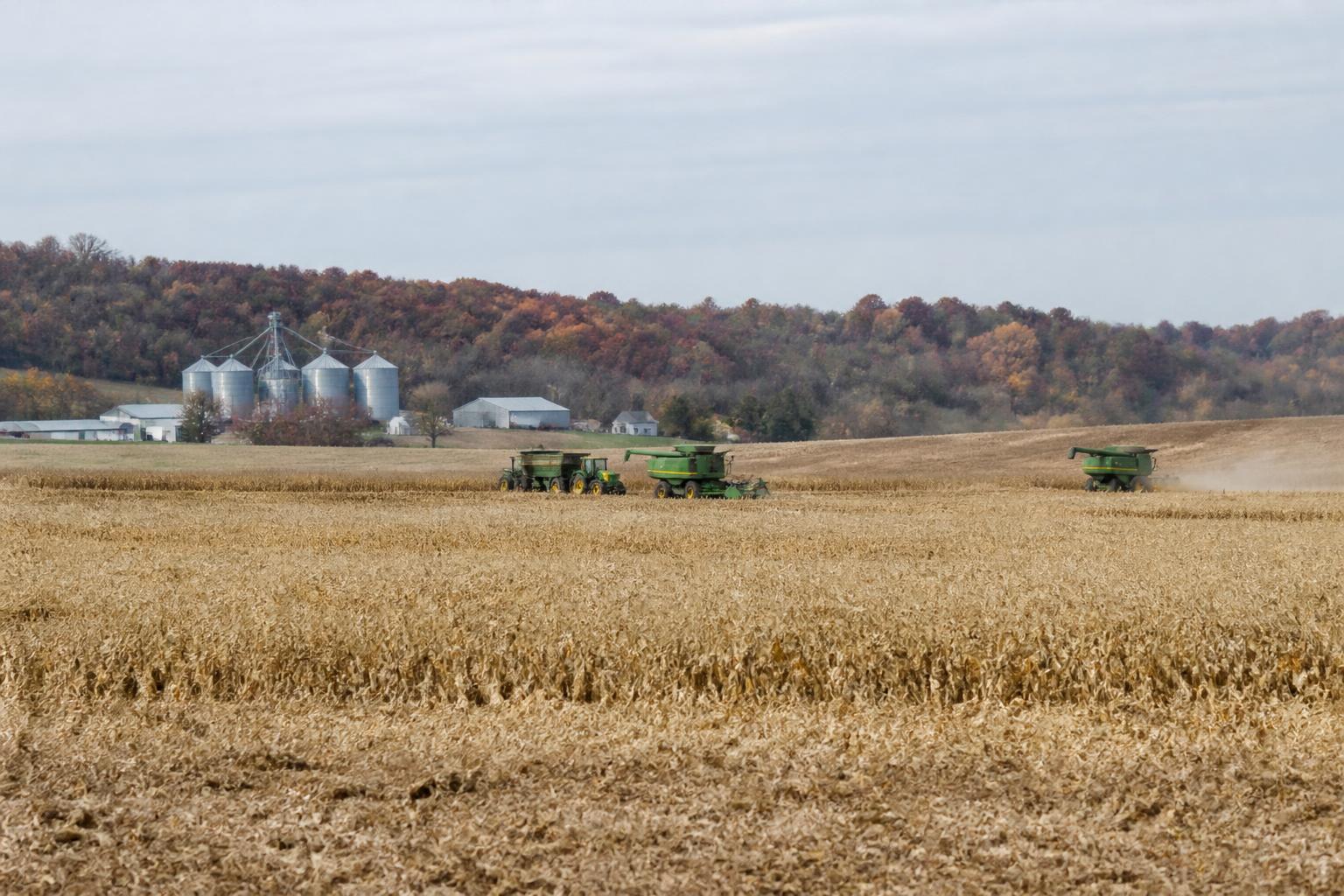
With the 2026 harvest largely in the bin, the focus for U.S. growers has shifted from field operations to the critical phase of inventory management and marketing. Market participants are currently navigating a landscape defined by significant price fluctuations, with grain futures facing downward pressure throughout the week before seeing a modest bounce in recent sessions. As combines finish their final rounds, the conversation among agribusinesses and farmers has pivoted toward balancing immediate cash needs against potential long-term price recovery.
The uncertainty surrounding global demand, particularly regarding international trade commitments, continues to influence local market sentiment. While the domestic supply side is well understood following the completion of the harvest, traders remain hyper-focused on upcoming USDA reports. These data points typically provide the necessary clarity for elevators and producers to refine their hedging strategies, especially as the market remains sensitive to geopolitical developments and shifts in South American planting progress.
Managing On-Farm Grain Stocks
For many producers, the decision of whether to move grain now or hold for better seasonal opportunities remains paramount. As noted in recent discussions on financial resilience during the harvest, creating a disciplined plan for grain stored in bins can help mitigate the impact of recent market lows. Producers often find that evaluating their break-even points, while accounting for current storage costs and interest rates, is essential for maintaining liquidity.
Some producers are also exploring alternative uses for lower-quality crop inventories. For instance, in areas with significant livestock production, there has been renewed interest in utilizing lower-grade whole soybeans as a supplemental cattle feed. When managed within a balanced ration, this can provide an internal market for grain that might otherwise face heavy discounts at the elevator.
Market Outlook and Global Influences
The broader agricultural market is currently caught between the tail end of the U.S. season and the expansion of planting in the Southern Hemisphere. As attention turns to production cycles in Brazil and Argentina, observers are also tracking global export dynamics. Much of the current volatility is tied to the need for sustained, consistent purchasing activity from major importers to stabilize price discovery. As highlighted in recent grain market updates, steady export interest remains a primary anchor for domestic cash bids.
Ultimately, the current environment demands a cautious approach to risk management. Whether analyzing the impact of supply pressures on local elevators or waiting for clearer signals on international trade policy, the coming weeks will be defined by how effectively the industry can interpret the latest supply and demand forecasts.
What it means for the market
The transition from harvest to winter storage marks a high-stakes period for farm financial planning. With prices hovering near multimonth lows, the next round of USDA data will likely act as a major catalyst for price movement. Producers who have the capacity to hold inventory may prioritize patience, while those with immediate cash-flow requirements are evaluating all available outlets, including livestock feed applications, to manage their remaining 2026 stocks.
Comments
No comments yet - be the first to share your take.