
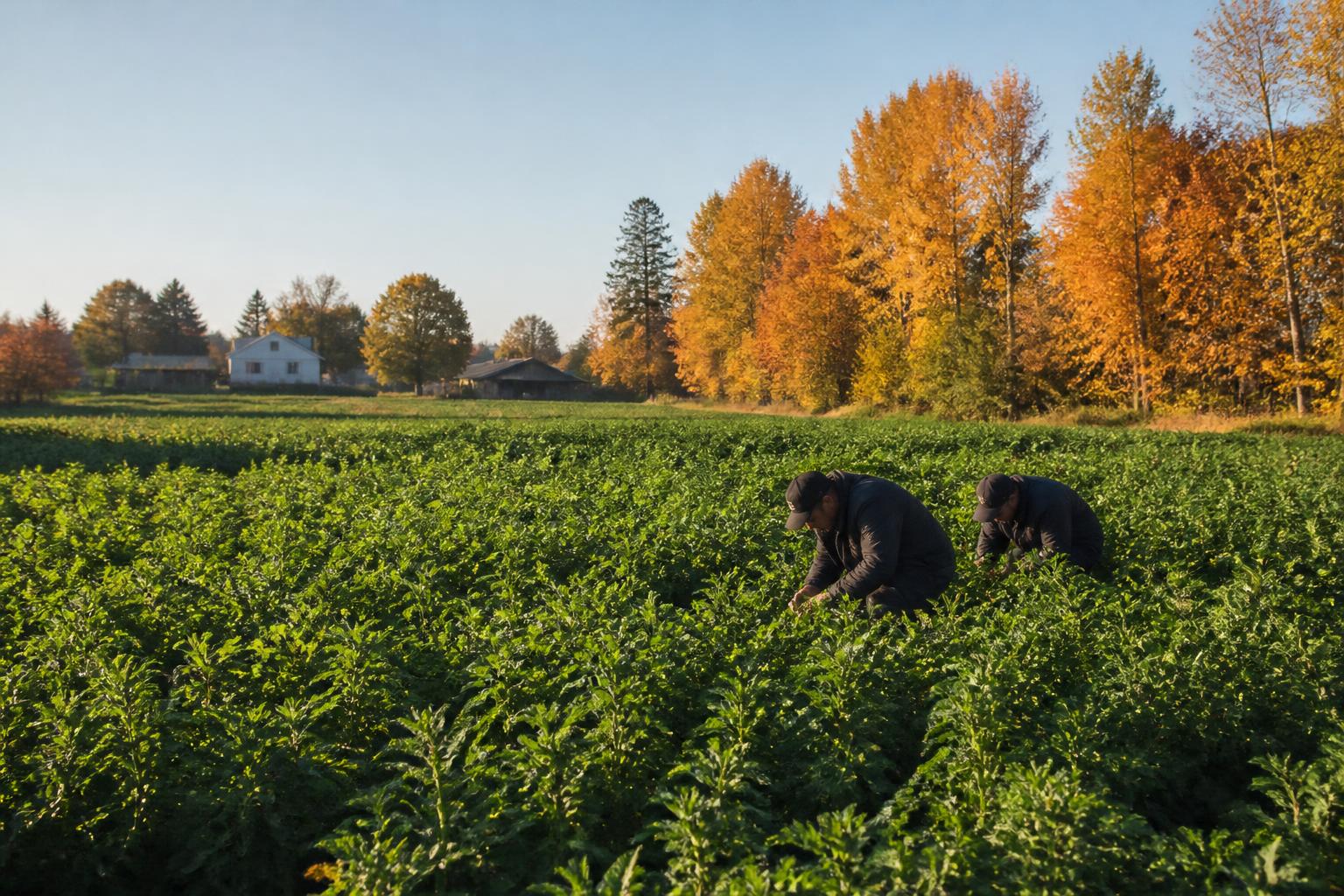
With the fall season in full swing across Oregon, growers and agronomists are increasingly focused on optimizing nutrient management as they prepare fields for the upcoming dormant period and next year's cycle. As local operators assess their input costs amidst ongoing harvest logistics, the stability of the fertilizer supply chain remains a primary concern for regional agribusinesses.
Recent federal interest in bolstering domestic fertilizer manufacturing has sparked discussion about the long-term reliability of local inputs. For many growers in the Willamette Valley and beyond, the focus has shifted toward efficiency. Recent research into soil-specific solutions, such as the use of biochar for lasting soil improvements and refined management of serpentine soils, suggests that Oregon producers are finding ways to maintain productivity while managing the realities of current input availability.
Refining Application Strategies
The emphasis on precision continues to gain traction, particularly as producers evaluate the economic impact of their input applications. Whether managing peppermint crops or specialized greenhouse commodities, the ability to fine-tune nutrient needs—often supported by tools like digital scheduling aids—can help mitigate the volatility often seen in the global supply market. Many local experts encourage producers to stay proactive by monitoring soil nutrient profiles early, which may prevent unnecessary applications and help stabilize overhead during tightening fiscal cycles.
Looking Ahead at Soil Health
Sustainability and cost-efficiency are becoming increasingly linked as growers look toward the next season. With recent insights highlighting how certain amendments can provide persistent benefits, more producers are experimenting with long-term soil stewardship as a hedge against supply-side uncertainty. By integrating diverse input and fertilizer strategies, the Oregon agricultural community is working to insulate itself from broader market fluctuations.
What it means for the market
For Oregon farmers and input buyers, the current market climate necessitates a balanced approach. While national initiatives aim to secure future fertilizer capacity, immediate focus remains on localized management—prioritizing soil testing, evaluating alternative amendments, and aligning application schedules with precise crop needs. Maintaining strong relationships with regional distributors is recommended to navigate any potential localized shortages or price shifts as we head toward the winter months.
Comments
No comments yet - be the first to share your take.