
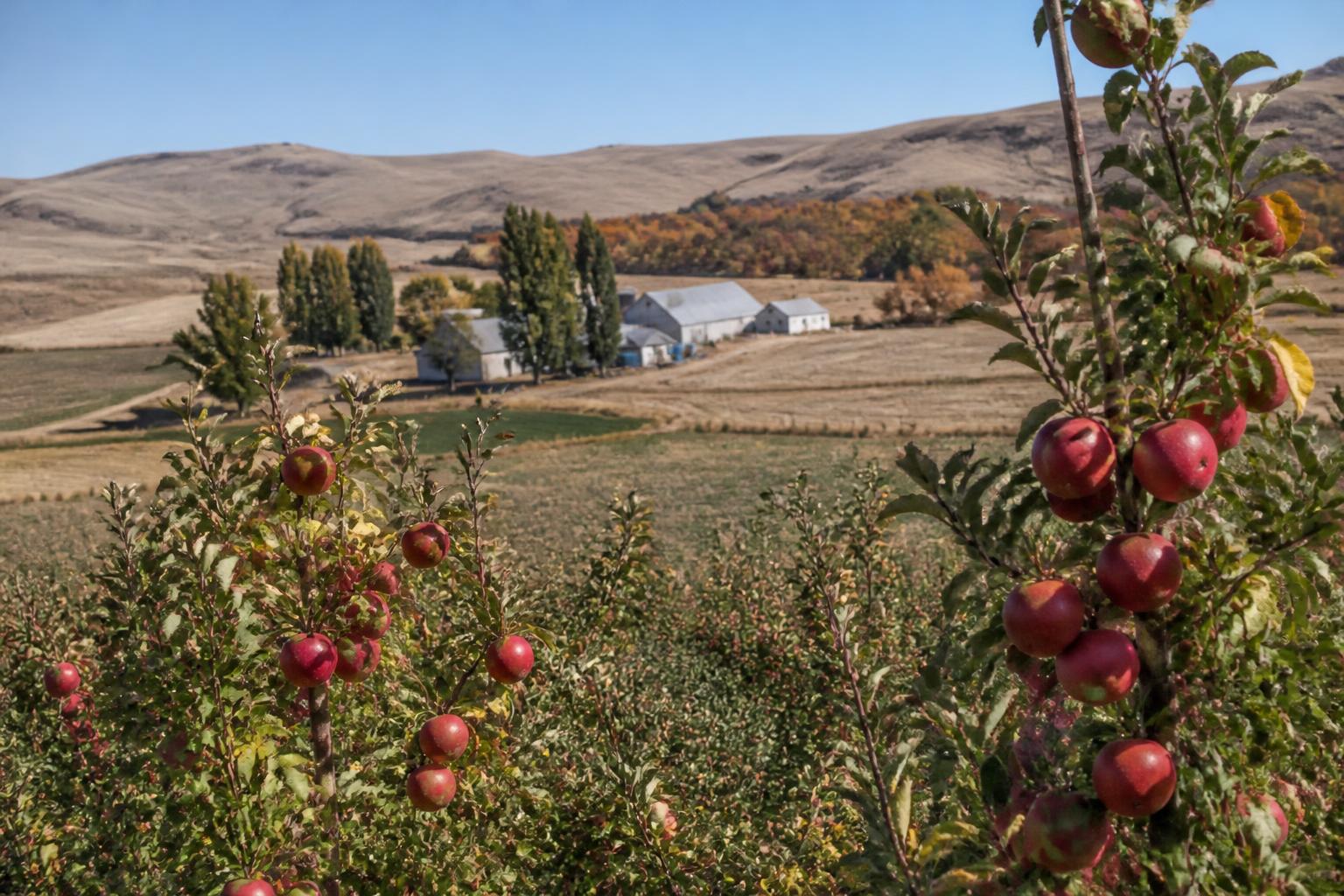
With the 2026 harvest largely in the rearview mirror for many across Idaho, the focus for regional growers has decisively shifted toward off-season planning and inputs. As fields in the Snake River Plain and the Camas Prairie transition into their dormant phase, the conversation among agribusinesses and producers is centering on how to optimize nutrient applications for the coming cycle while balancing tightened budgets.
Managing Input Costs and Supply Constraints
Price sensitivity continues to influence how Idaho operations approach their nutrient needs. For many producers, the challenge lies in securing high-quality inputs without overextending during a period of relative market uncertainty. Producers are weighing the necessity of specific fertilizer formulations against current economic conditions, often looking to fine-tune their precision strategies for the 2026 fall season to ensure every dollar spent contributes directly to yield potential.
Furthermore, broader concerns regarding trade policy and domestic supply availability remain at the forefront. Legislative discussions regarding the farm bill and potential shifts in import duties on critical fertilizers have kept local handlers and cooperatives on high alert. Many are working to navigate Idaho fertilizer procurement amidst high-desert production cycles, where seasonal logistics and weather windows demand precise, early-season coordination.
Soil Health as a Long-Term Hedge
Beyond the immediate focus on synthetic procurement, a growing number of producers are turning toward soil health initiatives as a form of risk mitigation. Integrating cover crops and targeted livestock grazing, particularly in regions like the Camas Prairie, has become a key strategy for enhancing organic matter and improving nutrient retention in the soil profile. These practices not only provide environmental benefits but also serve as a practical hedge against the volatility of the global fertilizer market.
As we move deeper into November, the emphasis remains on strategic resilience. While global trade dynamics and legislative developments in Washington continue to evolve, the local priority remains clear: protecting the viability of Idaho's diverse agricultural sector through cautious, data-informed input management.
What it means for the market
Expect a cautious procurement environment as Idaho producers delay bulk fertilizer commitments until the legislative picture regarding trade duties becomes clearer. Growers are likely to prioritize fields with the highest return on investment, leaning heavily into precision agriculture tools and soil health practices to maximize efficiency. Monitoring new digital tools for Idaho growers will be essential for those looking to shave input costs while maintaining crop quality during the upcoming spring planning window.
Comments
No comments yet - be the first to share your take.