
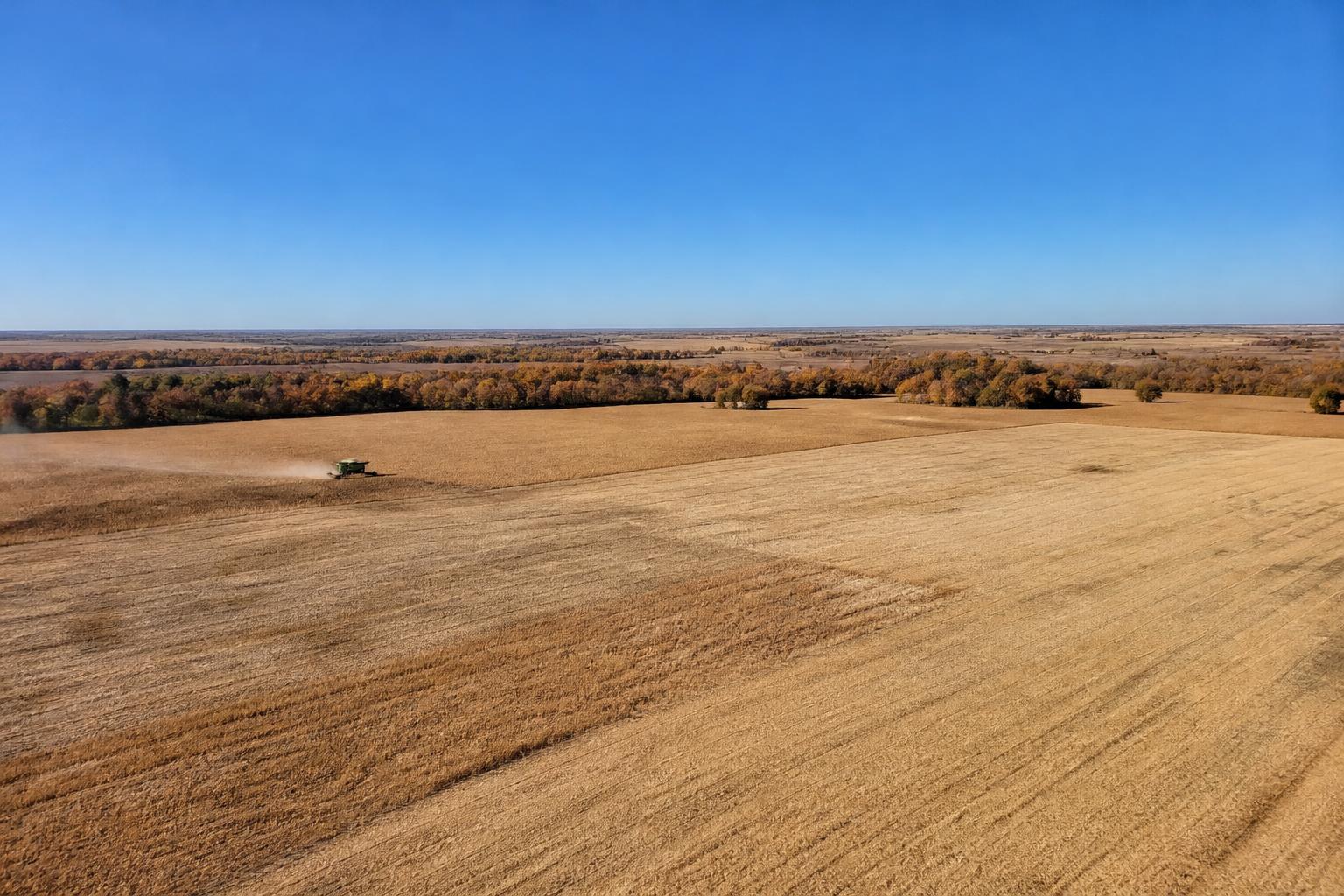
As Kansas producers move through the fall season, attention is shifting toward input procurement and long-term soil management. The agricultural sector across the state continues to manage variables ranging from moisture deficits in winter wheat regions to shifting economic landscapes. Amid these operational hurdles, the federal government has directed new financial attention toward domestic fertilizer production, signaling an effort to enhance supply chain resilience for the region's agribusinesses.
Domestic Fertilizer Infrastructure Gains Momentum
Recent federal initiatives have prioritized significant capital disbursements aimed at expanding U.S.-based fertilizer capacity. For Kansas, this investment represents a notable development in the effort to move away from heavy reliance on imported inputs. By strengthening local and regional production capabilities, stakeholders hope to mitigate some of the supply chain volatility that has historically pressured operational margins during critical planting windows.
For those managing input procurement, this strategic approach to fertilizer planning remains a central theme as the industry seeks to balance immediate cost management with the need for stable, long-term access to essential crop nutrients.
Aligning Inputs with Environmental Realities
Field conditions across the Sunflower State remain varied this autumn. With many areas reporting ongoing moisture stress, producers are exercising caution with their input strategies. Effectively timing the application of nutrients is critical when soil profiles show uneven moisture availability, as it can directly influence both uptake efficiency and final yield potential. Agribusinesses and grain handlers are closely monitoring these trends, noting that the combination of weather-related risks and input pricing makes precision and forward planning more important than ever.
What it means for the market
The combination of federal infrastructure funding and local production expansion suggests a shift toward a more localized supply model, which may offer Kansas farmers greater predictability in the coming seasons. However, in the near term, market participants should continue to emphasize risk management, keeping a close watch on both global fertilizer price movements and regional weather patterns that will dictate the intensity of demand for upcoming spring applications.
Comments
No comments yet - be the first to share your take.