
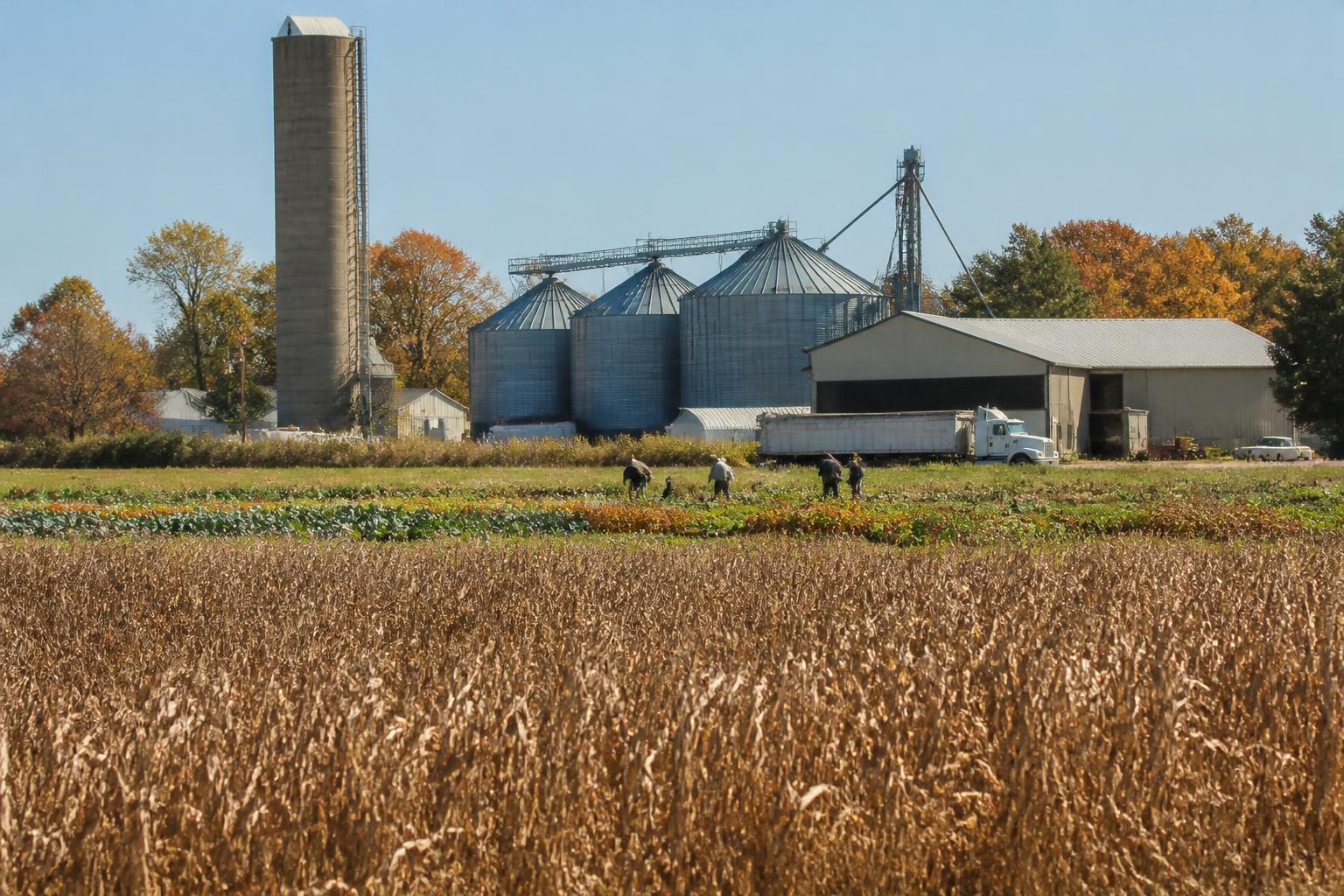
With the fall season in full swing, Georgia farmers are shifting their focus from final harvest activities toward storage and marketing strategies. While regional agricultural output remains a priority, local growers and handlers are navigating a complex logistics environment defined by shifting transportation costs and fluctuating availability.
Navigating Transportation Headwinds
For many Georgia agribusinesses, the movement of grain continues to be sensitive to national rail and barge developments. Recent data suggests that while some core transport rates have experienced downward pressure, record-level fuel surcharges remain a significant variable for carriers and shippers alike. This volatility often forces producers to carefully time their grain sales to align with available logistics windows, particularly as the demand for transit space remains competitive across regional hubs.
Operational Efficiency in the Field
As logistics remain front-of-mind, maintaining smooth agricultural traffic flow is essential for minimizing downtime during the tail end of the season. Producers should keep a close eye on regional basis levels and local storage options, as fluctuations in cash bids often reflect broader national transport challenges. For those managing long-distance haulage, coordinating with carriers ahead of demand spikes can help mitigate the impact of current fuel-driven cost pressures.
Key Takeaways
- Monitor regional basis shifts closely as local storage becomes a critical factor.
- Factor record-high fuel surcharges into your breakeven analysis for grain transport.
- Prioritize communication with rail and trucking partners to navigate current dwell times and availability concerns.
What it means for the market
The current market environment underscores a need for agility in how Georgia farmers move their commodities. By staying informed on the interplay between national shipping rates and local supply availability, producers can better position their grain for sale despite the prevailing logistics headwinds. As the season progresses, disciplined management of transport costs will be a key differentiator for operational profitability.
Comments
No comments yet - be the first to share your take.