
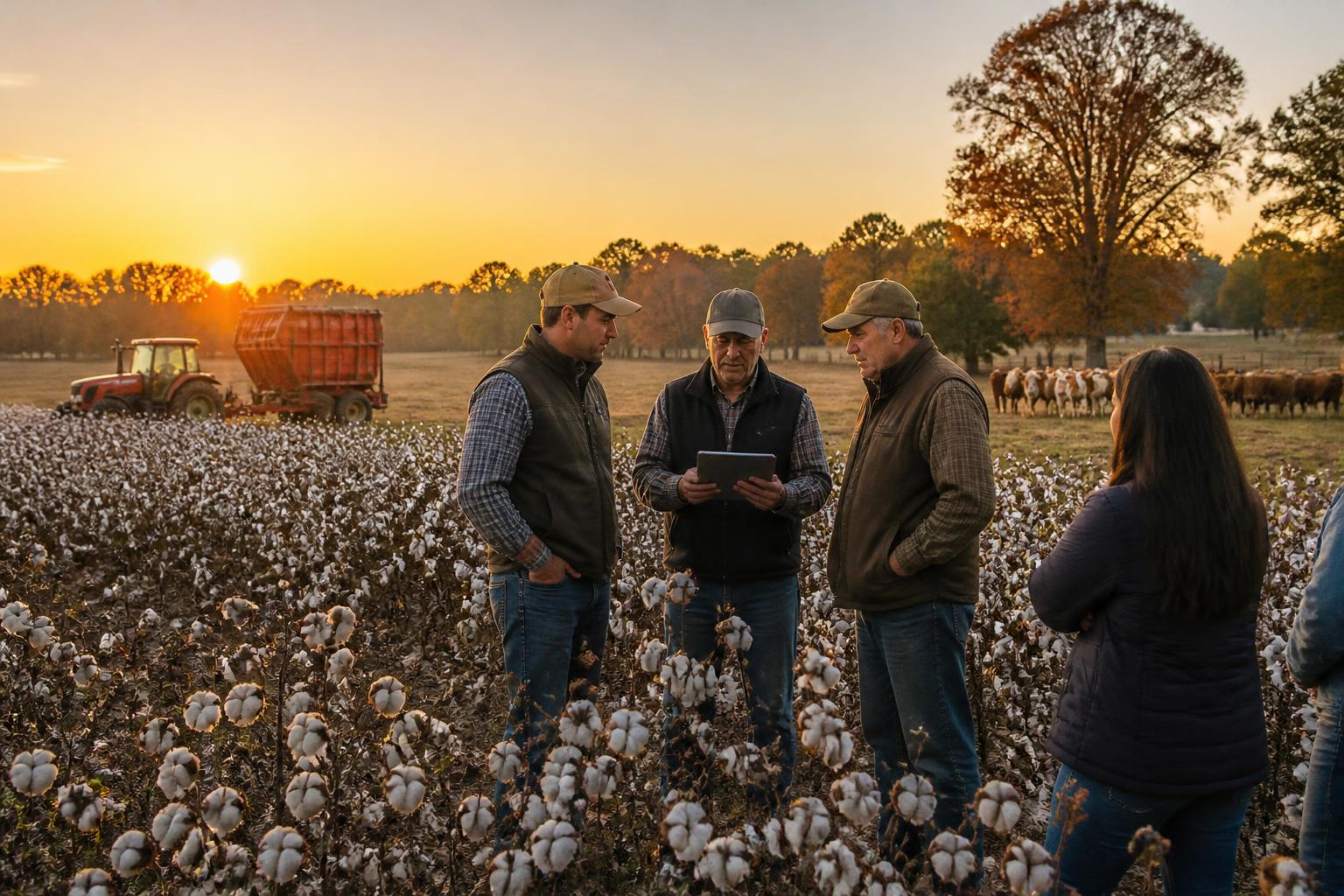
As the fall harvest moves into full swing across Georgia, the intersection of infrastructure development and regulatory oversight continues to shape how commodities and inputs move throughout the state. For many producers, logistics remain a primary concern, as regional transport networks adjust to handle current harvest volumes while navigating long-standing weight and efficiency discussions.
The Pulse of Georgia Ag Infrastructure
Infrastructure resilience remains a priority for agribusinesses, particularly when considering the broader logistical demands and input costs that define the modern Georgia farming cycle. As the state evaluates potential changes to truck weight regulations and transport requirements, carriers and grain handlers are closely monitoring how these policies might influence the flow of goods from field to port. The goal is often to maintain a balance between road longevity and the practical necessity of efficient, high-volume agricultural transport.
Regulatory Oversight and Market Flux
Beyond the physical movement of crops, producers are tracking legislative activity that could impact day-to-day operations. Recent discussions among state lawmakers regarding land use and environmental management—such as the oversight of soil amendments—suggest a more complex regulatory environment on the horizon. Meanwhile, the broader agricultural economy is managing external pressures, including the ongoing impact of fuel costs on transport margins, which remain a significant factor in the bottom line for many operations.
What it means for the market
For those involved in the Georgia supply chain, the coming months will likely require a strategic approach to navigating these infrastructure shifts. Staying informed on legislative developments and planning for potential adjustments in transport capacity will be essential for managing the cost-efficiency of the season. As the market stabilizes following the primary harvest windows, focus will naturally shift toward securing logistics for the next planting cycle and managing regional storage availability.
Comments
No comments yet - be the first to share your take.