
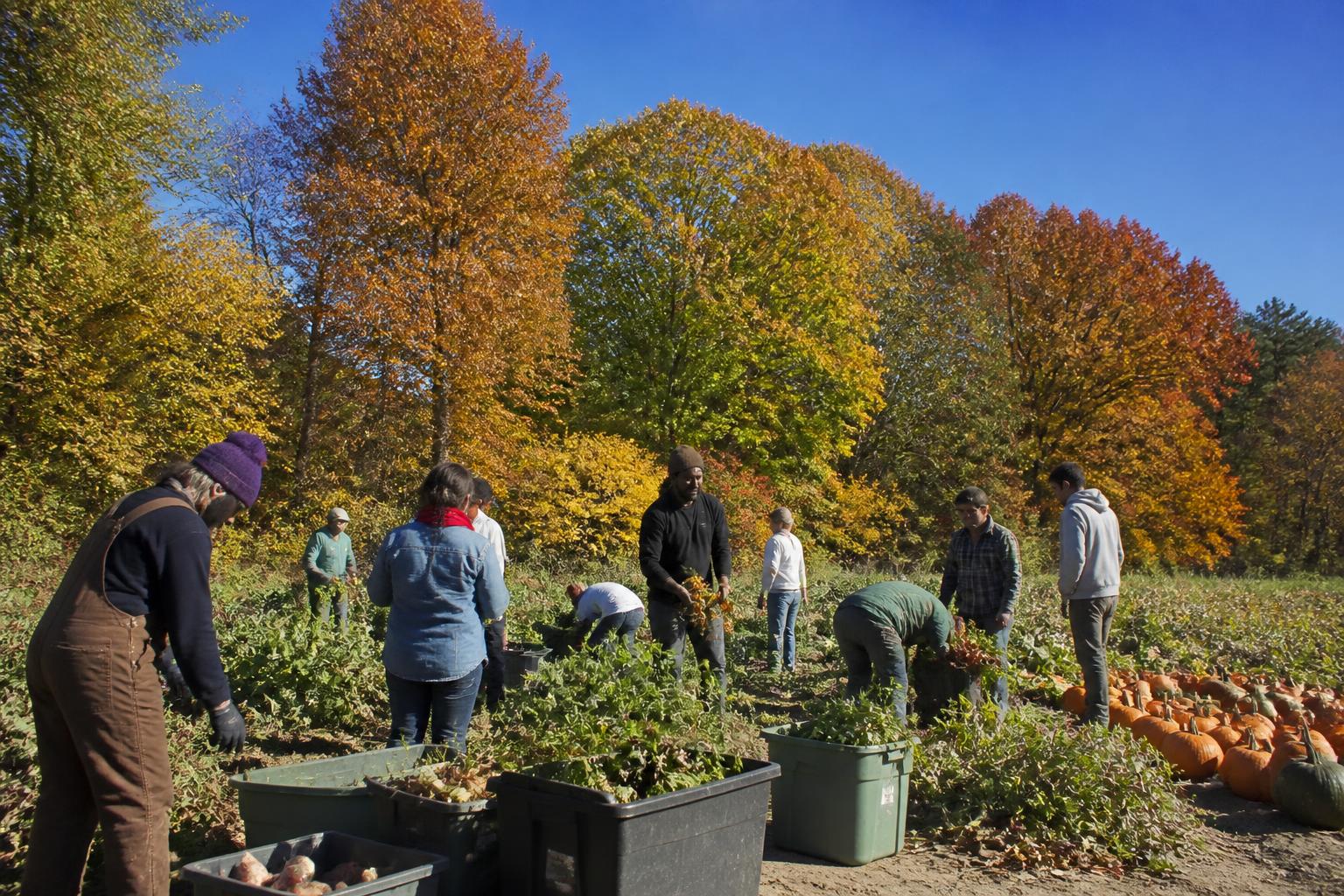
With the harvest season well underway across Maryland, the focus for many farmers has shifted from the field to the critical task of managing grain flow and storage. Ensuring that harvested crops move efficiently from local fields to elevators is a priority, especially as logistics operations intensify to accommodate volume during the fall window. Producers throughout the state, from the Eastern Shore to Western Maryland, are closely monitoring transport capacity to maintain steady movement throughout the supply chain.
Prioritizing Safety During Bin Management
As grain bins reach capacity, safety remains a paramount concern for all Maryland agribusinesses. The risk associated with grain storage necessitates ongoing vigilance, and recent efforts to equip local emergency responders with specialized grain entrapment tools and rescue training have provided a necessary layer of support for the agricultural community. Farmers are encouraged to review safety protocols for bin entry and handling, particularly when managing grain that may be prone to bridging or crusting as temperatures fluctuate during the transition into winter.
Integrating Regional Logistics and Market Outreach
For those navigating the complexities of the current market, staying connected to local operational updates is essential. Efficient coordination during the late-season window can help mitigate potential delays at receiving facilities. Furthermore, the broader agricultural dialogue in the state continues to highlight the intersection of traditional farming, environmental stewardship, and the evolving needs of community-based agriculture, as seen in recent support for urban and community farming initiatives across the region.
What it means for the market
Producers should remain focused on safe, efficient throughput to minimize downtime. With logistics pipelines currently active, maintaining clear communication with grain handlers and ensuring that all on-farm safety equipment is accessible and inspected can help prevent disruptions and ensure a smoother close to the fall season.
Comments
No comments yet - be the first to share your take.