
Optimizing Field Turnaround in a Compressed Window
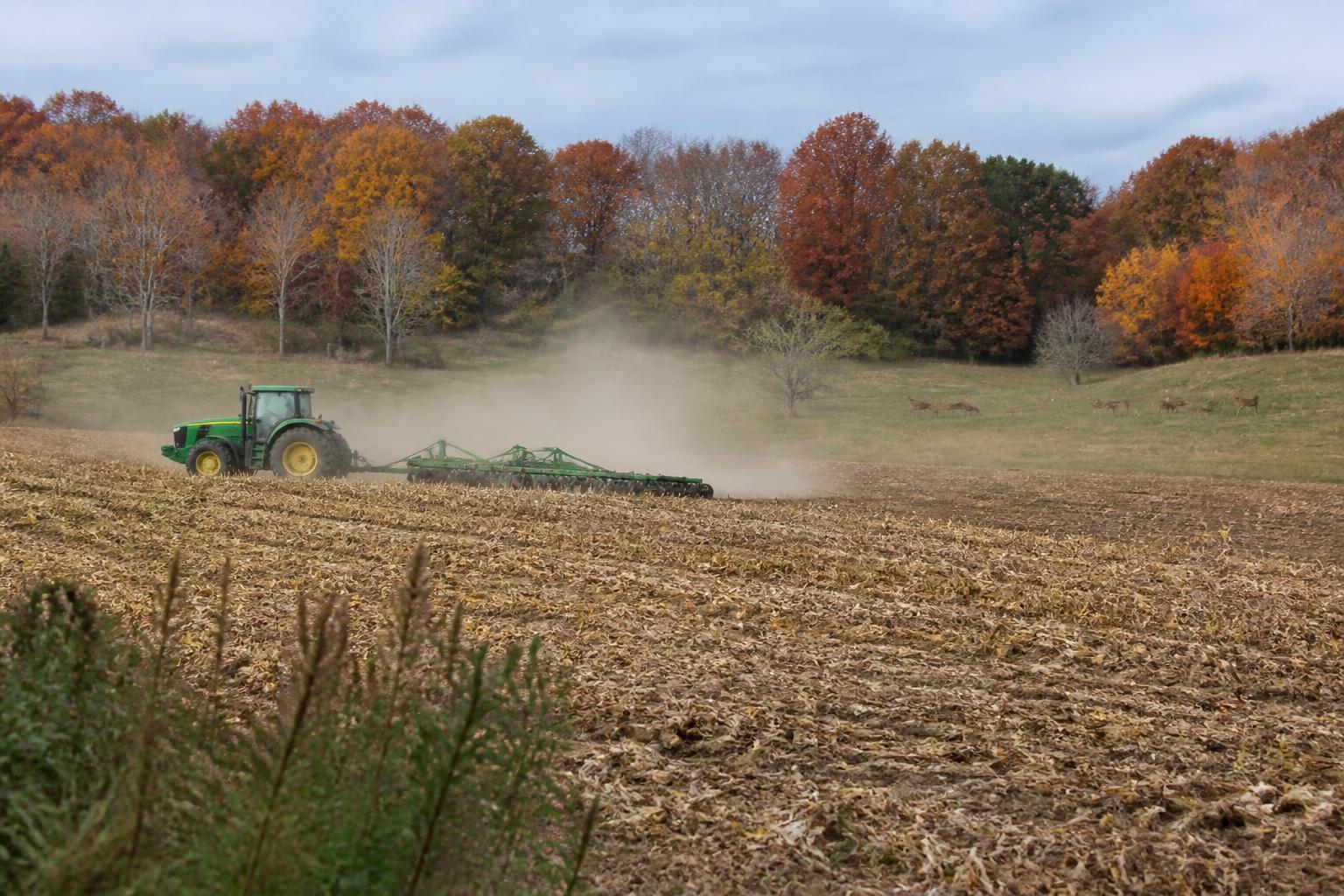
For Maryland growers, the transition from harvest to winter field management is in full swing. Navigating the logistics of grain transport while simultaneously prepping for cover crop establishment often requires a delicate balance of machinery movement and labor allocation. As the season progresses, farmers across counties from the Eastern Shore to the Piedmont region are working to clear fields efficiently to meet soil health objectives before winter dormancy sets in.
With the Maryland Department of Agriculture extending deadlines for the state cover crop program, producers have been afforded additional flexibility to manage these overlapping tasks. This regulatory adjustment is particularly timely for operations balancing the logistical complexities of the late harvest window and the need to protect soil integrity during the colder months.
Managing On-Farm Grain Flow
Efficiently moving product from the field to storage or local elevators remains a priority as the fall window closes. For many, the ability to streamline grain logistics and manage variable costs is critical to maintaining margins. Whether utilizing on-farm storage to hedge against seasonal traffic at regional ports or coordinating with commercial carriers, the current period demands strict attention to transport bottlenecks and timely vehicle maintenance to prevent downtime on narrow rural corridors.
Wildlife Pressure and Infrastructure Needs
Beyond logistics, farmers continue to report ongoing challenges with wildlife interference, particularly deer damage, which can complicate yield estimations and field management planning. Balancing these persistent environmental hurdles alongside infrastructure proposals, such as new transmission lines that may intersect active farmland, requires a proactive approach to land management and community engagement. Staying informed on these local developments is essential for protecting both current yields and long-term land productivity.
What it means for the market
The convergence of extended cover crop deadlines and peak harvest activity provides a temporary reprieve for producers, allowing for more orderly field transitions. While market access and logistics remain fluid, the flexibility in state programs supports better land stewardship without forcing compromised harvest timing. For agribusinesses and carriers, this shift suggests a potentially smoother, albeit sustained, flow of grain as farmers utilize the extended window to complete their late-season operations effectively.
Comments
No comments yet - be the first to share your take.