
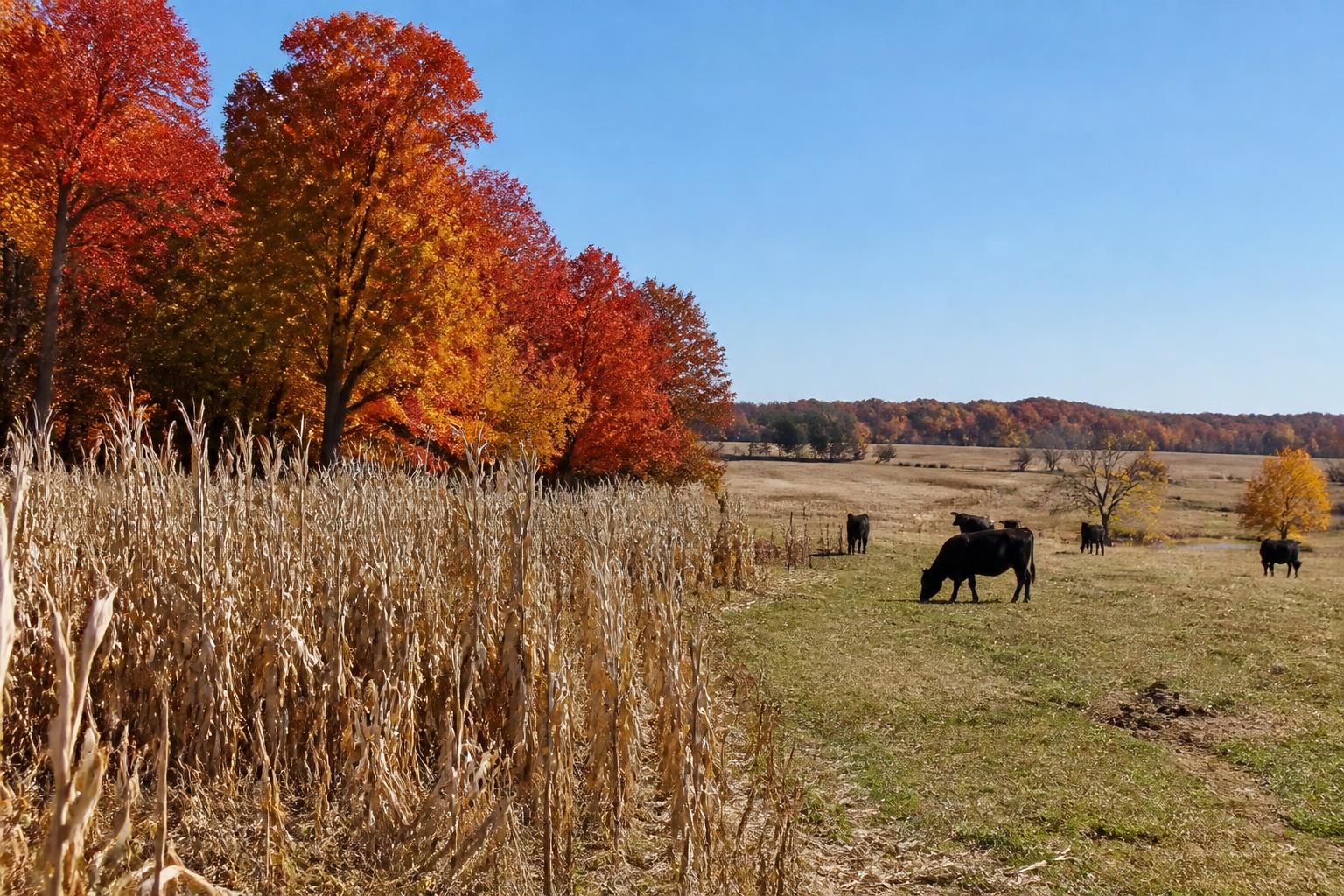
Nebraska producers are currently managing a complex market environment as the fall season moves toward its close. With persistent dry conditions influencing local agricultural landscapes, the focus has shifted toward securing vital feed resources and adjusting management plans to account for constrained supplies. For livestock operators, the ongoing volatility in both the feeder cattle market and regional feed availability remains a primary concern as winter approaches.
As operators across the state, from the northern ranges to the southern pivots, evaluate their options, data-driven decision-making is becoming increasingly essential. Producers are often finding that they must adapt to tighter margins by reconsidering their input strategies and monitoring regional basis levels, which can fluctuate significantly due to local logistics and regional supply imbalances.
Managing Resource Constraints
The impact of persistent dry weather on local feed stocks has forced many to prioritize inventory management. For those balancing livestock needs with grain production, the ability to source supplemental feed efficiently is critical. In some parts of the state, logistical challenges, including ongoing efforts to address transportation and supply chain hurdles, continue to shape how inputs reach the farm gate. Ensuring access to reliable transport and timely delivery remains a key factor for maintaining operation continuity.
Data and Operational Planning
Beyond immediate logistical concerns, many growers are reassessing the role of federal reporting and data accuracy in their planning. Recent discussions regarding industry benchmarks emphasize the importance of maintaining trust in reported figures to better anticipate market movements. Whether it is evaluating long-term crop projections or planning for the next planting cycle, producers are increasingly looking for ways to streamline their processes and reduce waste, sometimes turning to precision-based technologies to help buffer against environmental uncertainty.
Key Takeaways:
- Feed Tightness: Dry conditions have tightened local supplies, necessitating proactive procurement strategies.
- Market Precision: With slim margins, monitoring local grain basis and feeder cattle auction trends is vital for profitability.
- Logistical Awareness: Continued communication with local transporters is recommended to navigate potential bottlenecks during the final months of the year.
What it means for the market
The Nebraska market is entering a period where resilience is defined by agility. By keeping a close eye on regional feed supplies and staying informed on local market trends, producers can better position themselves to mitigate the risks of a challenging season. Success in this environment often requires a commitment to both operational efficiency and a willingness to adjust traditional management practices to better suit the prevailing realities on the ground.
Comments
No comments yet - be the first to share your take.