
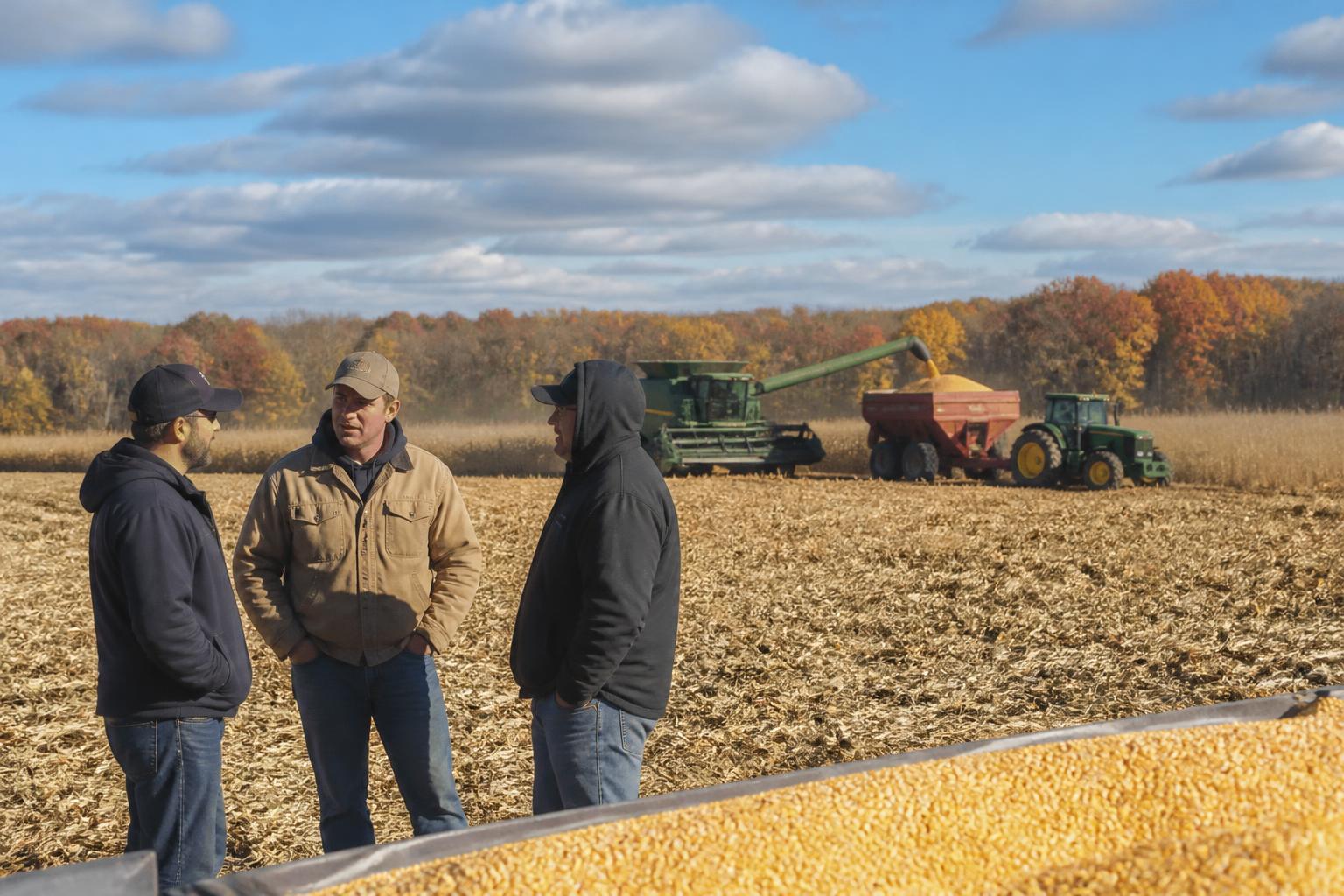
As the fall season progresses, Mississippi grain producers are navigating a period of significant operational focus. With the harvest cycle largely behind us and eyes shifting toward next year, a key administrative deadline approaches: grain producers have until March 1 to formally opt out of the state’s grain protection fund. Participation in these programs is often viewed as a cornerstone of risk management, yet farmers are encouraged to review their individual coverage needs to ensure their financial protection strategies align with current market realities.
Risk Management and Supply Chain Stability
The agricultural sector remains hyper-aware of broader supply chain vulnerabilities. Recent industrial incidents, including local chemical plant disruptions, have highlighted the importance of maintaining robust contingency plans for input sourcing. When unexpected events impact regional infrastructure, the ability to source essential supplies efficiently becomes a critical factor for maintaining farm gate profitability.
For producers in the Delta and across the state, managing agricultural inputs effectively is essential to mitigating the impact of broader market shifts. Proactive planning is particularly relevant as logistics networks continue to adapt to changing conditions along the Mississippi River. Effective management of these supplies is a common theme for maintaining a competitive edge in an unpredictable environment.
Logistical Considerations
Beyond administrative deadlines, the movement of grain continues to be influenced by regional logistical factors. Producers often look to navigating November logistics and crop protection strategies as they finalize their storage and transport plans for the remainder of the year. Monitoring barge rate trends—which can fluctuate significantly between regions like the Cairo-Memphis corridor and the upper reaches of the Mississippi River—remains a standard practice for many grain handlers and shippers aiming to optimize margins.
What it means for the market
For Mississippi farmers and agribusinesses, the message is clear: prioritize administrative compliance alongside logistical planning. As the March 1 deadline for the grain protection fund approaches, producers should audit their financial safeguards. Simultaneously, maintaining flexibility in your supply chain—whether dealing with inputs or grain transport—remains the most effective way to weather potential local or systemic market disruptions as we close out the calendar year.
Comments
No comments yet - be the first to share your take.