
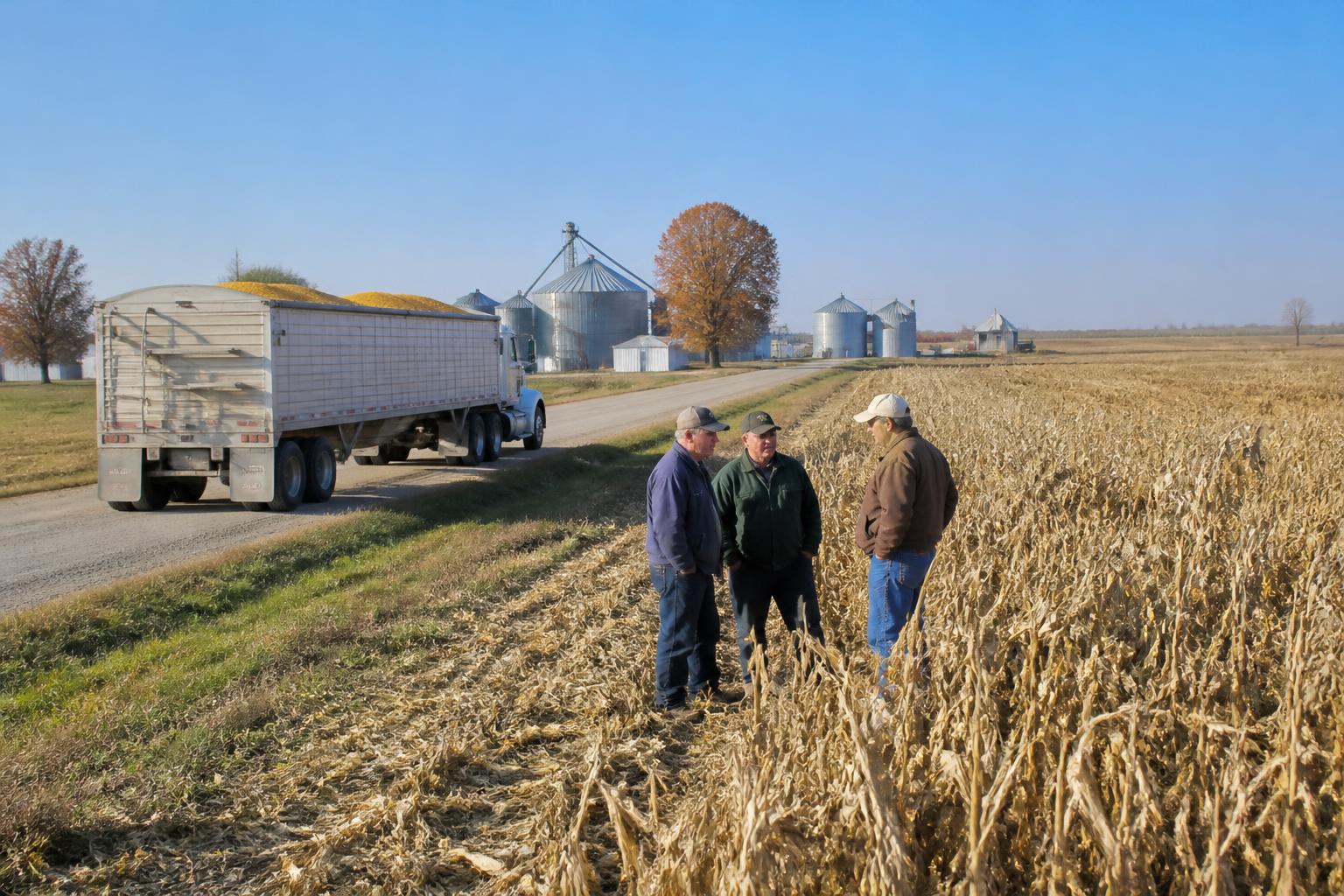
As Kansas producers move through the final stages of the fall season, the focus is shifting toward financial preparation for the upcoming year. With market volatility remaining a constant concern, many agribusinesses and farmers are re-evaluating their strategies for managing crop protection and input investments. Balancing these costs against unpredictable yields is a recurring challenge that requires careful attention to detail.
For those navigating the current economic climate, understanding the broader context of agricultural policy and supply chain shifts is essential. Whether you are managing variable yields and resource pressures or adjusting your approach to fall fertilizer planning, staying informed is critical for protecting the bottom line.
Evaluating Strategic Inputs
In various regions of Kansas, farmers are exploring new ways to manage soil health and operational revenue. From investigating specialized crop varieties to considering alternative cover crops, the goal is to optimize performance while mitigating risk. As input prices continue to fluctuate, prioritizing investments that offer the highest potential return on investment remains the most practical strategy for local operations.
Logistics and Market Realities
The movement of grain and the arrival of necessary inputs are heavily influenced by broader logistics networks. In a state as reliant on efficient transportation as Kansas, any disruption or shift in regional logistics can have cascading effects on individual farm profitability. Keeping a close watch on infrastructure developments, such as advancements in regional logistics parks, helps farmers and grain handlers better prepare for seasonal capacity constraints.
What it means for the market
Farmers should remain cautious and strategic as they head into the winter planning period. With the current political and economic landscape evolving, relying on data-driven decision-making and maintaining flexible input budgets will be vital for long-term viability. Focus on securing necessary supplies early and monitoring local yield data to ensure your operation is positioned to handle potential volatility in the coming season.
Comments
No comments yet - be the first to share your take.