
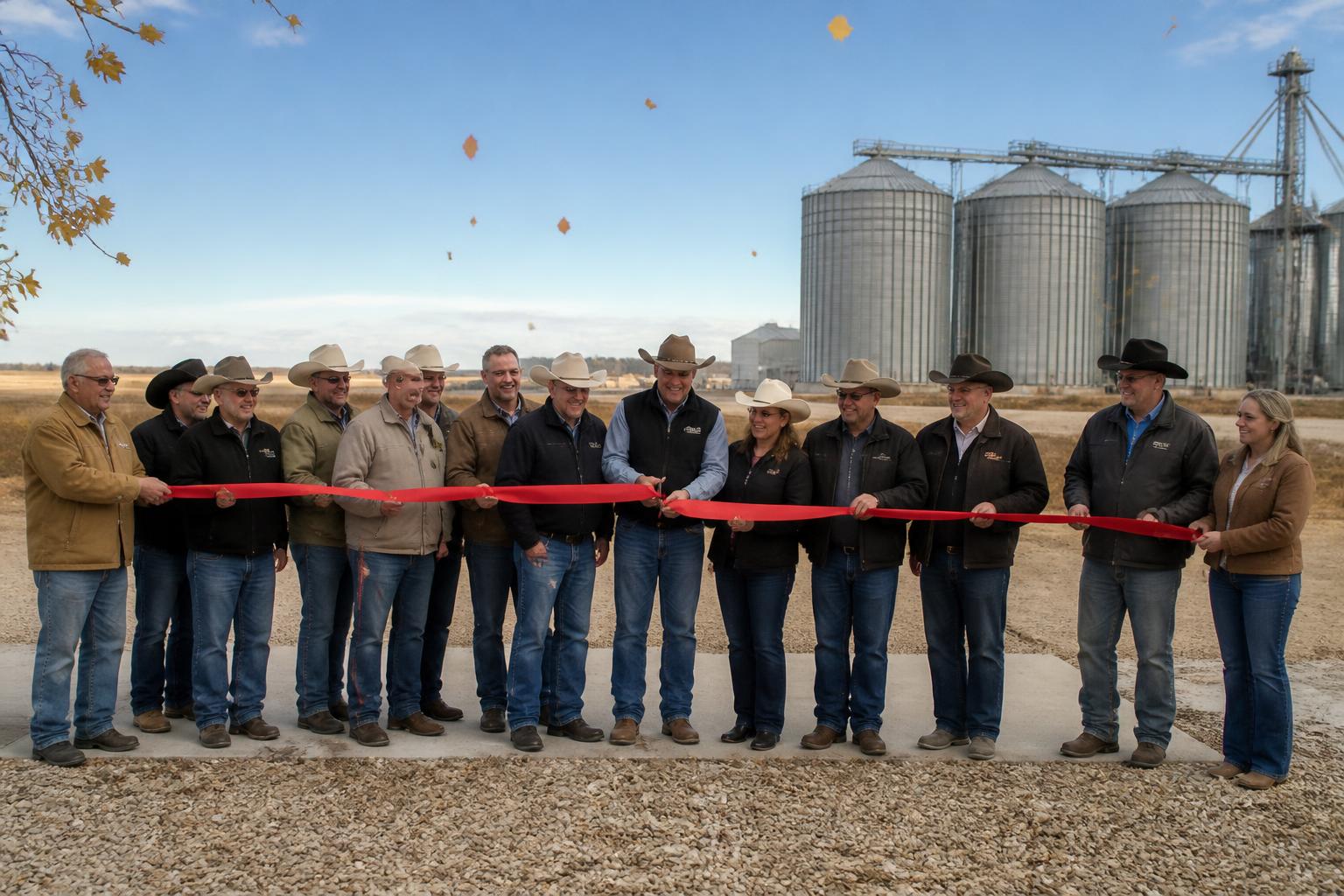
Texas agriculture continues to show resilience as regional infrastructure gains momentum. Recent developments, including the inauguration of new grain handling facilities in the Panhandle, highlight a ongoing commitment to streamlining Texas grain logistics. For farmers in Dalhart and surrounding counties, expanded storage capacity often provides a critical buffer during high-volume harvest periods, potentially reducing local bottlenecks that can complicate transport timelines.
Boosting Local Processing Power
Beyond grain handling, the state is seeing significant movement in the livestock sector. A recent infusion of federal support for a new meat processing plant underscores a push toward increasing local value-added capabilities. Projects like these often help stabilize supply chains by creating more localized options for ranchers, which can be essential when navigating the complexities of regional and national regulatory and resource challenges.
Strengthening Regional Resilience
As we navigate the current fall season, these infrastructure updates are timely for producers managing the transition from harvest to winter storage. Reliable access to both storage and processing remains a cornerstone for maintaining farm profitability. Industry participants should keep a close eye on how these new nodes in the network impact seasonal throughput, as they often play a pivotal role in protecting profits by optimizing input and output management during peak operational windows.
Key Takeaways
- New facility launches in the Panhandle offer improved grain storage options for local producers.
- Federal investment in meat processing capacity supports vertical integration for Texas ranchers.
- Strategic infrastructure growth continues to be a primary focus for long-term regional stability.
What it means for the market
The expansion of both storage and processing assets signals a long-term investment in Texas agriculture's self-sufficiency. For grain handlers and ranchers, these developments may lead to more predictable movement of commodities, potentially easing some of the traditional pressure points that impact local basis and transport efficiency during the busiest months of the year.
Comments
No comments yet - be the first to share your take.