
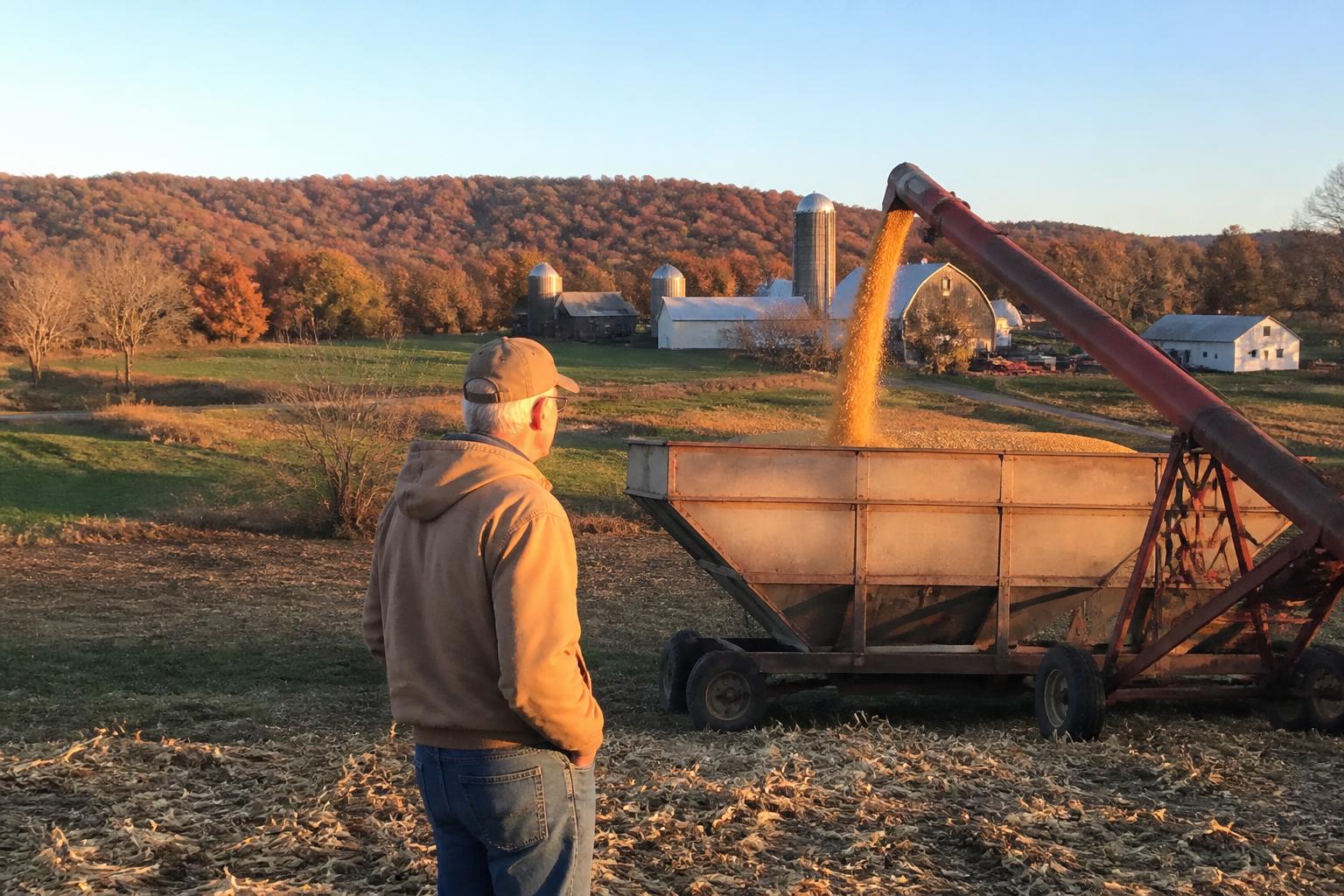
As the fall harvest season concludes across Pennsylvania, producers are shifting their focus toward stabilizing operational budgets for the coming cycle. Recent reports indicate that agricultural finances face ongoing strain as the costs for essential inputs, particularly diesel and fertilizers, continue to impact profit margins. These economic pressures are causing many operators to re-evaluate their long-term financial strategies to ensure both short-term solvency and structural viability.
For those managing diverse operations, balancing high overhead with unpredictable market returns has become a central challenge. The intersection of global market trends and local, on-farm economics is forcing a more granular approach to expenditure. Farmers are increasingly turning to strategic planning to navigate the complexities of shifting land-use pressures and sustainable transitions, ensuring that current assets remain productive despite macroeconomic headwinds.
Managing Risk in a Volatile Climate
The state has seen significant variability in environmental conditions, which complicates the risk assessment process. Recent volatility has placed a premium on robust insurance strategies and yield protection. Producers are encouraged to review federal programs such as Whole-Farm Revenue Protection, which can provide a necessary safety net against the broad financial risks inherent in modern farming. By diversifying revenue streams or incorporating renewable energy infrastructure, some growers are attempting to hedge against the volatility of traditional commodity markets.
Input Efficiency and Operational Strategy
With fertilizer and fuel costs remaining a top concern, the priority for many agribusinesses is maximizing nutrient efficiency and logistical throughput. While the temptation to cut back on inputs is high, regional experts suggest that precision application remains the most effective path to protecting yields without incurring excessive waste. Managing soil health effectively during the post-harvest period can offer a modest buffer against the inflationary costs that continue to squeeze margins across the Commonwealth.
What it means for the market
The current market environment underscores a period of heightened caution. As Pennsylvania producers look toward the next planning window, the emphasis remains on cost control and risk mitigation. For elevators, carriers, and input suppliers, this trend suggests a potential tightening in demand for high-cost inputs, coupled with a growing interest in flexible, efficiency-driven solutions. Maintaining a disciplined financial outlook and leveraging available state and federal resources will be critical as the industry prepares for the 2027 season.
Comments
No comments yet - be the first to share your take.