
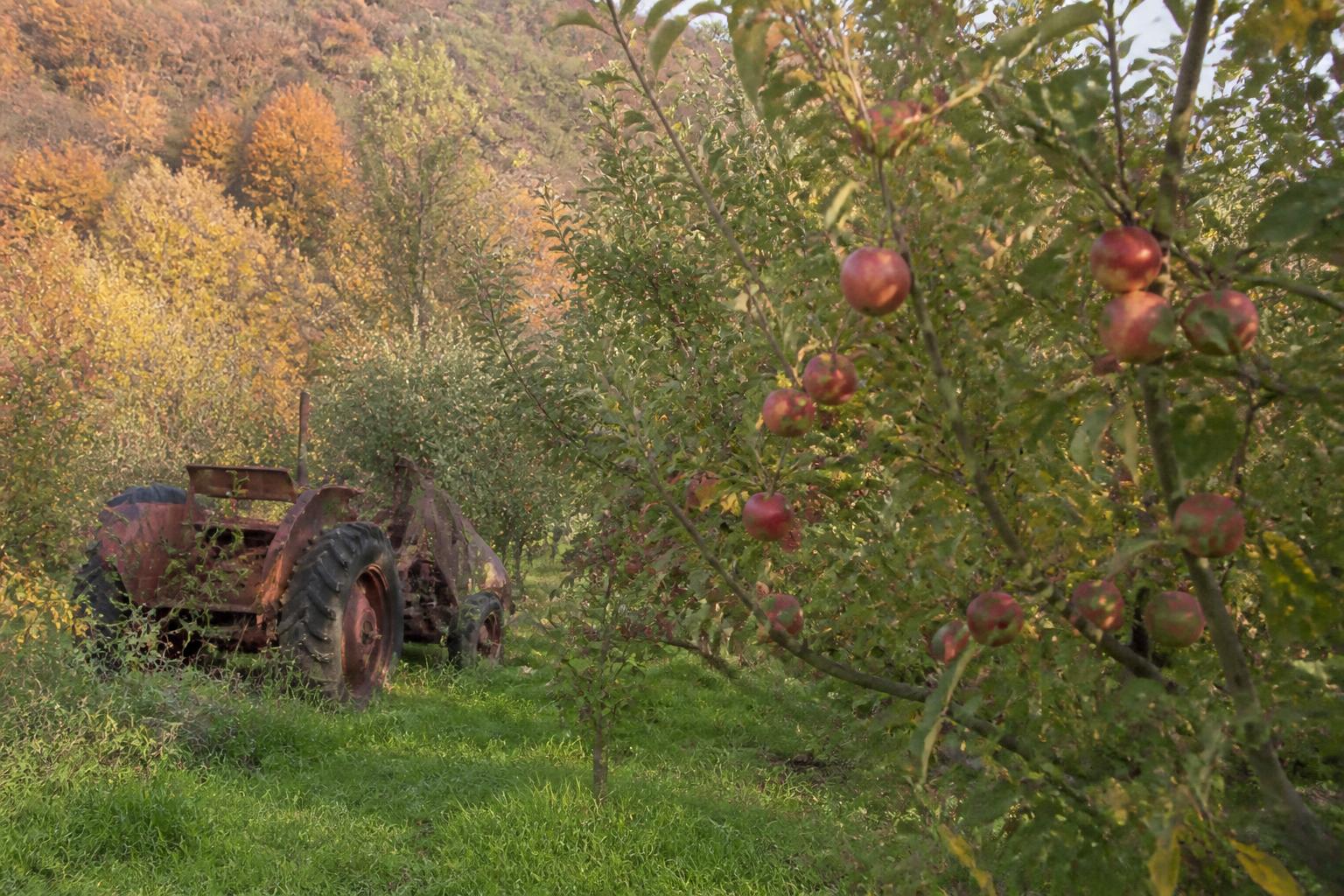
The Path Forward for Pennsylvania Farmers
As the fall season progresses across Pennsylvania, the agricultural community is navigating a complex landscape defined by both structural shifts and environmental recovery. Producers are increasingly looking at long-term resilience, especially as infrastructure investments and sustainability initiatives become central to maintaining competitiveness. For many, the focus is not just on current yields but on securing the future viability of their operations against a backdrop of aging farm ownership and shifting industry expectations.
This evolution requires a careful balancing act. Whether producers are managing dairy expansion projects to meet growing processing demands or implementing new waste-to-energy technologies, the emphasis is on efficiency. Modernizing operations is no longer just an operational upgrade; it is a necessary pivot for farms aiming to remain profitable in a tightening market.
Adapting to Environmental and Economic Headwinds
The state has seen significant efforts to support growers following recent climate-related setbacks, particularly among fruit producers who faced spring freeze events earlier this year. Government-backed disaster relief and recovery programs are playing a critical role in stabilizing these businesses. Simultaneously, the state is seeing increased interest in diversifying income streams, with many operations exploring sustainable fertilizer management and value-added processing to insulate their bottom lines from volatile input costs.
Logistics remain a persistent concern. As harvest activities wrap up, the focus shifts to rural road safety and transportation efficiency. Producers are encouraged to maintain vigilance during the final transport pushes of the season, ensuring that equipment is visible and road-use protocols are followed, particularly as traffic patterns fluctuate with the changing seasons.
Building Operational Resilience
The broader conversation across the Keystone State revolves around ensuring that the next generation of farmers can inherit an industry that is both sustainable and capable of growth. From addressing the costs associated with specialized custom services to integrating new technologies for resource management, the current market climate rewards those who prioritize long-term planning.
What it means for the market
For the Pennsylvania market, the takeaway is clear: stability is tied to adaptability. Agribusinesses and producers who can integrate modern sustainable practices and navigate the changing demographic landscape will be better positioned to handle future challenges. Continued investment in processing and infrastructure is essential to ensuring that local production can meet the rising demand for dairy and other core regional commodities, ultimately strengthening the state's agricultural foundation.
Comments
No comments yet - be the first to share your take.