
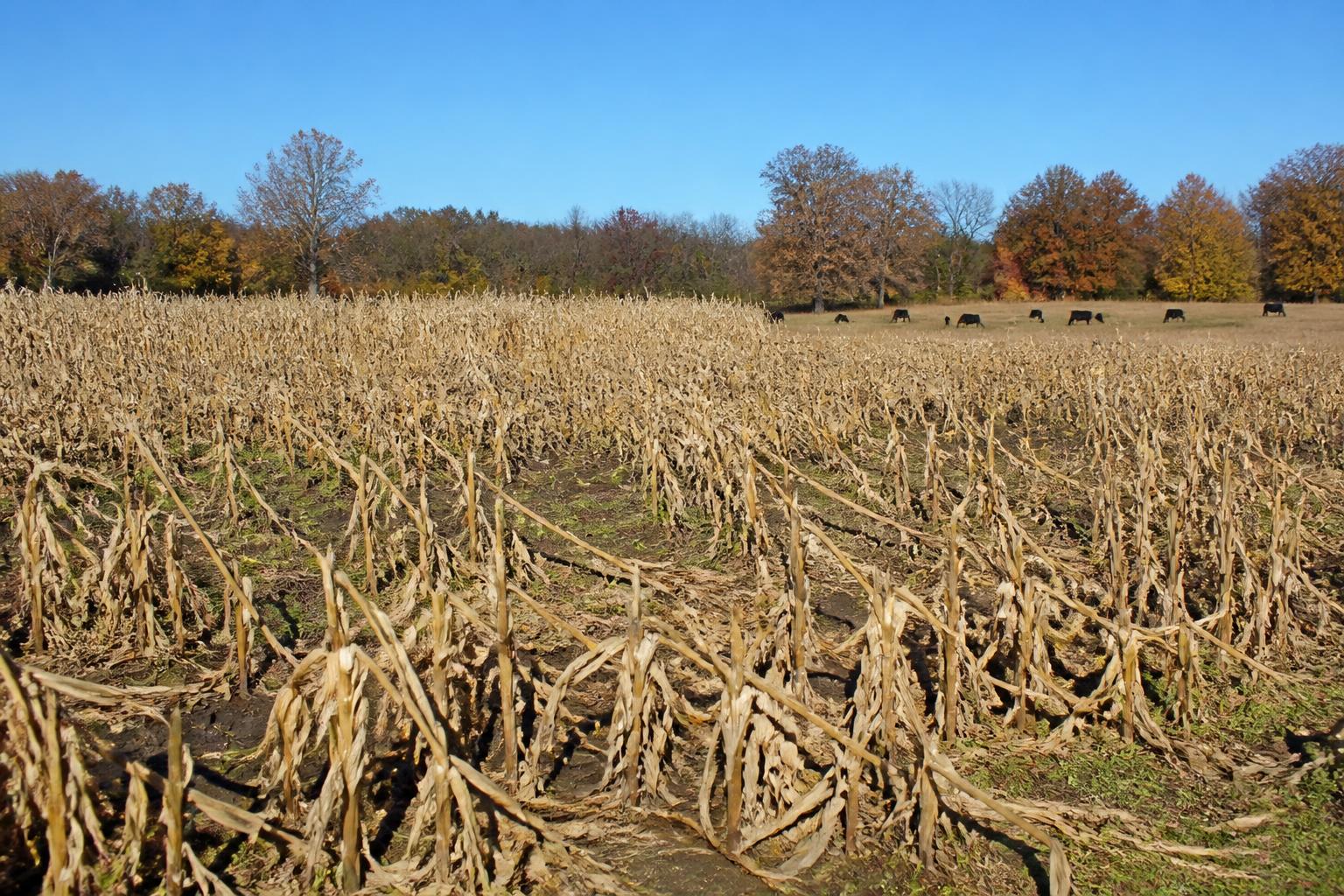
Missouri producers are currently navigating a challenging window in the late-season harvest as persistent heavy rainfall moves through the state. The moisture has temporarily stalled fieldwork in several regions, particularly across the northwest, forcing many elevators and grain handlers to manage the logistics of uneven crop quality and field access as operations resume.
Managing Crop Quality and Storage
With harvest timelines pushed by weather interruptions, the priority for many Missouri farmers has shifted toward balancing speed with quality preservation. Managing moisture content remains critical as producers return to the field, and some handlers have noted that lower-quality grain, which might not meet premium specifications, could potentially be repurposed as cattle feed options in some local systems. This strategy may provide a necessary outlet for affected bushels as storage capacity becomes a key point of discussion during the busy autumn cycle.
Logistics in the Field
As harvest activity regains momentum, regional transport remains a critical variable. Producers are encouraged to keep a close watch on storage constraints and maintain communication with local buyers to adjust for any potential drying requirements or grade adjustments. The combination of variable yield outcomes and weather-related delays underscores the importance of staying current on local basis movements and terminal throughput capacity throughout November.
What it means for the market
The recent weather-driven disruptions in Missouri highlight the tight margins between a standard harvest season and one impacted by climate volatility. For agribusinesses and producers, the current environment necessitates a highly adaptable approach to grain marketing and inventory management, as quality issues in late-harvested crops may influence regional price spreads in the coming weeks.
Comments
No comments yet - be the first to share your take.