
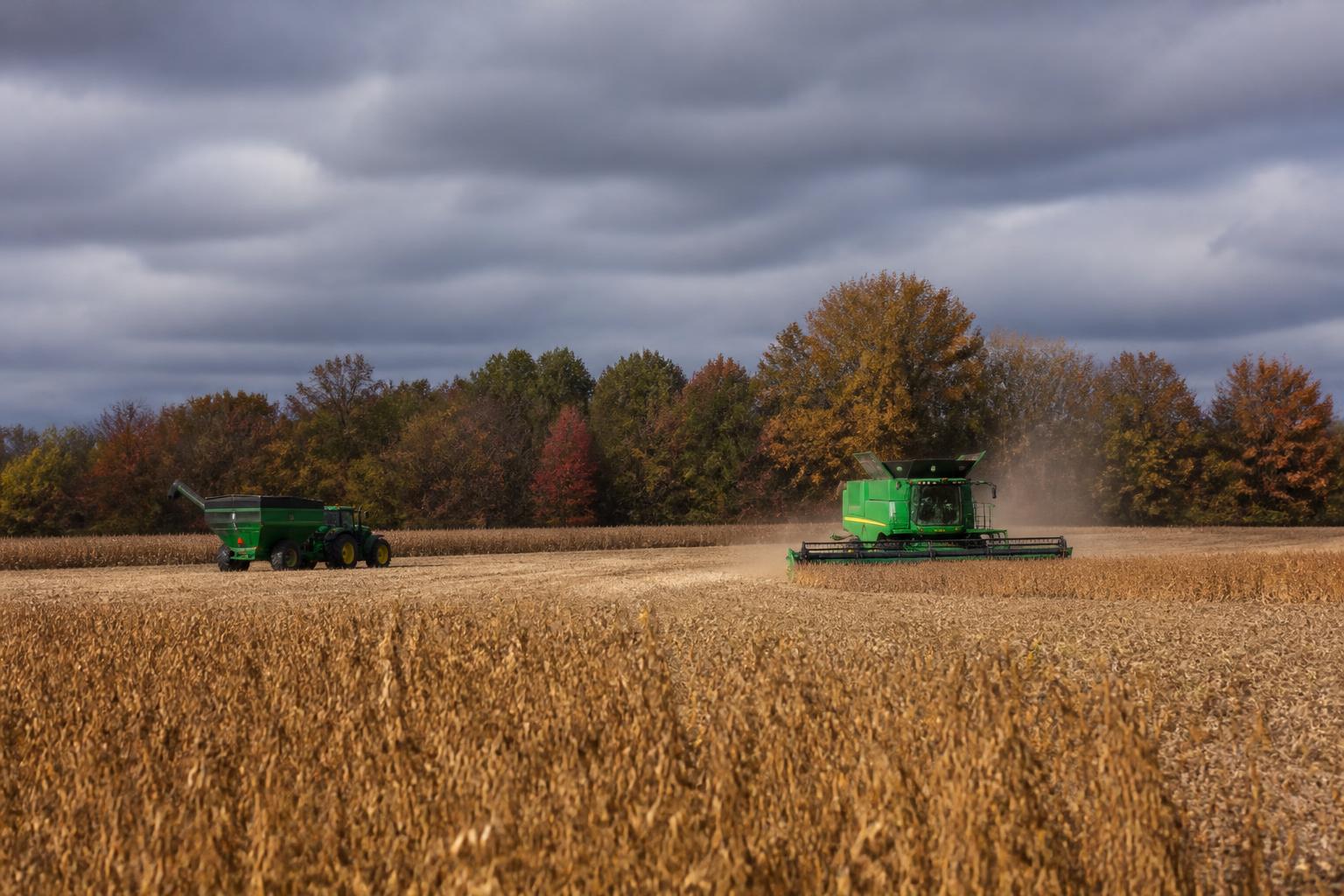
The fall harvest is in full swing across Missouri, bringing a mix of relief and logistical challenges for producers. While recent reports indicate that many corn yields have managed to exceed initial expectations, farmers continue to grapple with high levels of field-to-field variability. This inconsistency often complicates on-farm storage planning and pushes producers to prioritize grain movement to local elevators more aggressively than in previous years.
Efficient infrastructure adaptations remain critical as combines push through remaining acreage. For many Missouri operations, the current season has been marked by a need for agility, particularly as grain marketing lags behind the physical pace of the harvest. This lag often reflects a wait-and-see approach as producers evaluate local basis levels and global market signals.
Managing Field Risks and Infrastructure
Beyond the immediate logistics of the harvest, Missouri farmers are turning their attention to post-harvest field management. Fall fertilizer applications are currently underway in several regions, a necessary step that often requires balancing soil conditions with narrow windows of opportunity. Protecting the integrity of the soil and ensuring efficient input distribution are top priorities for those looking ahead to the next growing season, even as the current crop protection and field risk management strategies continue to evolve.
Regional cooperation and infrastructure health also play a vital role in maintaining flow through the state's grain supply chain. As producers navigate late-season conditions, maintaining steady communication with storage facilities and logistics partners is often the deciding factor in avoiding costly bottlenecks during peak delivery windows.
Looking Ahead: Strategic Positioning
For those managing input costs and storage, staying informed on current input strategies is more relevant than ever. As the state moves further into the autumn, the interplay between weather patterns, regional yield results, and broader market demand will likely continue to shift, requiring producers to remain highly adaptable to changing local conditions.
What it means for the market: The current combination of strong, albeit variable, yields and slower-than-average grain marketing suggests that storage capacity and transportation logistics will remain tight throughout the coming weeks. Producers should monitor local basis closely and prepare for potential delays in grain intake at regional elevators as the final push of the harvest concludes.
Comments
No comments yet - be the first to share your take.