
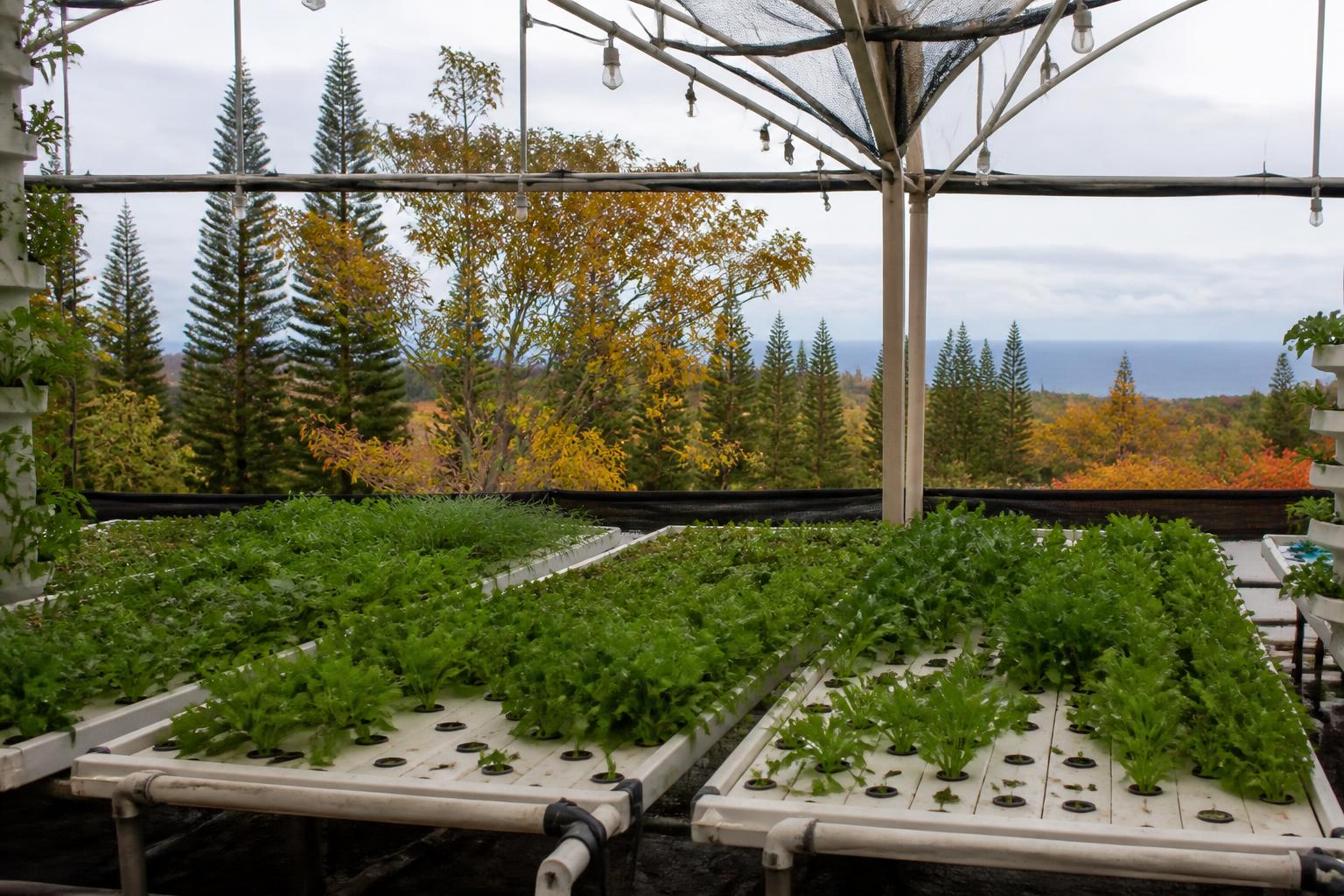
The Rise of Precision Agriculture in Hawaii
As Hawaii continues to refine its approach to food independence, the role of controlled-environment agriculture has become increasingly significant. On Lanai, high-tech hydroponic operations are demonstrating how sophisticated technology can mitigate the geographical and environmental challenges inherent to island farming. By bypassing traditional soil-based limitations, these setups offer a consistent supply of produce that reduces reliance on off-island shipments, effectively shortening the local supply chain.
Building Resilience Through Diversified Production
Adopting advanced cultivation methods is not just about output; it is about creating a more stable framework for the islands. As producers look to manage risks, such as climate variability or the introduction of invasive species, these high-tech systems provide a controlled, biosecure environment. Integrating strengthening agricultural defenses remains a priority for operators looking to safeguard these high-value investments against external biological threats.
Collaborative Environmental Stewardship
The agricultural sector in Hawaii is also increasingly mindful of its broader ecological footprint. As farms adopt more intensive growing practices, there is a parallel emphasis on protecting the surrounding marine and terrestrial ecosystems. This holistic view recognizes that sustainable growth in the agricultural sector must work in tandem with regional environmental initiatives, such as the long-term efforts to bolster farm viability while preserving the unique natural assets of the Hawaiian islands.
What it means for the market
For agribusinesses and local growers, the shift toward technology-driven production signals a move away from traditional reliance on imported inputs. Moving forward, market participants should monitor how these controlled-environment models influence pricing stability and availability for local distributors, as well as the potential for these practices to scale into other regions across the state.
Comments
No comments yet - be the first to share your take.