
Arkansas grain shippers, truckers, and river terminals are navigating a dynamic summer as major infrastructure acquisitions and weather-induced harvest delays shake up Delta logistics. With the Arkansas River serving as a vital artery for agricultural commerce, recent changes in terminal ownership are drawing close attention from regional agribusinesses looking to secure freight capacity for the upcoming marketing year.
At the same time, persistent rainfall across the state has delayed the start of the winter wheat harvest, complicating the timing of grain movements. Producers and carriers are having to coordinate closely to manage the ongoing challenges of Arkansas ag transport as seasonal demand shifts and field conditions remain volatile.
River Port Transitions and Delta Infrastructure
A major development in Western Arkansas transportation is the acquisition of port operations in Van Buren and Fort Smith by a Seattle-based company. These ports are critical nodes on the McClellan-Kerr Arkansas River Navigation System, facilitating the flow of dry bulk inputs like fertilizer, as well as grain and crop outflows heading toward the Mississippi River. In many parts of the state, river transport remains the most cost-effective method for bulk shipping, and shifts in terminal ownership can impact regional handling fees and storage availability.
Local logistics experts note that well-maintained river infrastructure is essential to alleviate pressure on regional highway corridors, especially during high-volume harvest seasons. Smooth transitions at these western ports will be vital to keeping input costs stable and ensuring that outbound grains find a reliable path to export markets.
Rain Delays and Trucking Bottlenecks
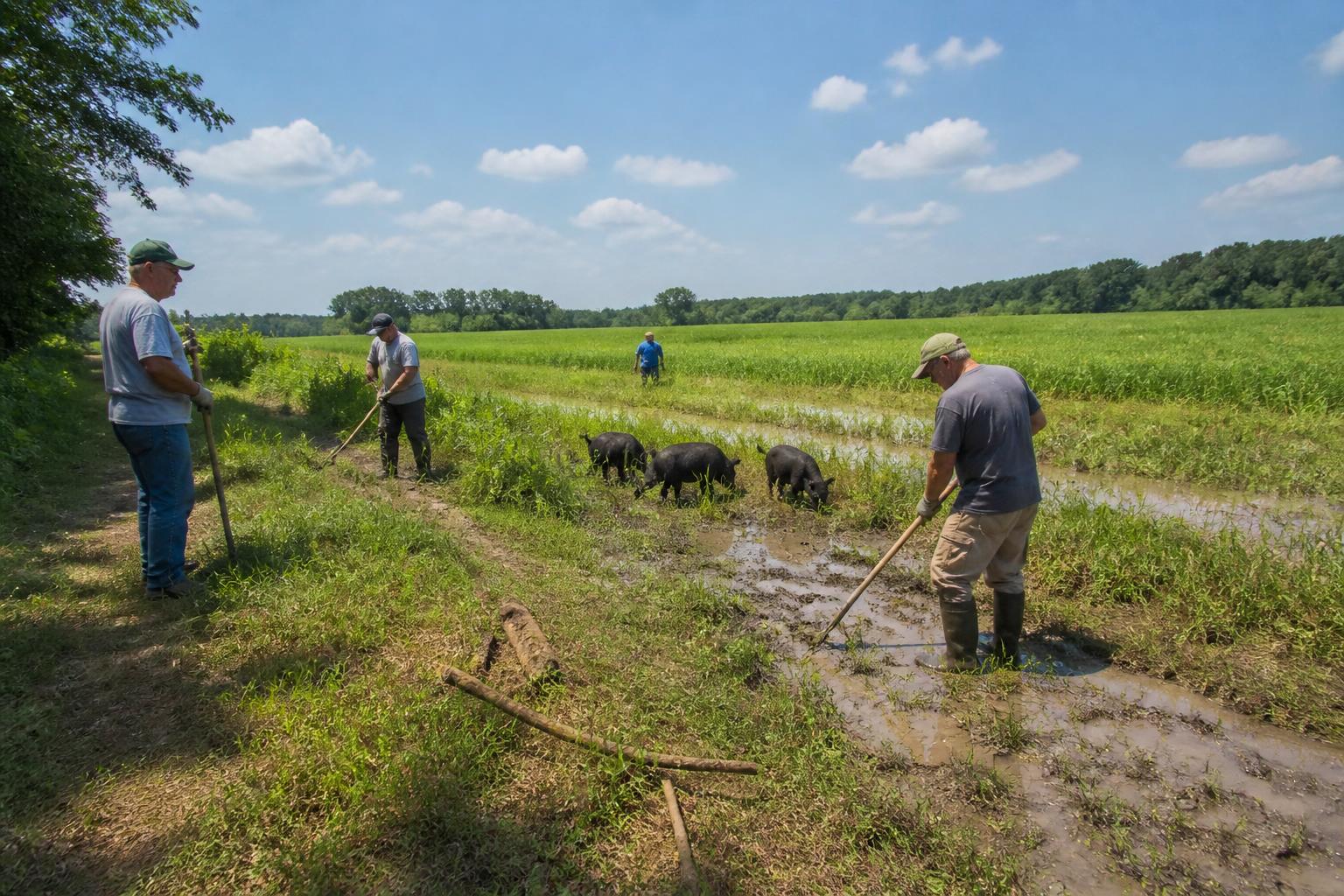
The winter wheat harvest has faced persistent headwinds due to heavy summer rains across Arkansas. These frequent storms have delayed field entry for combines and slowed the initial push of grain to local elevators. Wet fields not only stall the harvest but also impact grain quality, making weed control exceptionally tricky for wheat growers and complicating the storage process.
When dry windows finally open, a sudden surge in harvesting activity typically puts intense, concentrated pressure on local trucking fleets. Grain handlers must optimize their intake capacity and coordinate elevators during wet periods to preserve grain quality, which is vital for optimizing Arkansas grain management under erratic weather patterns.
Key Takeaways for Arkansas Shippers
- Port Acquisitions: The buyout of Fort Smith and Van Buren port facilities introduces new management to critical western Arkansas river corridors.
- Harvest Backlogs: Delayed wheat harvesting means a tighter shipping window once fields dry out, potentially spiking short-term local trucking rates.
- Quality Management: Excess moisture and weed pressure require extra drying and handling care at the elevator level before grain can be safely moved or exported.
What it means for the market
The combination of delayed field activity and shifting port management means Arkansas agribusinesses must maintain flexible logistics plans this summer. If the wheat harvest continues to clash with early preparations for row crops, competition for truck freight and river barge space could intensify. Maintaining open communication with local elevators and river terminals will be key to managing freight costs and avoiding costly delays at the dump pit.
Comments
No comments yet - be the first to share your take.