
Securing the Future of Connecticut Farmland
Connecticut agriculture is entering a pivotal transition period as the fall season nears its conclusion. Recently, the state celebrated a milestone in land conservation with the successful implementation of the state's first Option to Purchase at Agricultural Value (OPAV) deal in East Canaan. This mechanism is increasingly viewed by local producers as a vital tool for preventing farmland fragmentation, ensuring that acreage remains viable for future generations of growers in the state's fertile river valleys and rolling hills.
For those managing input costs and land assets, securing long-term tenure is becoming as important as navigating volatile production expenses. While national commodity benchmarks show recent fluctuations, local operators are focusing on the stability of their land base to better weather broad shifts in the agricultural economy.
Aligning Local Harvest with Holiday Demand
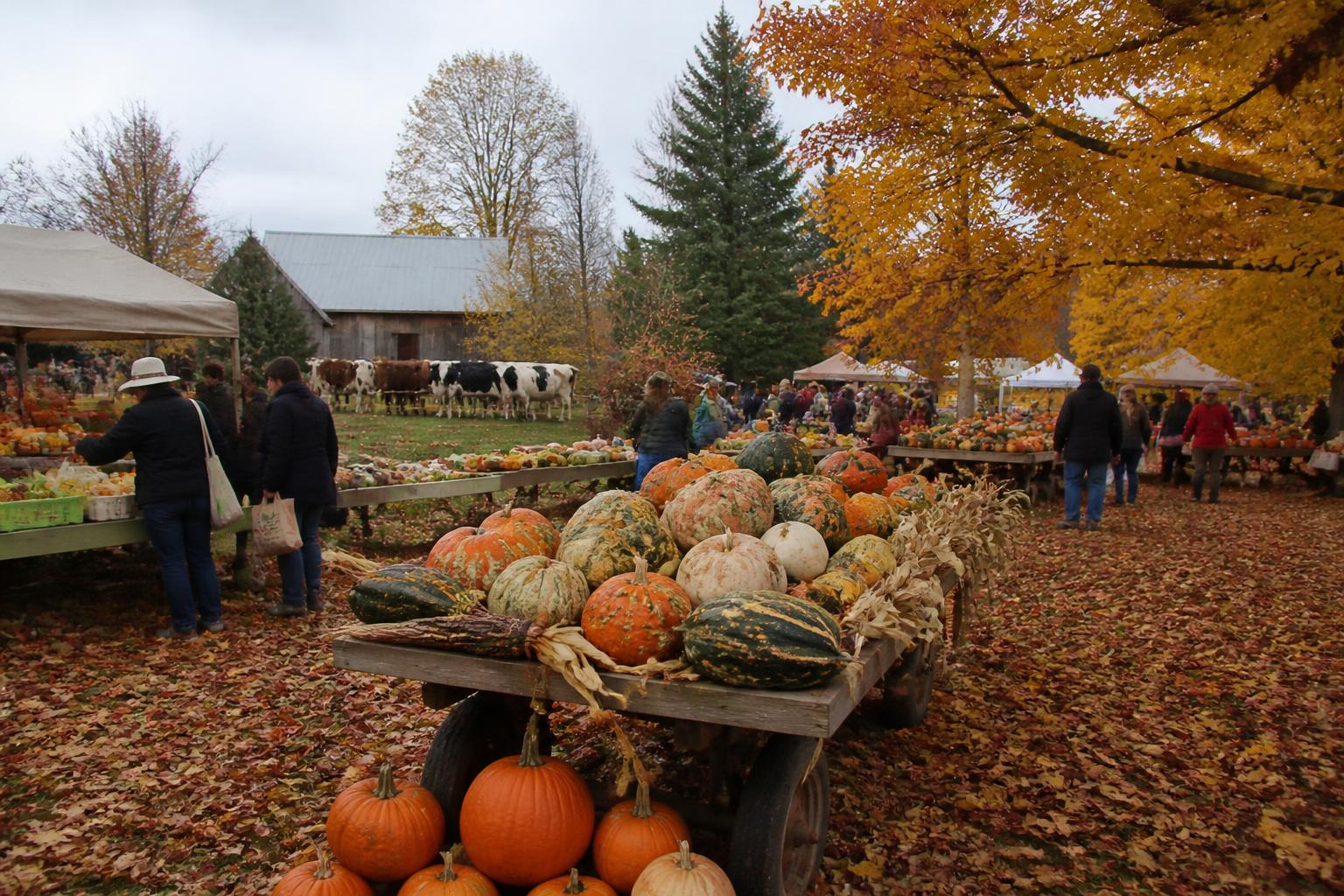
As November moves forward, the focus shifts toward the Thanksgiving holiday. Farmers across Connecticut are actively encouraging community members to source products locally, emphasizing that supporting small-scale agriculture helps maintain the regional supply chain. This seasonal push is crucial for farms that rely on direct-to-consumer sales to offset the high costs associated with Northeast agricultural operations.
For grain producers and handlers looking at the broader market, it is essential to stay informed on how national trends might influence local input availability. While recent market reports indicate that global grain benchmarks remain fluid, local logistics continue to be the primary driver for regional profitability as the harvest window closes.
What it means for the market
The convergence of land protection initiatives and peak seasonal retail activity provides a unique opportunity for Connecticut agribusinesses to solidify their community standing. Producers who leverage both the security of OPAV-protected land and the loyalty of the local holiday consumer market may find themselves in a stronger position to mitigate the risks currently seen in the larger national grain and livestock sectors.
Comments
No comments yet - be the first to share your take.