
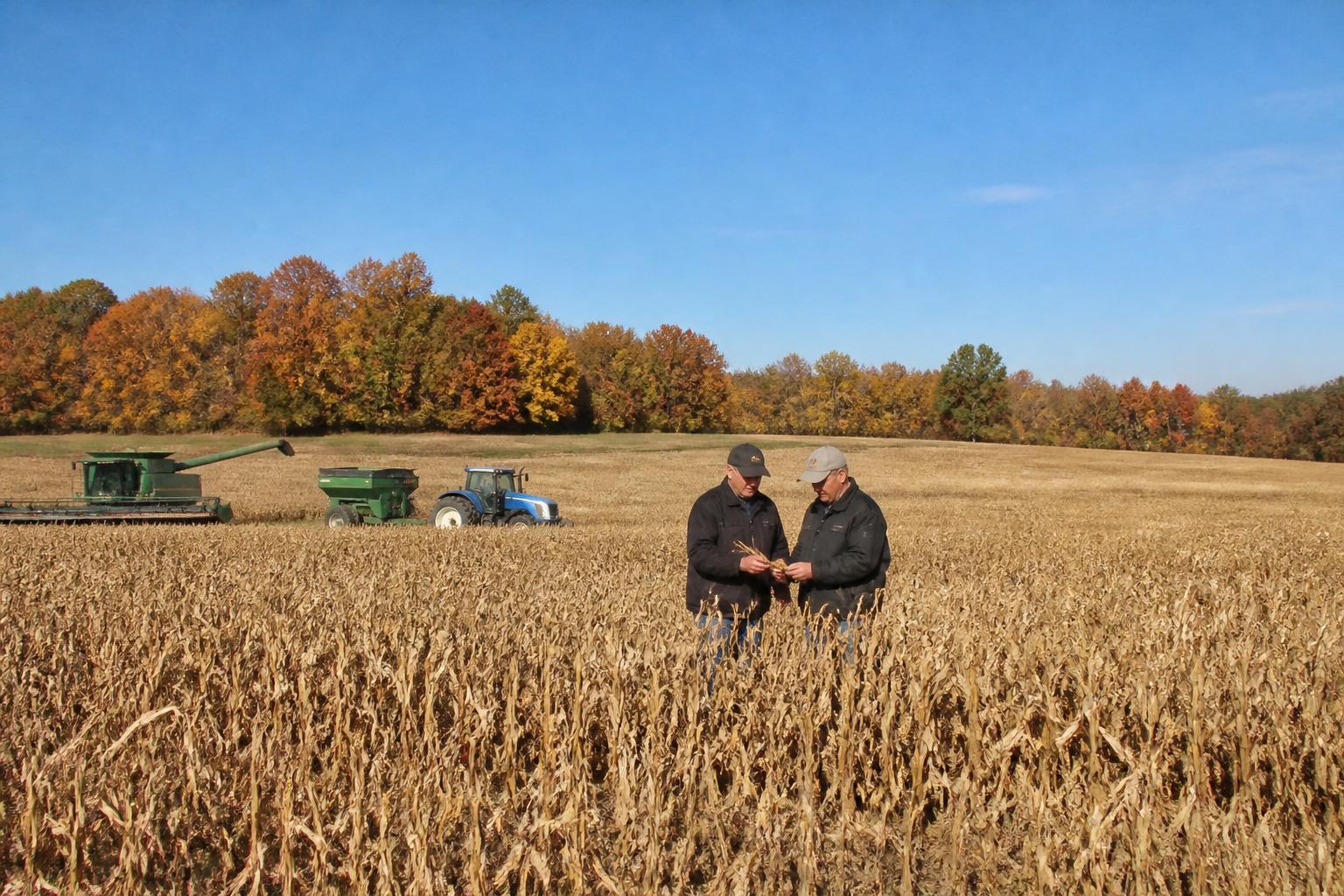
California's grain sector is entering the late fall season under a watchful eye as producers and handlers assess the impacts of broader global market volatility. While logistics remain a perennial factor in the state, the recent landscape for grain and field crop producers has been shaped by a combination of tight input margins and the ongoing need for efficient localized distribution.
For those managing grain buyers, sellers and prices in California, monitoring the intersection of domestic yield outcomes and international trade pressures remains essential. The current climate necessitates a cautious approach to inventory management, especially as growers weigh the long-term sustainability of their operations against current price signals.
Managing Economic Headwinds in California Agriculture
The financial pressure on regional farming operations is increasingly visible, with producers seeking ways to mitigate the risk associated with high-cost inputs. Beyond the immediate logistical challenges, there is a continued focus on operational efficiency and resource management. Understanding how to navigate tightening margins in a volatile market has become a staple topic for agribusinesses across the state, from the Central Valley to coastal processing hubs.
Looking Ahead
As we move deeper into the final quarter, the focus for many remains on balancing the books and preparing for future planting cycles. While specific yield results across California counties are still being synthesized, the consensus among industry observers suggests that maintaining flexibility in both marketing and supply chain logistics will be critical for weathering the current fiscal environment.
What it means for the market
For grain elevators and agricultural transporters, the current environment implies that maintaining lean, responsive operations is no longer optional. As international market uncertainties linger, local participants should prioritize strengthening regional buyer-seller relationships and leveraging data to make informed hedging decisions. The ability to pivot quickly as seasonal shipping demands shift will likely be the primary differentiator for success in the coming months.
Comments
No comments yet - be the first to share your take.