
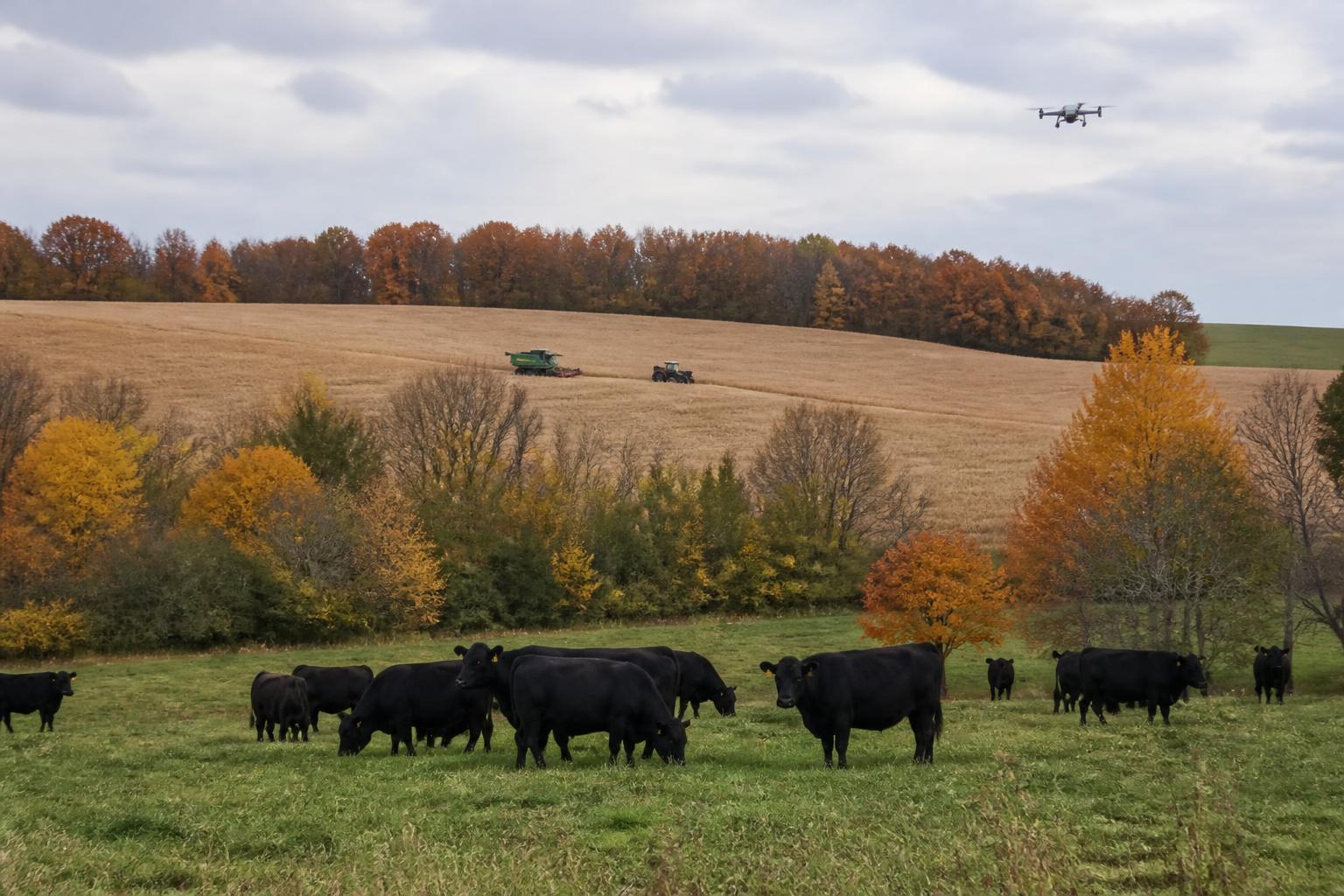
Adapting to Seasonal Shifts in Montana Grain Markets
As we move through the middle of November, Montana producers are shifting their focus from harvest operations to long-term storage and marketing strategies. With the fall season in full swing, the regional pulse and grain sectors are experiencing typical late-year adjustments. For those looking to manage their inventory, keeping a close eye on the latest grain buyers and price trends in Montana is essential for making informed decisions on when to move stock or hold for potential spring price recovery.
Supply Chain Management and Logistics
Logistical efficiency remains a cornerstone of profitability for Montana agribusinesses. As growers evaluate their options, understanding the current supply chain landscape can help mitigate risks associated with transportation bottlenecks and fluctuating fuel costs. It is important to stay proactive about scheduling, as rural infrastructure can often see increased pressure during the final movement of commodities before the deep freeze sets in.
Strategic Planning for Producers
Beyond traditional grain sales, some producers are exploring diversification in their business models, similar to emerging trends in regenerative agriculture, which emphasize resilient, long-term land management. For those managing grain storage, ensure that moisture levels are monitored consistently to maintain quality throughout the winter months. Incorporating these market insights into your seasonal planning can offer a clearer picture of how to best leverage current supply volumes against local demand.
Key Takeaways for Producers
- Monitor storage grain moisture levels closely as winter approaches to preserve commodity grade.
- Review local logistics and regional transport availability to avoid end-of-year shipping delays.
- Compare regional price spreads to identify the most competitive elevator delivery windows.
What it means for the market: The current environment suggests that while market conditions remain complex, a disciplined approach to inventory management and supply chain coordination will continue to be the primary driver of success for Montana’s grain operations as they settle into the winter season.
Comments
No comments yet - be the first to share your take.