
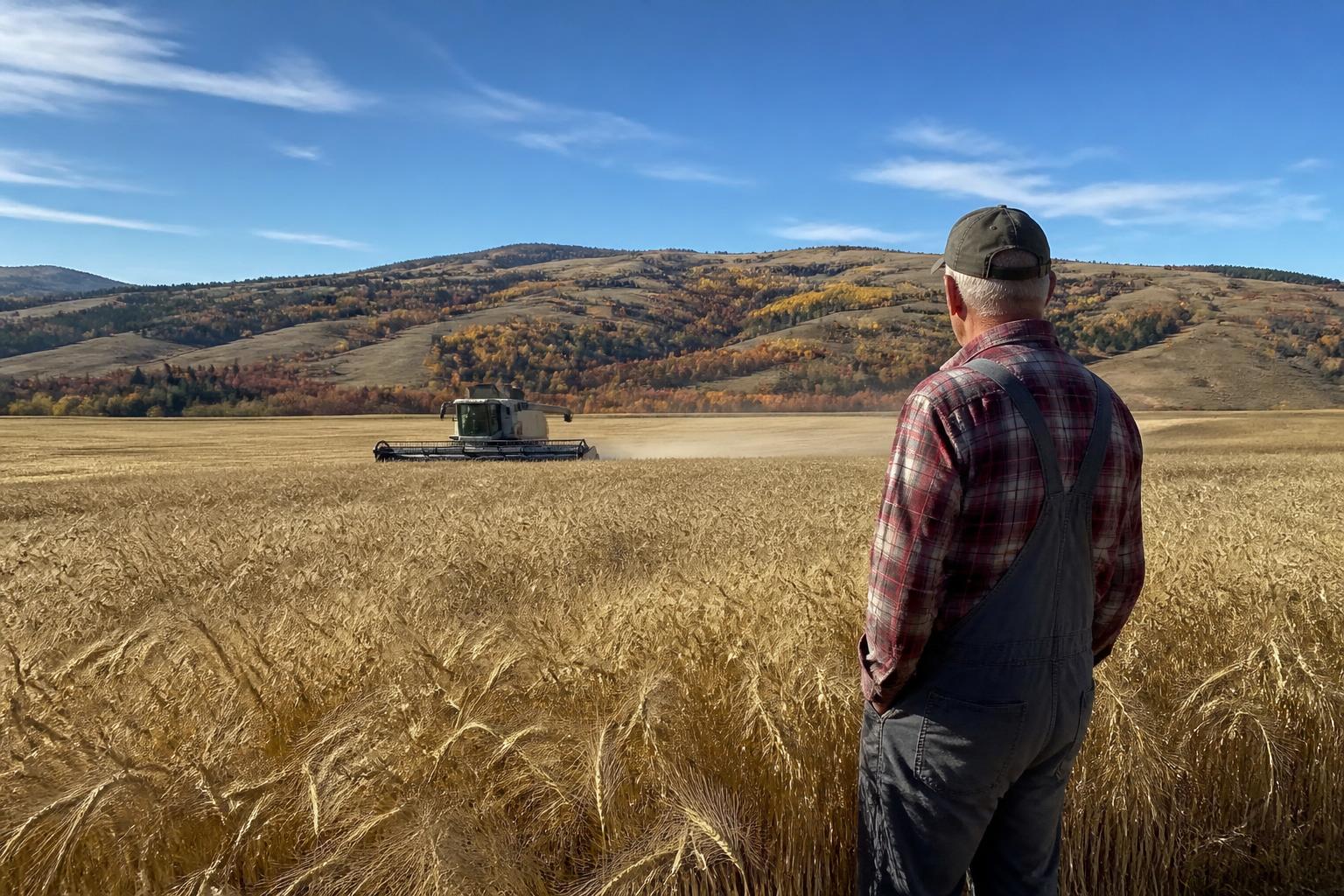
As the fall harvest season concludes across Montana, local agricultural stakeholders are focusing on both operational efficiency and long-term market positioning. Producers in key growing regions from the Hi-Line to the southern valleys are currently being encouraged to contribute to state-level surveys regarding wheat and barley varieties. This data gathering is expected to provide essential insights that can influence future agronomic decisions and help streamline supply chain planning.
For those managing grain movement, staying ahead of logistics trends is critical as the market navigates evolving trade pressures. Concerns regarding competition from imported commodities have prompted discussions among producers about protecting the local market, particularly for industries like craft brewing that rely on Montana-grown grains. Understanding these broader supply chain dynamics remains a priority for elevators and distributors working to maintain stability during the transition into the winter months.
Refining On-Farm Operations
Beyond external market pressures, many Montana agribusinesses are placing a renewed emphasis on internal innovation. Whether it involves upgrading aging infrastructure to handle modern equipment or refining maintenance practices, individual efficiency gains are seen as a hedge against unpredictable market volatility. Small-scale enhancements, such as better fabrication of workshop tools for equipment repair, often play a role in keeping operations running smoothly during tight seasonal windows.
Logistics and Market Resilience
Logistics continue to be a focal point for the regional economy. Effective management of grain stocks is vital, and many operators are keeping a close watch on how rail performance and infrastructure resilience impact their ability to move crops to export terminals. By focusing on data-driven decision-making and strengthening local infrastructure, Montana producers aim to maintain their competitive edge in an increasingly globalized market.
Integrating these operational improvements with a clear understanding of fertilizer supply chain resilience will be key for the upcoming planting cycle. As producers prepare their land, the focus remains on balancing input costs against the necessity of ensuring a high-quality yield for the following year.
What it means for the market
For Montana farmers and grain handlers, the current period is about consolidation and planning. By participating in variety surveys and optimizing internal equipment management, stakeholders are positioning themselves to better navigate the uncertainties of international trade and logistics. Prioritizing infrastructure efficiency and data collection today may provide the necessary buffer to handle future price fluctuations and supply chain disruptions.
Comments
No comments yet - be the first to share your take.