
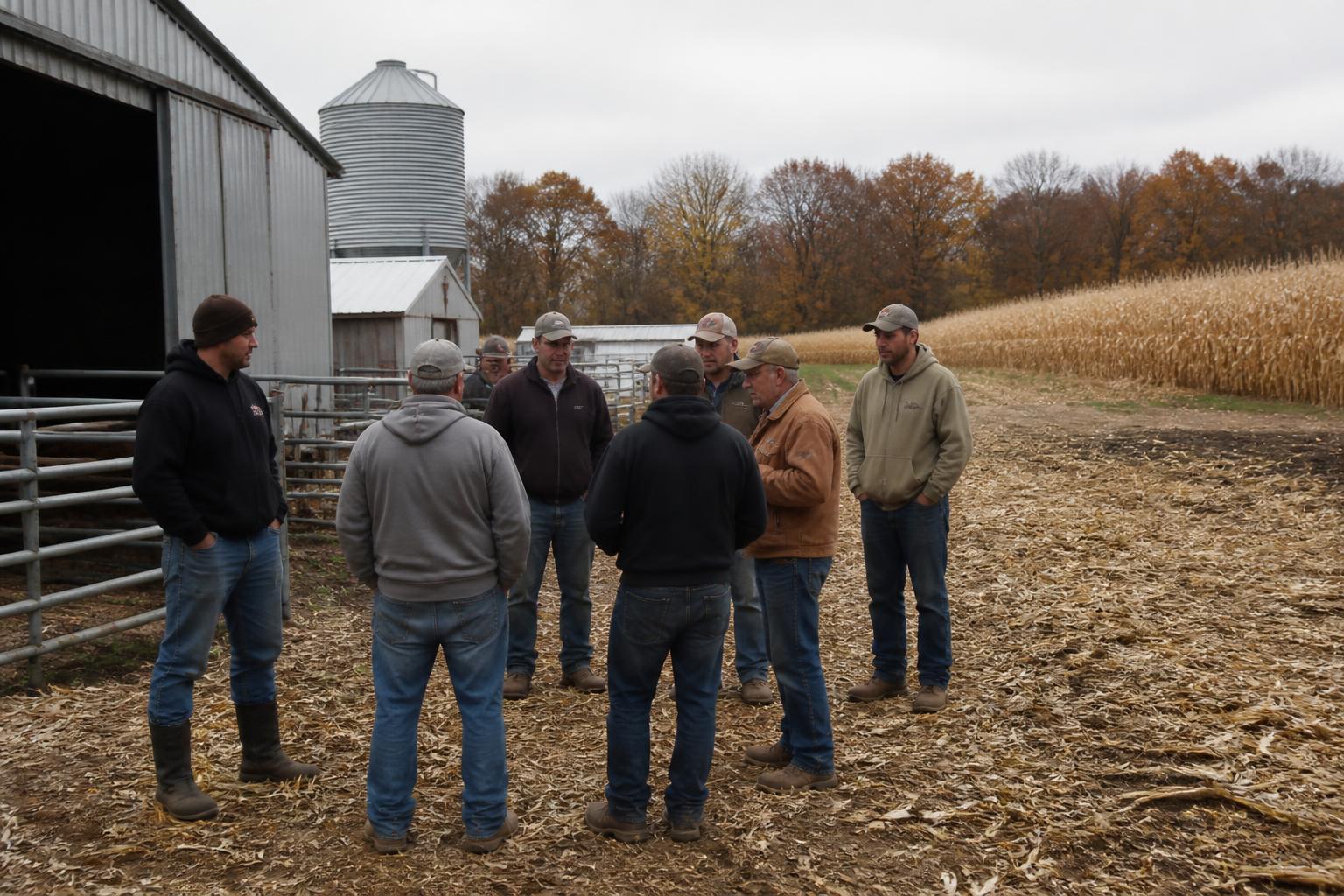
With the 2026 fall harvest season wrapping up, Wisconsin producers are taking stock of a growing season defined by variable weather conditions. Reports from across the state suggest that while some regions faced challenges with summer drought, many farms are reporting average yields, providing a stable baseline as growers shift their focus toward winter planning and market analysis.
As farmers prepare for the upcoming year, resources and expert guidance are increasingly available to help navigate federal programs. Ensuring producers have a clear understanding of ARC/PLC signup options is vital, as this can serve as a key component in managing operational costs amidst market volatility. These strategic decisions remain a cornerstone of maintaining profitability in the current agricultural climate.
Refining Operations and Market Strategy
Beyond the field, the broader agricultural landscape in Wisconsin remains focused on efficiency and sustainability. The recent influx of interest in specialized feed markets, such as organic dried distillers grain, highlights a shifting demand for high-value inputs. For many in the state, understanding these market trends is essential for those balancing margin pressures as field conditions vary from county to county.
Additionally, the integration of new technology and youth programming at industry events continues to foster long-term resilience. Engaging the next generation while maintaining stable terminal flow and infrastructure is critical for the long-term success of the state's grain and livestock supply chains. Whether it is through local Farm to School initiatives or national policy updates, staying connected to the regional supply chain is more important than ever.
What it means for the market
For agribusinesses and producers alike, the current period represents a transition into strategic assessment. With the latest yield data in hand and federal program deadlines approaching, the focus must shift from field operations to financial planning. Those who prioritize data-driven decision-making and lean into infrastructure efficiencies are better positioned to navigate potential shifts in global trade and local supply, ensuring that Wisconsin remains a competitive player in both grain and livestock sectors.
Comments
No comments yet - be the first to share your take.