
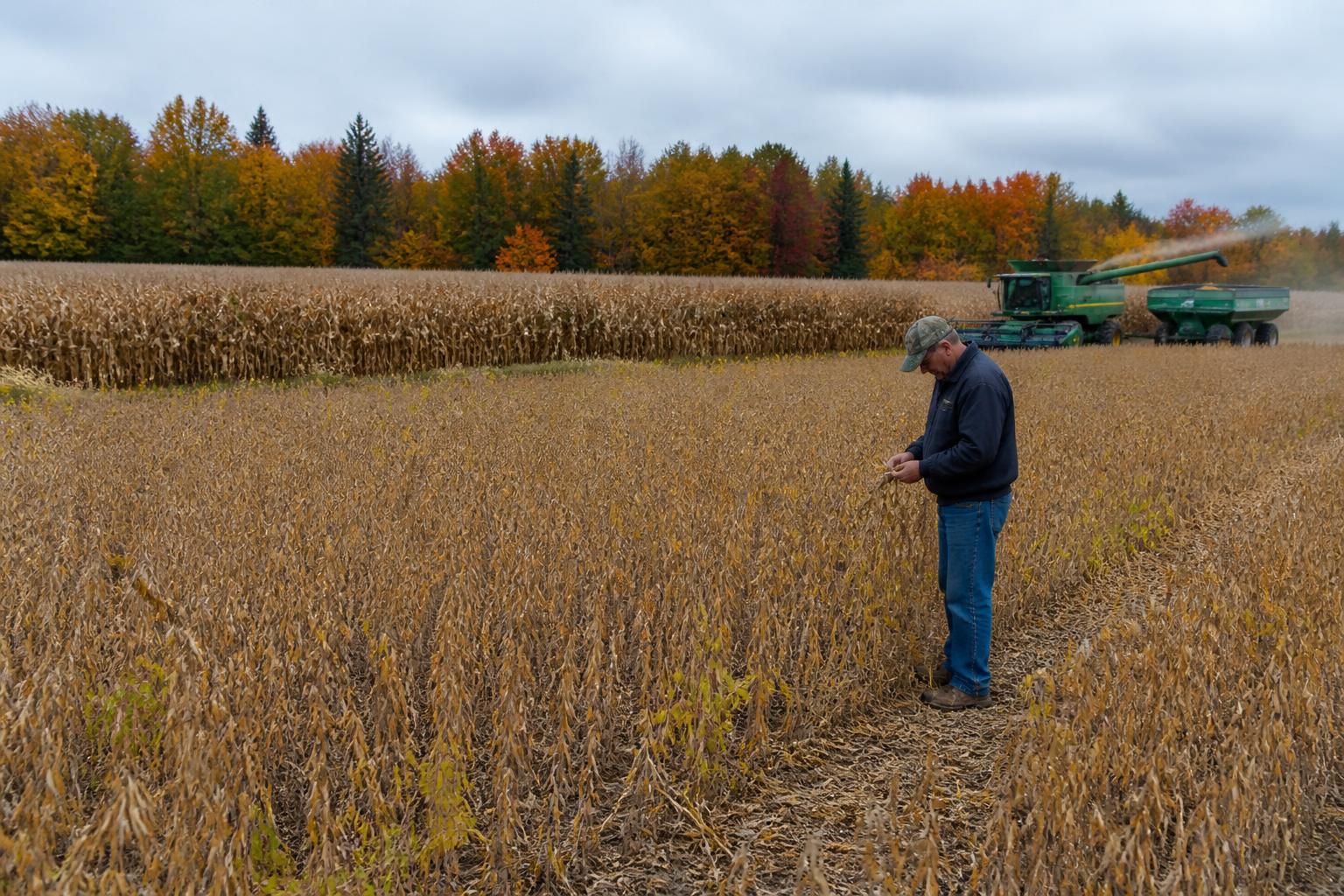
As the 2026 harvest season concludes across Wisconsin, producers are shifting their focus from field operations to year-end financial planning and strategic preparation for the 2027 crop year. While regional conditions have allowed many farmers to complete their fieldwork, the persistence of elevated input costs remains a primary concern for agribusinesses and farm operations statewide. Managing these financial pressures often involves re-evaluating crop rotations and optimizing resource allocation before winter sets in.
Agricultural logistics and market stability continue to be central topics of discussion in rural communities, from the dairy-heavy corridors of central Wisconsin to the grain-producing regions in the east. Understanding the evolving market dynamics and local logistics is essential as producers look ahead. While export demand for Wisconsin’s food and forestry products has shown resilience through the first half of the year, farmers are keenly monitoring how shifting federal policy, including potential changes to the Farm Bill, may impact future profitability and industry support structures.
Input Cost Management and Future Outlook
With the volatility in input markets, farmers are increasingly looking toward long-term operational efficiency. This includes exploring diversified revenue streams and adopting sustainable practices that may offer both conservation benefits and cost savings over time. The focus on soil health and resource management is not just a regulatory consideration but a practical strategy for maintaining yields in a competitive environment.
Market Context for Wisconsin Producers
The intersection of manufacturing, tourism, and agriculture continues to define Wisconsin’s economic landscape. Producers are currently weighing the impact of trade factors and commodity prices, which directly influence decision-making for the upcoming planting cycle. As the state moves further into the dormant season, grain handlers and storage facilities are managing inventory flow, preparing for the seasonal lull that typically follows the post-harvest rush.
What it means for the market
For Wisconsin’s agricultural sector, the months ahead are critical for resetting strategies. While market headwinds such as high input prices and policy uncertainty persist, the industry's ability to maintain a record-setting pace in exports provides a foundation for stability. Agribusinesses should prepare for a conservative but strategic approach to input purchasing in the coming quarter, keeping a close eye on interest rates and legislative updates that could alter the economic landscape for the 2027 season.
Comments
No comments yet - be the first to share your take.