
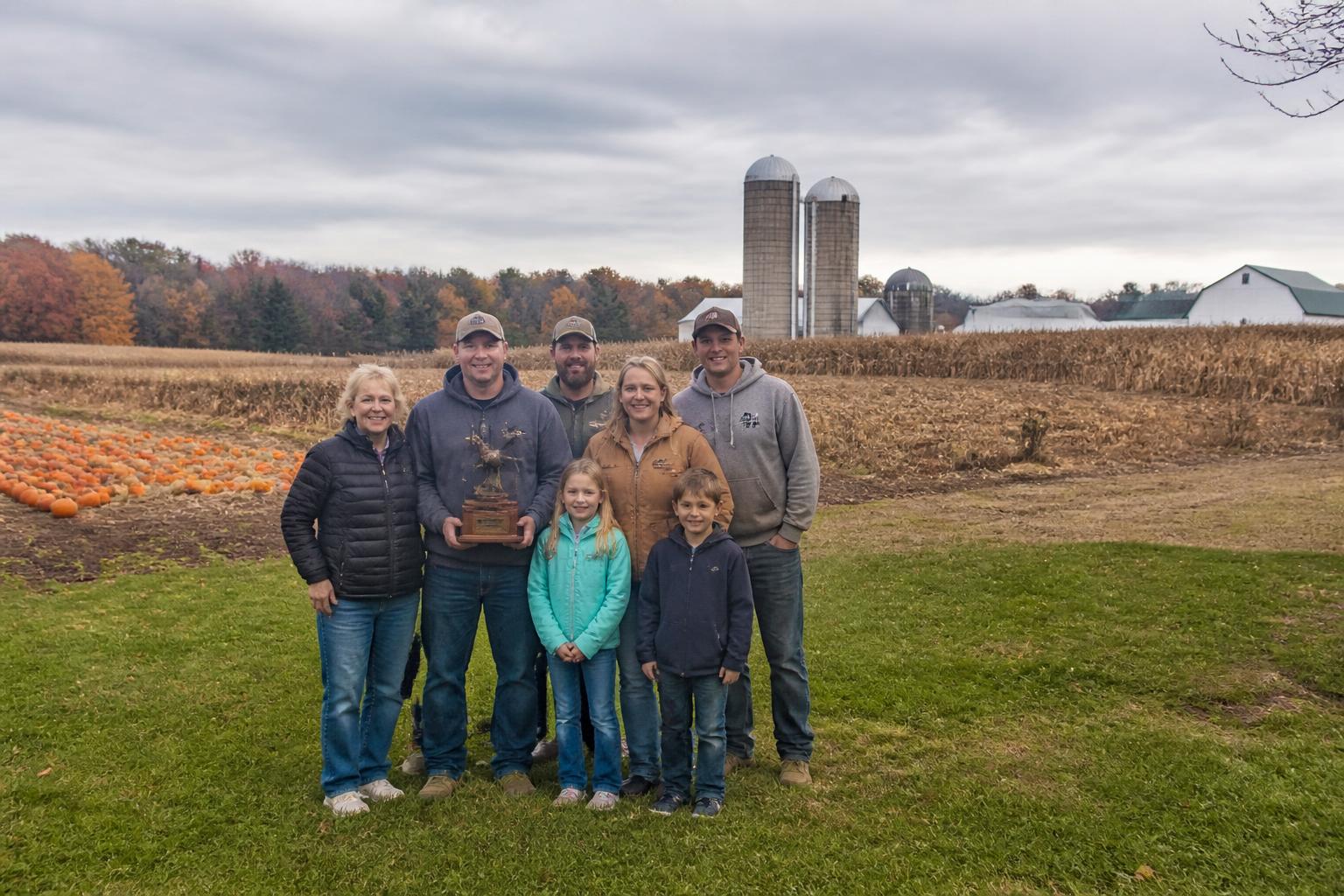
Wisconsin producers are currently evaluating their positions following recent USDA reports indicating a tightening supply outlook, which has provided some upward pressure on grain markets. As the state moves further into the fall season, the focus for many farmers and elevators shifts from primary harvest logistics toward strategic inventory management and long-term planning.
Successfully navigating harvest realities requires more than just yield assessment; it involves aligning market decisions with individual revenue goals. Industry analysts suggest that shifting the focus toward revenue-based marketing strategies, rather than relying solely on bushel volume, may help producers better manage the economic volatility seen throughout the season.
Optimizing Logistics and Field Operations
Harvest efficiency remains a cornerstone of profitability for Wisconsin operations. As agricultural logistics evolve, many producers are investing in enhanced capacity equipment, such as grain carts, to bridge the gap between field harvest speed and elevator intake capacity. These investments are helping growers mitigate potential bottlenecks that often arise during the peak of the autumn harvest window.
Furthermore, managing operational overhead continues to be a critical theme for the state's agribusiness sector. With significant resources dedicated to inputs like fuel, producers are looking for ways to streamline operations. Whether through adopting no-till conservation practices or refining soil nutrient application based on the latest regional guidelines, the emphasis is on maximizing output while keeping input costs in check.
Technology and Sustainability in Wisconsin Agriculture
The integration of technology remains vital for operational success under industrial pressure. From improving wireless reliability in field-to-bin monitoring systems to expanding fiber internet infrastructure, these digital advancements are becoming essential for modern farm management. Additionally, recognition for sustainable stewardship, such as recent awards for no-till implementation, highlights the ongoing shift toward practices that balance environmental health with long-term commercial viability.
As farmers look ahead to the winter, balancing these technical upgrades with a disciplined financial approach will be key to managing operational costs amidst market volatility. Staying informed on regional supply trends and infrastructure developments, as discussed in our previous market analysis, is crucial for those planning their next production cycle.
What it means for the market
The combination of tightened supply forecasts and the need for greater operational efficiency points to a season where strategic marketing and equipment management are paramount. For Wisconsin grain handlers and producers, the priority is to leverage current market signals while optimizing on-farm capacity to maintain margins despite wider economic headwinds.
Comments
No comments yet - be the first to share your take.