
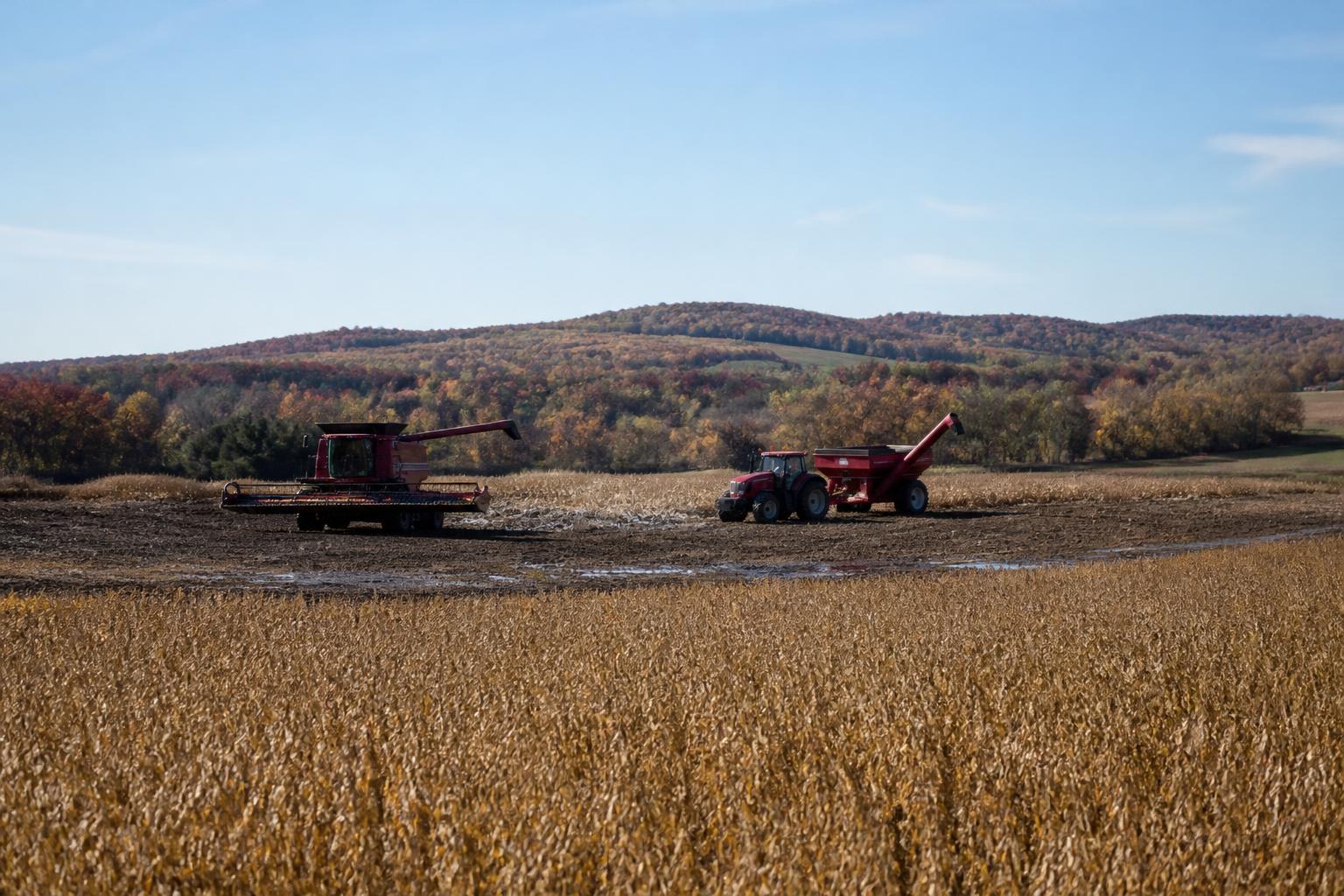
Wisconsin farmers are balancing the final stages of the fall harvest with the reality of challenging field conditions. Recent moisture levels have left some producers waiting for fields to dry, a situation that often tests the patience of harvest crews and complicates logistical planning for grain transport. As the calendar turns deeper into November, the pace of field work remains highly dependent on localized drainage and soil moisture retention across the state’s key agricultural counties.
Beyond the immediate physical hurdles of harvest, the broader economic landscape remains a primary concern. Many growers are currently evaluating their financial position in light of projected low profit margins for grain. With commodity prices fluctuating, identifying effective strategies to protect the bottom line has become a priority for operations of all sizes. For those looking to refine their business approach, resources regarding terminal flow and crop assessment remain essential tools for navigating the season.
Refining Management in a Tight Market
With thin margins forecasted, producers are increasingly turning their attention toward structured risk management. Educational outreach focused on legal and financial risk is becoming a critical component of farm business planning. Beyond internal cost-cutting, some growers are exploring the Margin Coverage Option (MCO) to help buffer against price volatility and input cost exposure. Evaluating these options requires a clear understanding of individual yield history and local market basis.
Operational efficiency is also being influenced by a growing interest in long-term sustainability. Reports indicate that investments in regenerative agricultural practices and specialized fertilizer facilities are beginning to show promise for some state producers. By integrating these practices, operations may find ways to optimize input costs, though the shift requires careful long-term management and patience.
What it means for the market
The convergence of uncertain field conditions and narrow margins suggests a cautious approach to post-harvest logistics. Farmers and grain handlers should prepare for potential bottlenecks if weather continues to disrupt transit flow. As the state moves toward the off-season, keeping a close watch on regional price ratios and utilizing available management outreach will be key to preparing for the next production cycle. For further insight into the economic landscape, industry participants are encouraged to review recent analysis on operational costs and infrastructure shifts impacting the state's agribusiness sector.
Comments
No comments yet - be the first to share your take.