
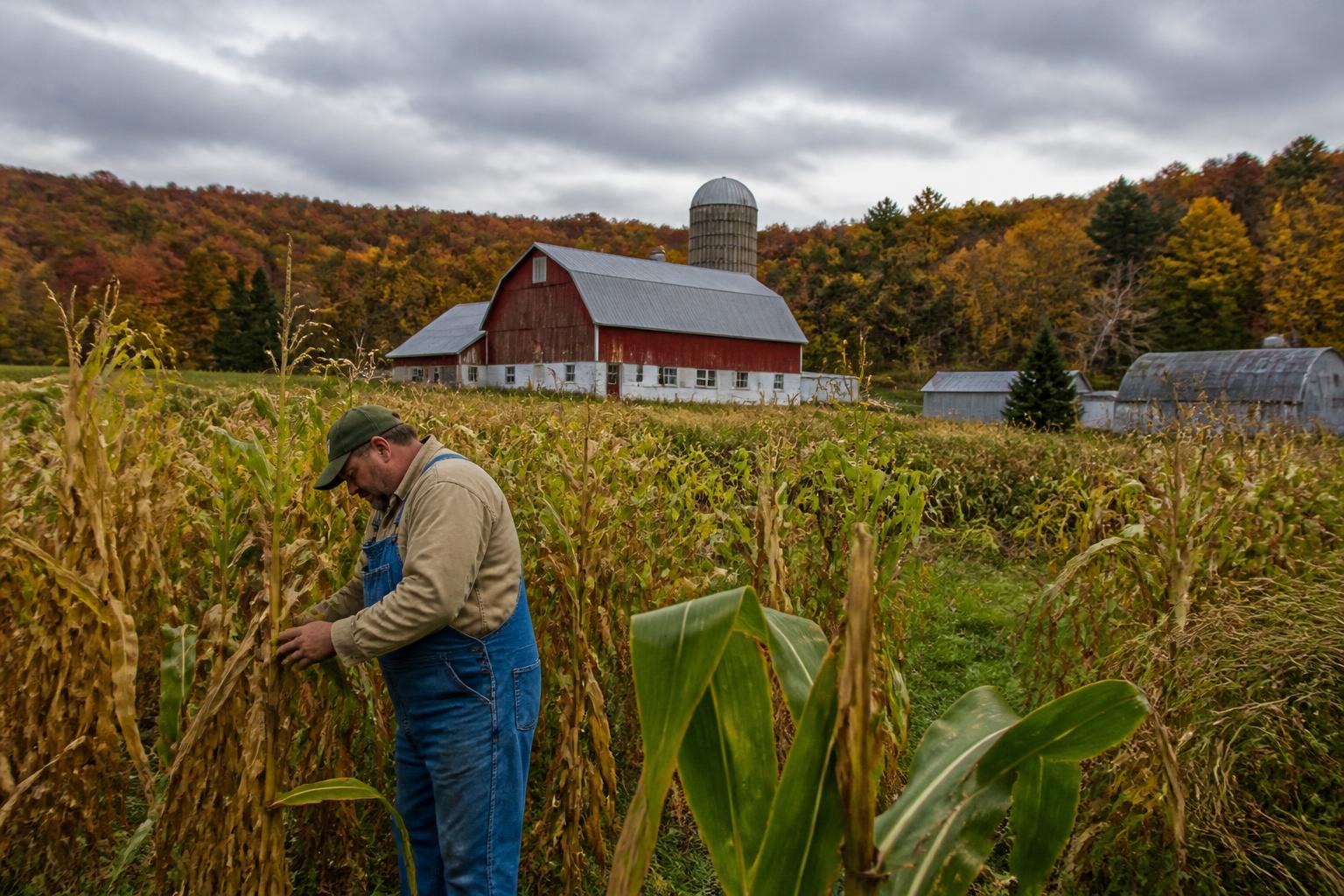
As the fall season progresses in Wisconsin, agricultural producers continue to balance the benefits of moisture against the persistent challenge of volatile weather patterns. While recent precipitation has provided necessary support for many crops, it has also periodically hindered the pace of critical late-season fieldwork across the state. Producers are managing these shifts in real-time, often contending with the reality of uneven soil conditions that can complicate harvest logistics and grain movement.
Beyond the field, the broader agricultural landscape is seeing a push for enhanced connectivity. Significant recent investments in rural agricultural roads are signaling a long-term commitment to strengthening the state's harvest logistics and transit flow. For many operators, these improvements are vital as they seek to move products more efficiently from farm gate to terminal. Local agribusinesses are watching these developments closely, as reliable transport infrastructure remains a primary factor in maintaining competitive margins during the high-pressure harvest windows.
Expanding Markets and Local Support
Export markets continue to be a focus for Wisconsin’s value-added sector, with companies like Sartori Cheese recently leveraging international partnerships to broaden their reach in South Korea. This strategy reflects a broader trend of Wisconsin processors looking beyond domestic borders to mitigate price volatility. Meanwhile, state-level initiatives and grant programs continue to support local food systems, providing options for family farms looking to diversify their market access.
The policy environment also remains active, with discussions surrounding potential fee adjustments for livestock operations and new legislation aimed at bolstering support for family-owned farms. These developments underscore the importance of staying informed on state-level regulatory shifts that may influence operational costs in the coming year.
What it means for the market
For Wisconsin farmers and grain handlers, the focus for the remainder of the fall involves optimizing operational efficiency despite weather variability. While infrastructure improvements are underway, short-term success still relies on diligent management of seasonal transit and traffic flow. Producers should continue to monitor local road conditions and leverage regional operational insights to navigate the current environment effectively as the year winds down.
Comments
No comments yet - be the first to share your take.