
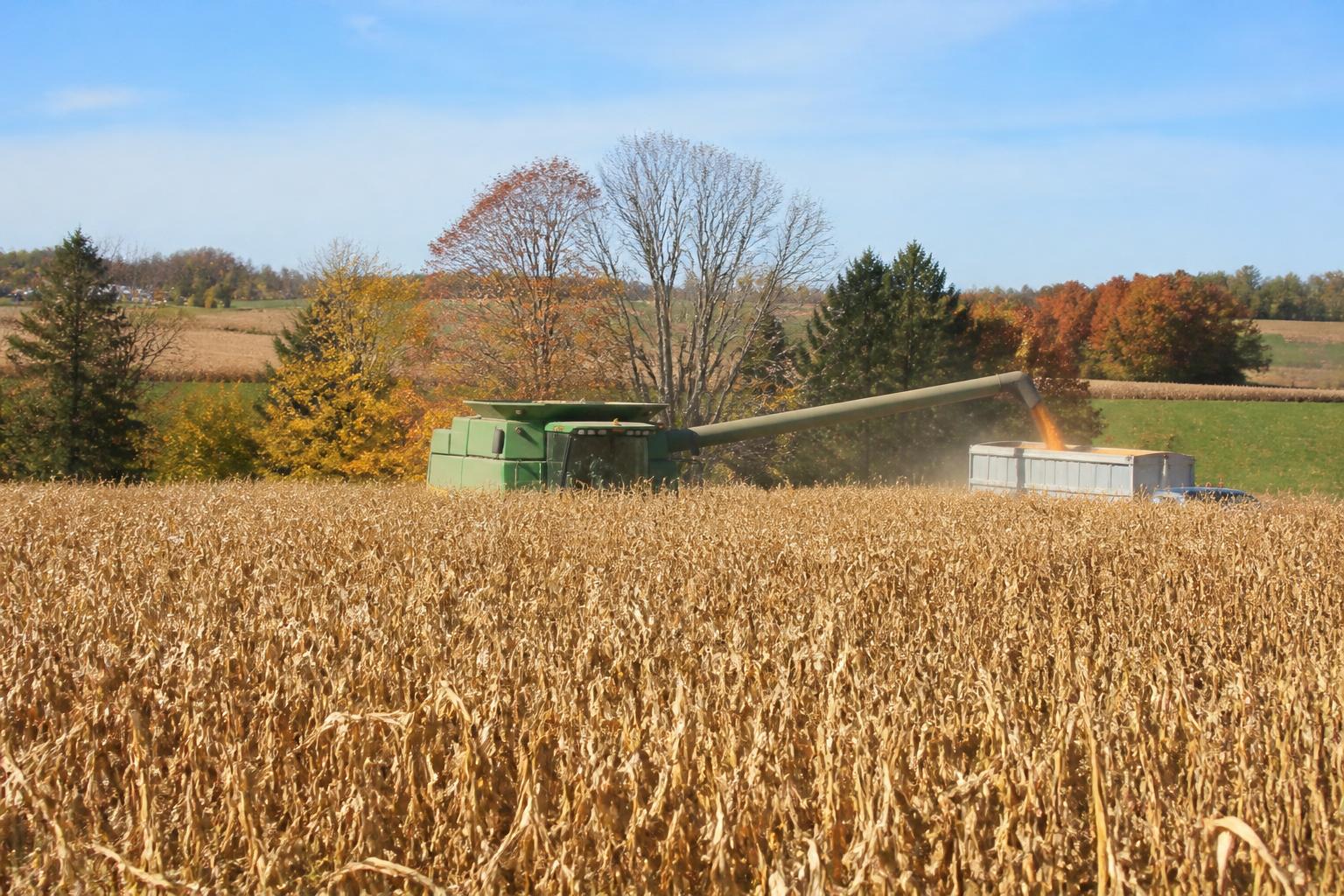
As the fall harvest moves toward completion across Indiana, producers are facing a mix of market volatility and shifting operational expenses. Recent updates from the USDA have tightened supply projections, with a surprise reduction in the U.S. corn yield outlook sparking a notable jump in prices. For local farmers, this market movement arrives at a critical juncture as storage and marketing decisions take center stage.
For those managing the flow of grain to elevators and processing hubs, local logistics remain a primary concern. The extension of fuel tax suspensions through early December provides a temporary buffer for carriers and operations. Balancing these costs is essential as producers also navigate compressed margins during this harvest season, requiring a disciplined approach to both input management and final sales.
Infrastructure and Market Access
Investment in regional infrastructure continues to shape the competitive landscape for Indiana grain. The recent deal involving the Rensselaer plant highlights how localized processing capacity can influence regional pricing, potentially offering more consistent delivery options for corn producers in that corridor. As farmers prioritize infrastructure readiness, keeping a close watch on regional basis levels remains a key strategy for protecting bottom-line returns.
Managing Costs and Future Planning
Beyond the current crop, the industry is increasingly focused on the long-term outlook. Persistent concerns over high diesel prices and the volatility of input costs serve as reminders for producers to remain cautious with their financial positioning. Whether evaluating fertilizer requirements or structural needs for 2027, the focus is on maintaining a resilient balance sheet. Many growers are now looking toward strategic nutrient management as a way to mitigate the impact of fluctuating input prices in the coming cycles.
What it means for the market: For the Indiana agribusiness sector, the combination of tightened supply data and temporary logistics relief creates a narrow window for strategic sales. While price jumps offer short-term encouragement, the long-term pressure from input costs necessitates a cautious, data-driven approach to grain marketing and operational planning through the end of the year.
Comments
No comments yet - be the first to share your take.