
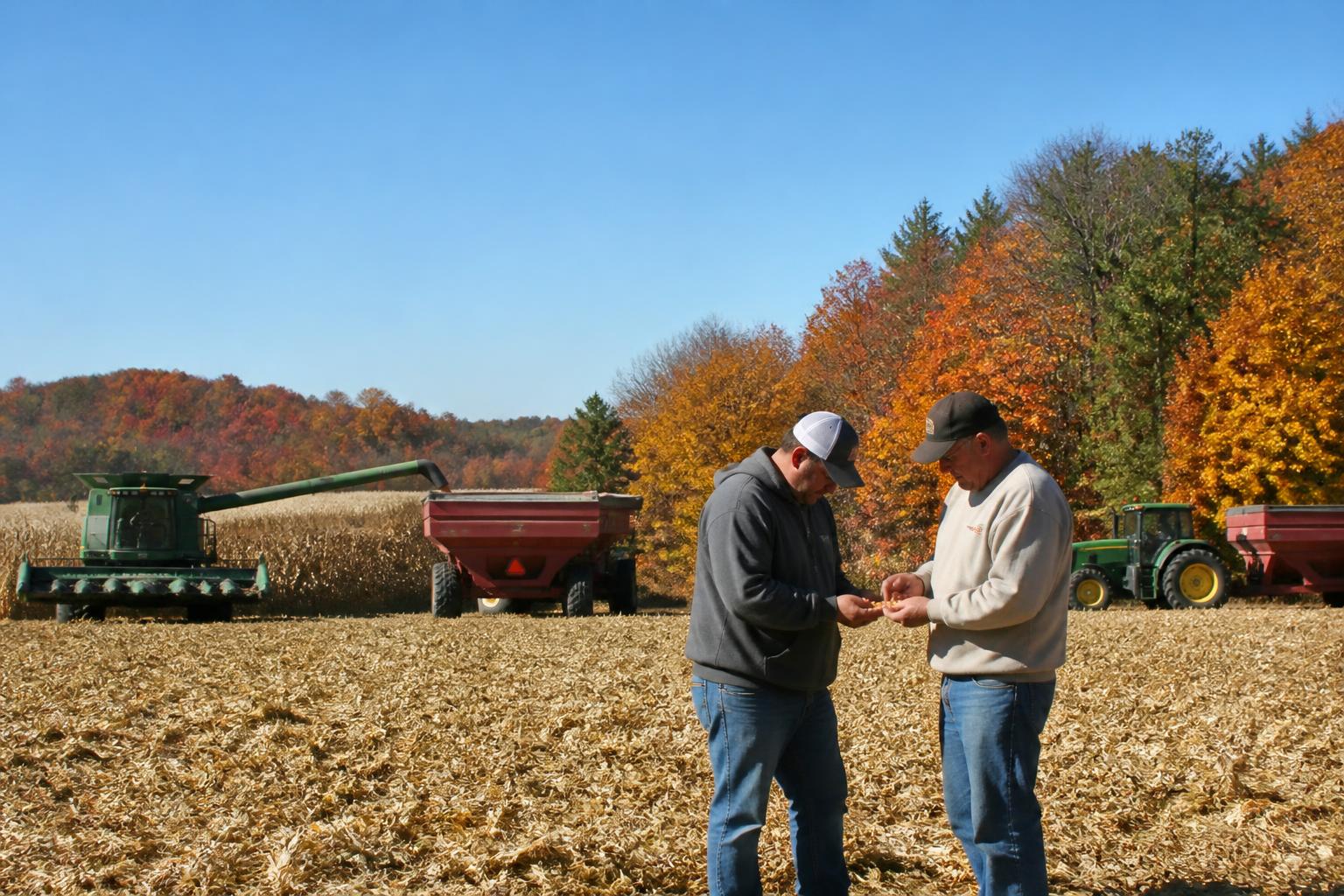
As the Indiana harvest moves through its final stages this fall, farmers are shifting their focus toward the logistical and economic planning required for the upcoming season. While crop yields have shown resilience, the broader market landscape is defined by a need for increased precision in input management to combat rising operational costs. For many, this has meant moving away from blanket applications in favor of highly targeted nutrient strategies designed to maximize efficiency under tightening margins.
The current volatility in fuel and energy prices continues to influence 2027 crop budgets, compelling agribusinesses and producers alike to prioritize cost control. Infrastructure remains a key factor in these discussions, as efforts to expand global trade capabilities and enhance state container port efficiency aim to better support Indiana agricultural exports. Meanwhile, the sector is monitoring shifts in the supply chain, including significant investments in local ammonia fertilizer production, which may eventually offer more reliable access to essential nutrients for local growers.
Refining Input Strategies
With ongoing price uncertainty affecting inputs, the shift toward regional logistics management has become a focal point. Farmers are increasingly adopting data-driven application approaches to ensure that every dollar spent on fertilizer yields the highest possible return. This transition is not only a response to immediate price pressures but also a broader move toward long-term operational sustainability.
Adapting to Market Pressures
The agricultural landscape in Indiana is further complicated by evolving corporate structures within the crop protection sector, where major players are undergoing internal reorganizations to sharpen their innovation focus. These shifts often signal a future where growers may have access to more specialized tools for weed and pest control. However, staying ahead of these developments requires proactive infrastructure and crop trend monitoring to ensure that on-farm operations remain agile enough to pivot as supply chain conditions change.
Infrastructure and Future Logistics
The conversation around logistics, particularly as it relates to expanding export channels through new state container port initiatives, is vital for Indiana producers. When combined with regional developments in chemical manufacturing and fertilizer production, these projects could help manage quality and logistical hurdles more effectively during the busy fall season. Continued coordination between policymakers and the agricultural community remains essential to ensuring that transportation and supply bottlenecks do not stifle the benefits of a productive harvest.
What it means for the market
For Indiana producers, the current market climate necessitates a disciplined approach to input purchasing and inventory management. By focusing on precision application and staying informed on local supply chain investments, farmers can better mitigate the risks posed by fuel and energy volatility. As we move into the winter planning period, leveraging local infrastructure improvements and monitoring shifts in major input suppliers will be key to protecting margins in 2027.
Comments
No comments yet - be the first to share your take.