
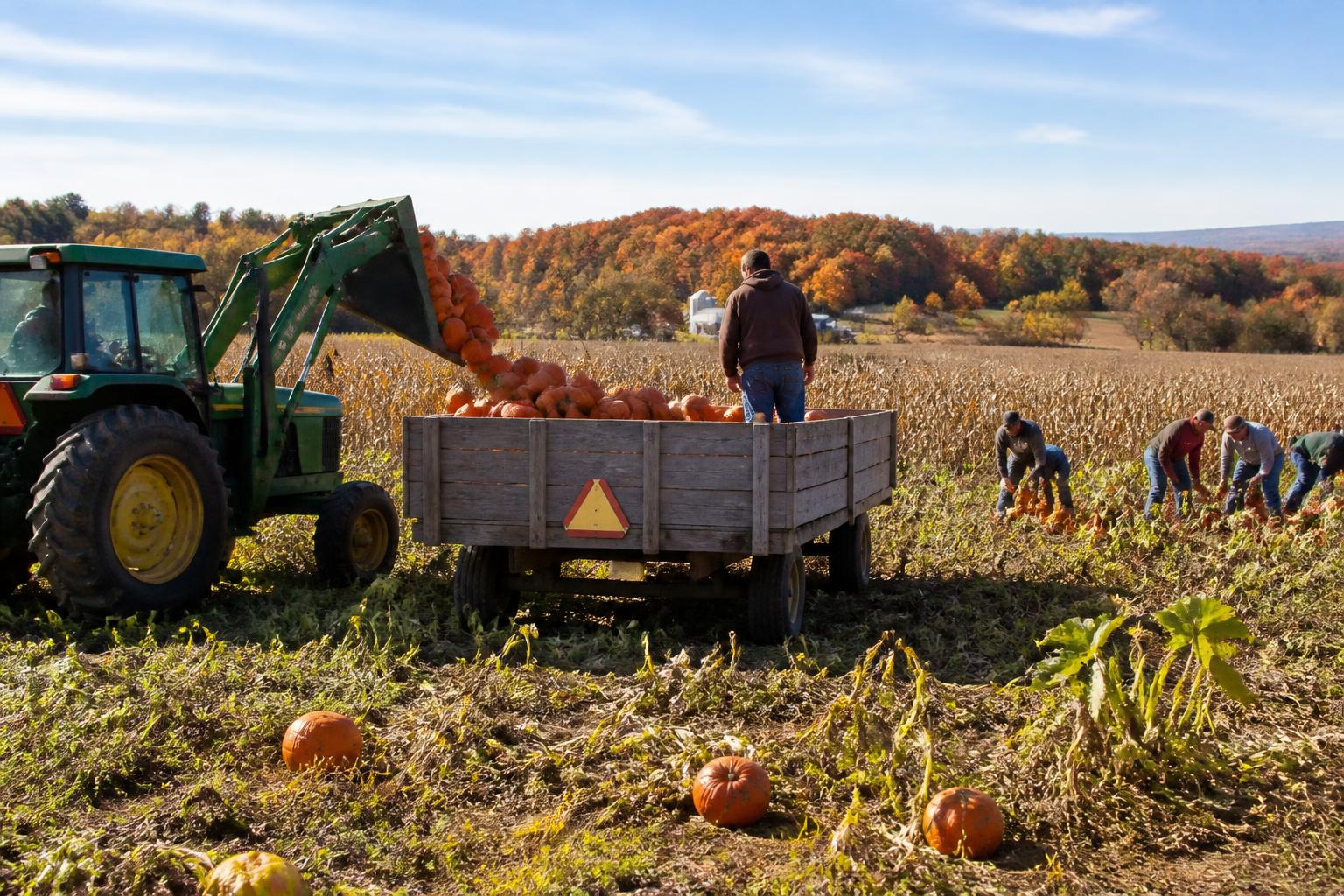
As the fall harvest season progresses, agricultural producers and grain handlers across Arizona are sharpening their focus on logistics efficiency. The movement of grain from local fields to key collection points requires precise coordination, particularly when aligning local trucking capacity with broader, higher-volume transit systems. For many in the state, maintaining a steady flow of product through established corridors is essential for meeting seasonal demand.
Understanding the interplay between local transport and larger infrastructure networks is a priority for those navigating this year's harvest. In some regions, producers are evaluating how to effectively manage grain quality amid shifting weather patterns common during the autumn months. Proactive communication between elevator managers and transport carriers often helps mitigate the bottlenecks that can occur when transit volume increases simultaneously across the region.
Refining Supply Chain Efficiency
Maximizing the throughput of agricultural goods often relies on the timely turnover of equipment. While national trends often highlight the strategic use of infrastructure investment to lower operational costs, the practical, daily reality for Arizona agribusinesses involves staying agile in a tight transport market. By focusing on consistent load scheduling and monitoring the status of rail shuttles, local handlers can better insulate their operations against unexpected delays.
Furthermore, staying informed about regional traffic patterns and road weight restrictions can prevent costly detours during peak harvest windows. As field operations continue, integrating reliable logistics data into daily routines remains one of the most effective ways for producers to ensure their harvest reaches the market with minimal disruption.
What it means for the market
For the Arizona agricultural sector, this period underscores the necessity of lean logistics. By prioritizing efficient turnover and staying closely aligned with transport partners, growers and agribusinesses can better manage the logistical pressures inherent in the fall season, ultimately protecting their margins as they navigate the remainder of the year.
Comments
No comments yet - be the first to share your take.