
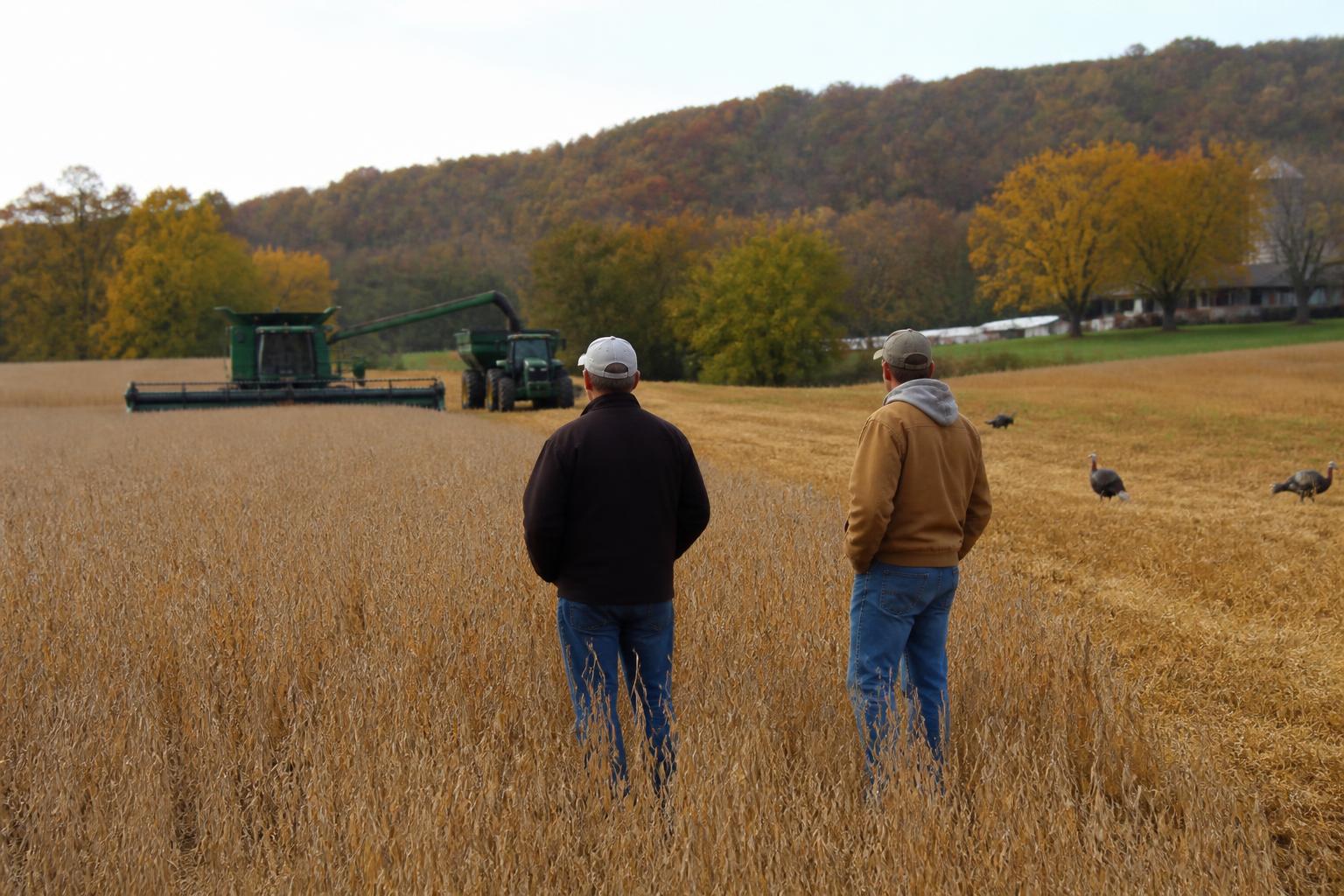
As Indiana producers wrap up their fall field work, the market narrative is shifting toward 2027 planning. Recent data points to a contraction in wheat planted area, with national figures suggesting a decline of 6% below the previous cycle. For Indiana farmers, this trend highlights the importance of re-evaluating crop rotations and risk management strategies as the industry prepares for the coming season.
For those looking to optimize their portfolio, now is the time to sell grain in Indiana while monitoring basis levels across local elevators. Careful attention to regional logistics and storage capacity remains a priority to ensure that carry-over stocks are managed efficiently before the spring planting window opens.
Long-Term Strategic Planning
Agricultural analysts have issued warnings regarding the necessity of a robust 2027 crop strategy. With tightening margins, Indiana agribusinesses are being urged to focus on cost containment and yield stability. Understanding the relationship between grain prices and variable inputs is critical, especially as feed costs and external biological threats continue to influence the broader agricultural economy in our state.
Navigating Market Volatility
Producers are balancing these macro-level concerns with the daily realities of market volatility. Staying ahead of regional trends is essential for protecting your bottom line. As you assess your position, remember that maintaining updated plans for equipment, storage, and marketing can help mitigate the impacts of unpredictable seasonal fluctuations. For further insight into how regional infrastructure is holding up, review our latest assessment on Indiana grain markets and logistics shifts to keep your operations agile.
What it means for the market
The current environment requires a shift from reactive to proactive management. With wheat acreage down and input costs remaining a significant factor, Indiana producers who prioritize long-term budget planning and regional logistics coordination are better positioned to weather upcoming market cycles. Monitor your local basis and stay disciplined with your grain marketing goals to remain resilient through the winter months.
Comments
No comments yet - be the first to share your take.